In This Article
Follow BestForAndroid


💡 The short answer
- What it isSoft2Bet’s sportsbook is one product layer inside its B2B iGaming platform, next to shared account (PAM) and content (CMS) tools.
- Two routesIt ships as a turnkey package or through an API-driven setup; Soft2Bet says jurisdiction decides which is offered.
- What you setSports and events, where the sports section sits, platform settings, and language and local content.
- After launchA change to one connected component has to be planned with the others, so agree that process early.
Soft2Bet’s homepage advertises about 2 million pre-match and live sports events and 10 million esports events, with 20 languages and more than 220 payment methods on the platform side. Numbers like these say little about the harder question an operator faces: how the sportsbook plugs into everything else.
A sportsbook can run as standalone software, or it can sit inside a broader B2B iGaming platform, sharing technology with other components while keeping a job of its own. Soft2Bet takes the second route. Its integrated sportsbook comes as a turnkey package or through a flexible API connection. Soft2Bet works with operators as a B2B technology provider, and its platform also covers account management, content and integrations. Because the sports software sits next to those tools, integrating it is mostly a question of how separate layers fit together.
The sportsbook as a product layer within the Soft2Bet platform

Sportsbook software has a product role of its own, but how it joins a wider technology environment comes down to platform architecture. Inside a B2B iGaming platform, the sports product can lean on shared components and leave their functions where they are. Soft2Bet builds its sportsbook into the wider platform in exactly this way. The sportsbook handles what a bettor sees and the trading behind it: markets, odds, bet types and risk limits. Accounts, identity checks and site content stay with the platform, so when a player places a bet, the sportsbook has to talk to systems it does not own. That conversation is what integration is about.
That shared base is the API integration layer plus the shared PAM and CMS components. They give the sports product a platform to connect to, and none of them replaces it. The exact setup depends on the integration model and on what the operator needs. The split also explains Soft2Bet’s place in the B2B segment: the company supplies technology to operators, and the sportsbook is one capability of its platform. Adding it gives the platform a dedicated sports layer. The platform itself does not become a betting product.
| Layer | What it handles | What it leaves to other layers |
|---|---|---|
| Sportsbook | Sports content, markets and the betting front end; Soft2Bet lists pre-match and live events, several bet types and risk tools | Player accounts and site-wide content |
| API connection | How the sportsbook exchanges data with other platform components | The sportsbook’s own product logic |
| PAM | Player accounts and related operational processes, including KYC and AML workflows | Sports functionality |
| CMS | Content and settings across the platform, including where the sports section sits | Sportsbook software functions |
Flexible API-driven sportsbook integration at Soft2Bet
An API-driven setup defines how sports software connects to the wider platform. Soft2Bet offers its integrated sportsbook either turnkey or through a flexible API connection. Its sportsbook page says jurisdiction decides which one is available, and the operator’s needs and the product configuration on offer shape the rest. The same page lists an iFrame sportsbook as another option, where the betting pages are embedded inside the operator’s site. Whichever route is used, the sportsbook keeps its own functional role.
| Delivery model | What the operator gets | Usually fits when |
|---|---|---|
| Turnkey | The sportsbook bundled with Soft2Bet platform components such as PAM and CMS | You want one provider to supply the whole stack |
| API-driven | The sportsbook connected through an API to the components you choose | You already run tools you want to keep |
| iFrame | The sportsbook embedded as a framed page in your site | You need a light embed and can accept a looser fit with the rest of the site |
Through the API, the sportsbook can work with other platform components, using shared management systems and configurations while keeping its own product functions. How far that interaction goes depends on the implementation and on which components the operator already runs.
Soft2Bet describes its platform as API-first and modular, built on a microservices architecture, where small services each do one job and talk to each other through APIs. In practice, that lets the sportsbook join a wider environment without being treated as a fully autonomous product. Depending on the delivery model, it connects to the platform components that are available or runs in a setup built around the operator’s existing tools. Modularity describes how flexible the integration model is; it is not one scenario that fits every project.
Platform integration and sportsbook product logic are easy to blur. The first decides how the sports software talks to the platform; the second is what the software itself does. In Soft2Bet’s model the API links the two and leaves the product’s internal capabilities alone. In our reading, the practical choice for an operator is less about turnkey versus API in the abstract and more about which tools it already runs and wants to keep.
Worth asking about
- Soft2Bet’s sportsbook page says its sportsbook offering is currently powered by a strategic partner, which the page does not name. If it matters who maintains the odds feeds and trading tools, raise it in the demo.
PAM and CMS as supporting platform components
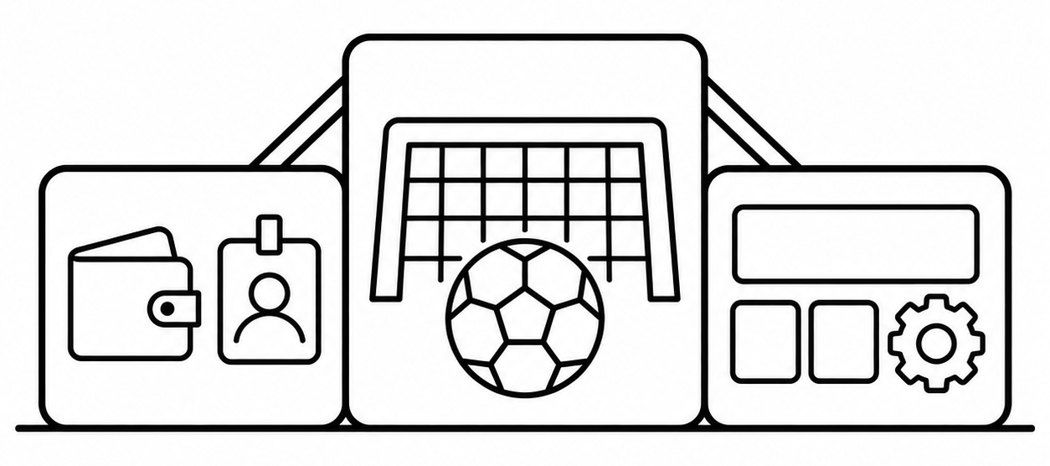
Shared PAM (player account management) and CMS (content management system) components fit the sportsbook into the operational and content structure of the Soft2Bet platform. For an operator, the sports product then sits alongside management tools already in place instead of in an environment of its own. How the components are used depends on the integration setup, and the point is to connect shared tools, not to build a second copy of them.
Soft2Bet’s PAM manages accounts and related operational processes at platform level, and the company’s sportsbook page lists automated KYC and AML workflows among its jobs. For the sportsbook, the gain is that it uses these shared tools instead of acting as an isolated system. Exactly how the PAM and the sports product interact depends on the platform configuration.
The CMS does something else. It manages content and settings across the shared environment, and for an integrated sportsbook it gives the sports section a place in the overall product structure. It takes over none of the sportsbook’s software functions and stays a separate supporting component.
Configurable sportsbook delivery without rebuilding the platform
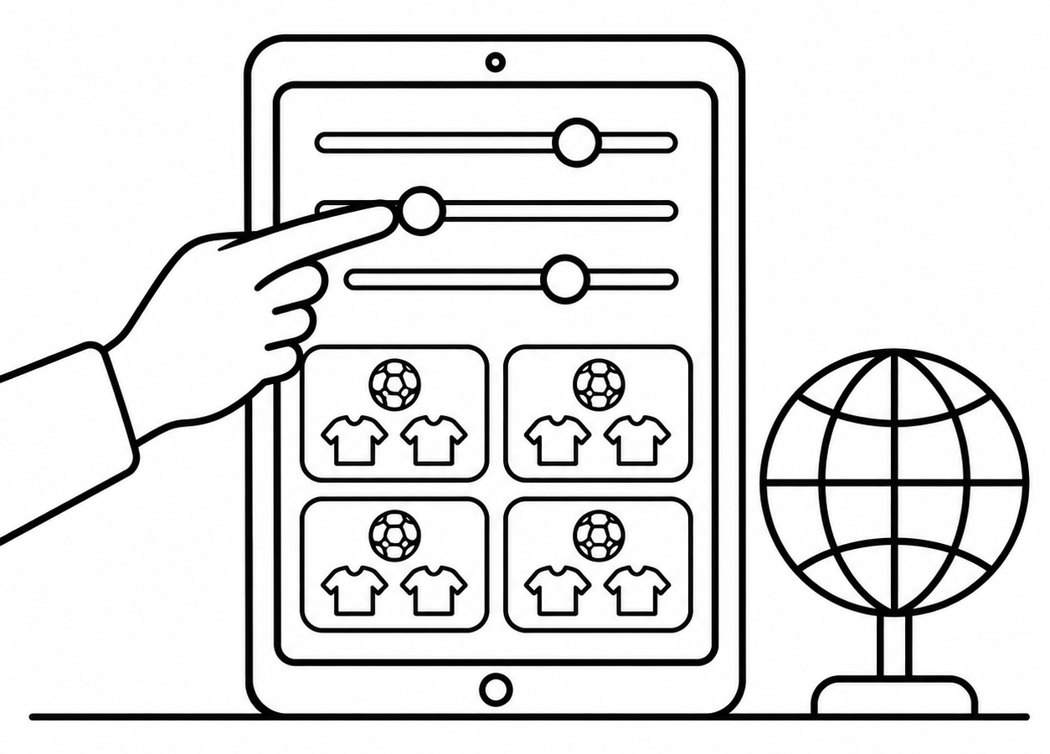
Configurability means fitting the sports product to an operator inside the existing Soft2Bet platform. The sportsbook is modular and built for flexible setup, and product-layer settings are handled apart from the core architecture, so selected sportsbook elements can change within the current platform structure.
Three areas an operator can configure
- Sports content. Choose the sports and events that matter most to your audience.
- Section layout. Decide where the sports section and its elements sit in the product. Soft2Bet says navigation, markets and layouts can be set per sport or region.
- Platform settings. Match the sportsbook setup to the components available on the wider B2B platform.
These settings change how the sportsbook is presented, not how it connects, so an operator can rework the sports section without reopening the integration.
Localization is a configuration option too. Sports content can be adapted to local needs and language settings, and Soft2Bet’s sportsbook page advertises more than 20 languages with multi-currency support. Here localization belongs to product setup. It is not a separate market-entry strategy.
Because the approach is modular, later adaptation can target individual elements of the product layer. What can change depends on the configuration and delivery model, so two operators won’t necessarily get the same set of settings.
Aligned product layers in sportsbook integration

Integrating a sportsbook into a B2B iGaming platform takes more than plugging it in. It also has to line up with the other software components. Run as an isolated system, the sports product needs its own integration links to everything around it. In Soft2Bet’s model, the integrated sportsbook sits inside a wider operational structure where sports functions are tied to shared platform capabilities.
Those links matter for ongoing support as well. When an operator uses several connected components, a change to one should be weighed against the others. It helps to define both the initial configuration and how later changes are coordinated between systems.
After launch, attention moves from the first connection to managing change: coordinating update requests, settling who owns what among the integration partners, and agreeing how support questions are handled. Soft2Bet presents this way of working as part of its sportsbook model, since the integration links stay relevant as the product develops. For an operator, the useful thing is knowing which components take part and how their interaction is maintained once the sportsbook is live.
Questions to settle before launch
- Scope. Which components does the integration touch: PAM, CMS, payments, or tools you already run?
- Change requests. Who asks for changes to each component, and who approves them?
- Testing. How is an update to one layer checked against the others before it goes live?
- Support. Who answers support questions, and through which channel?
- Ownership. Who maintains the sportsbook technology itself, given that a partner powers it?
Soft2Bet sportsbook integration FAQs
What is Soft2Bet sportsbook integration?
It is how Soft2Bet adds its sportsbook to its B2B iGaming platform. The sportsbook stays a separate product layer and connects to shared components such as PAM and CMS, either as a turnkey package or through an API.
What is the difference between turnkey and API integration?
A turnkey setup delivers the sportsbook together with Soft2Bet’s platform components as one package. An API-driven setup connects the sportsbook to the components an operator chooses, including tools it already runs. Soft2Bet says the model on offer depends on jurisdiction.
What do PAM and CMS do in a sportsbook integration?
The PAM handles player accounts and related processes such as KYC and AML checks. The CMS manages content and settings, including where the sports section sits. Neither one replaces the sportsbook’s own functions.
Can operators customize and localize the Soft2Bet sportsbook?
Yes, within the chosen configuration. Operators can pick sports and events, arrange the sports section, align settings with the platform and adapt content and languages. Soft2Bet advertises more than 20 languages.
Does Soft2Bet build its sportsbook in-house?
Its sportsbook page says the offering is currently powered by a strategic partner, which it does not name. Operators who need that detail should ask Soft2Bet directly.
Sportsbook integration as a capability of the Soft2Bet B2B platform
✅ What to remember
- Separate layerThe sportsbook keeps its own role; PAM and CMS support it.
- Two routesTurnkey or API, depending on jurisdiction and the operator’s needs.
- ConfigurableSports, layout, platform settings and languages, within the chosen setup.
- After launchAgree early how changes are coordinated across connected components.
Soft2Bet’s model treats sportsbook integration as an architectural capability first: the API (or a turnkey package) does the connecting, PAM and CMS do the work around it, and the chosen configuration sets how they interact. The operator picks the delivery format that suits the project and its existing technology. Localization and scaling remain separate areas of the Soft2Bet platform. Before signing, the two things worth pinning down are which of your current tools the integration will touch and who maintains the partner-powered sportsbook underneath.