In This Article
Follow BestForAndroid


💡 Five habits, in order of payoff
- Write it downA one page communication plan: which channel for what, expected response times, which meetings are optional.
- Measure outputTrack tickets closed, review latency and deploy frequency. Hours logged tells you almost nothing about a developer working in a different time zone.
- Cut the meetingsKeep one weekly team call and a 15 minute daily check in. Everything else goes in writing.
- Schedule the feedbackPut it in the calendar. Feedback that waits for a problem only ever arrives as bad news.
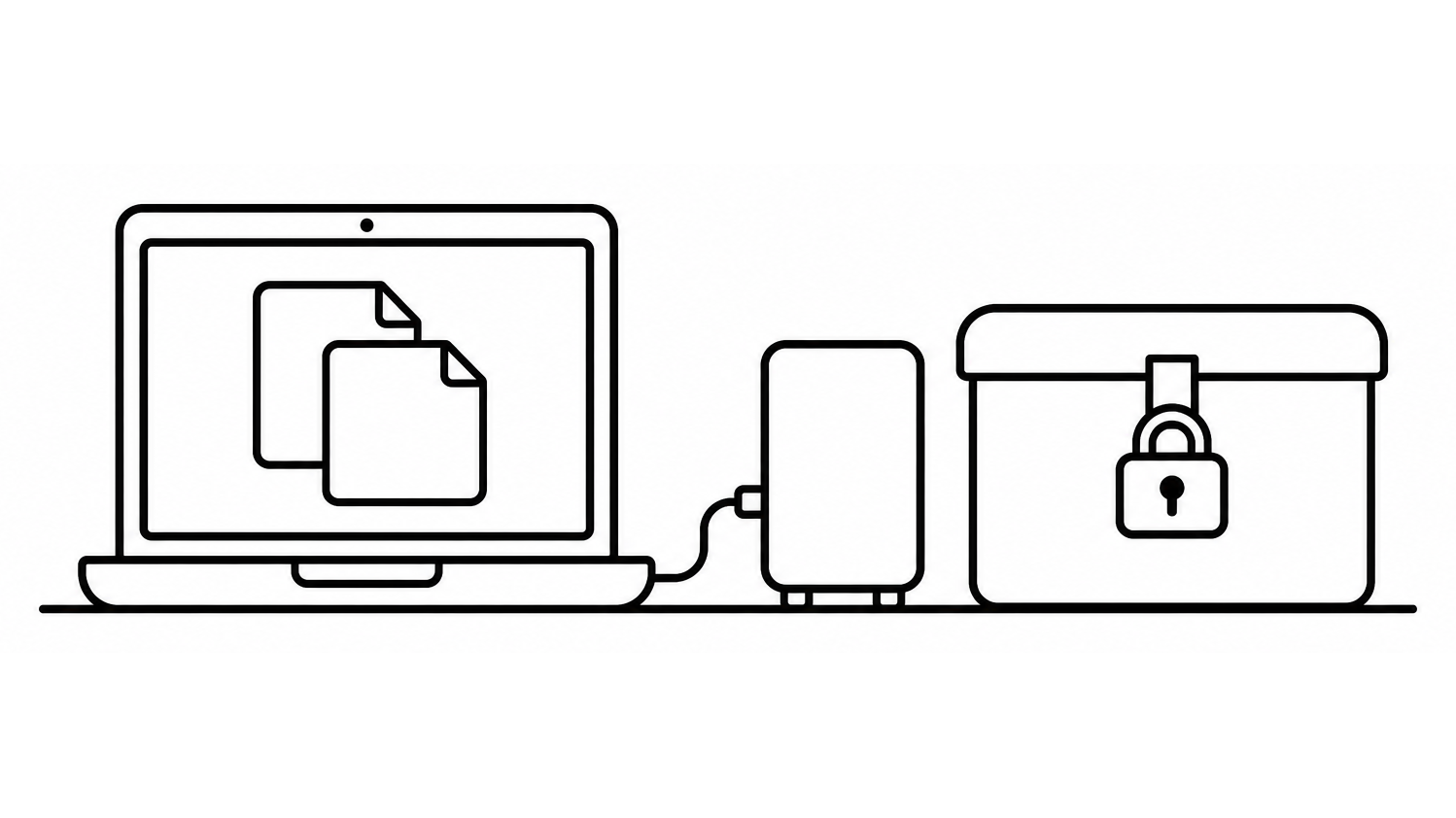
- Secure the setupHome networks and personal devices are now part of your attack surface. Decide the rules before the first incident.
Distributed software teams stopped being an experiment some time ago. A widely quoted Upwork projection put 36.2 million Americans in fully remote roles by the middle of the decade, close to a fifth of the workforce, and engineering was the function that moved first and hardest.
Managing one is a different skill from managing a team in a room, and most of the difficulty is not technical. You lose the ambient information: who looks stuck, who has gone quiet, which two people are quietly building the same thing. The habits below are the ones that replace that signal with something deliberate.
The failure mode to design against
- Silence reads as progress. A developer stuck for three days looks exactly like a developer in flow until the sprint ends.
- Meetings expand to fill the trust gap. Managers who cannot see the work schedule more calls, which removes the hours the work needed.
- Written context decays fastest. Decisions made in a call nobody wrote up get relitigated a month later by whoever was on holiday.
Write the communication plan
Most remote teams have a communication plan; it just lives in people’s heads, and everyone’s copy is slightly different. Write it down instead, on one page, and put it where a new joiner trips over it in week one. It should name the channel for each kind of message, the response time each channel implies, and the small number of things that justify interrupting someone.
The part teams skip is the escalation path. When a build breaks at eight in the evening in one time zone and nobody is awake in the other, the plan has to say who gets woken and how. Decide that while everyone is calm. The same document should record who owns each service and who decides when two engineers disagree, because a distributed team cannot resolve that by turning round in a chair.
What the one page has to cover
- Channel per message type: chat for the quick thing, tickets for work, documents for decisions, calls for disagreement.
- Expected response time per channel: 4 hours for chat inside the overlap window, 24 hours for anything asynchronous, with an explicit “nothing here is urgent” default.
- Core overlap hours, listed in every time zone the team actually lives in, not just the head office one.
- Who to wake for a production incident, and the one channel where that happens.
- Where decisions get written down, and the rule that a decision not written down did not happen.
- Which meetings are optional, stated explicitly, so declining one is not a political act.
Monitoring without the resentment
Managers reach for an employee tracking tool when they cannot see the work, and the good ones do genuinely help: time against projects, where the week actually went, which parts of a process keep stalling. The trouble starts when the same tool is pointed at people rather than at work, because screenshot capture and keystroke counting buy you a number that does not correlate with shipped software and costs you the trust that does.
| Signal | What it actually tells you | Verdict |
|---|---|---|
| Hours logged | How long someone had an application open | Weak. Thinking time looks identical to idle time |
| Keystrokes and screenshots | That surveillance is switched on | Corrosive. Expect your strongest engineers to leave first |
| Tickets closed per sprint | Throughput, once you account for ticket size | Useful as a trend, meaningless as a target |
| Code review latency | Where work is queuing between people | Strong. Usually the real bottleneck |
| Deploy frequency and change failure rate | Whether the team can ship safely and often | Strongest. Measures the system, not the individual |
If you do deploy monitoring, say so in writing, say what it collects, and point it at aggregate patterns rather than individuals. Anything you would be uncomfortable showing an engineer in a one to one is something you should not be collecting. Transparency costs nothing here and it is the difference between a tool the team tolerates and a tool the team routes around.
Video calls, used sparingly

Video is the right tool for a narrow set of jobs: disagreement, ambiguity, anything with feelings attached, and the first conversation with someone you have never met. It is the wrong tool for status. A daily standup on camera costs six developers half an hour each plus the fifteen minutes on either side where nobody starts anything difficult, and it delivers information a written update delivers better.
Keep one weekly team call where the camera is on and the agenda is thin, and one short daily check in that anyone can skip by posting in writing. Record decisions from both. Teams spread across more than about five hours of time zone difference should treat every call as expensive and default to written updates, because the alternative is that somebody is always dialling in at an hour that damages their week.
Feedback on a schedule
Feedback in an office happens by accident, in the ten seconds after a demo or on the way to get coffee. Remotely, nothing happens by accident. If it is not in a calendar it does not occur, and the first structured conversation a developer has about their work ends up being the difficult one, which teaches everybody that a scheduled one to one is where bad news lives.
Make it routine, not exceptional
- Book a recurring thirty minutes per person and defend it. Cancelling a one to one is a louder message than holding one.
- Separate the streams: feedback on the work weekly, career conversations quarterly. Mixing them makes both worse.
- Be specific about behaviour and consequence, not about character. “The review sat for four days and blocked two people” is actionable; “you are slow” is not.
- Ask for feedback upward in the same meeting. A remote manager is the least observed person on the team.
Track work, not hours
A shared board that reflects reality is worth more than any amount of reporting. The rule that makes it work is unglamorous: nothing is in progress unless someone is working on it today, and anything blocked says who it is blocked on. A board where every card has been in progress for two weeks is decoration, and everyone reading it learns to ignore it.
| Tool | Best at | Where it strains |
|---|---|---|
| Jira | Structured sprints, reporting, large teams | Heavy for a team of five; configuration becomes a job |
| Linear | Fast issue tracking with strong defaults | Opinionated, so it fights unusual processes |
| Trello or a plain kanban board | Small teams, visible flow, nothing to learn | Falls apart past a few dozen live cards |
| GitHub Projects | Work that lives next to the code and the pull requests | Weak for anything that is not engineering |
| Notion or a shared wiki | Decisions, specs, the written record | Not a tracker; do not pretend otherwise |
Pick one and make it the single source of truth. Two half maintained trackers is worse than one bad one, because now the honest answer to “where is this” is “it depends who you ask”. Wire the board to the repository if you can, so state changes when code moves rather than when somebody remembers.
Where to start
The security side deserves a line, because distributed engineering quietly moves your perimeter into people’s homes. The NIST guide to enterprise telework security is the readable standard here, and the short version is that you should assume the home network is hostile, keep production access behind managed devices and multi factor authentication, and decide the rules before an incident forces you to improvise them.
If you only do one thing this week, write the communication plan. It is an afternoon of work, it removes the largest source of friction in remote work, and it makes every other habit on this list cheaper to adopt. Then cut one recurring meeting and see whether anybody misses it. Most of the time nobody does, and you have just handed the team back several hours a week.
✅ What to remember
- Replace ambient signalIn an office you see who is stuck. Remotely you have to build that signal on purpose.
- Write the plan downOne page: channels, response times, overlap hours, escalation, where decisions live.
- Monitor systems, not peopleReview latency and deploy frequency beat hours logged and screenshots, and cost you no trust.
- Meetings are expensiveOne weekly call, one optional check in, everything else in writing.
- Schedule feedback before you need itA recurring one to one that is never cancelled stops the format meaning bad news.