
In This Article
Follow BestForAndroid


Have you ever been stuck in a losing streak in a blackjack or mobile poker game and thought, “This has to be rigged”? It is indeed a familiar feeling, and it develops when you cannot see a physical deck of cards being shuffled in front of you. This is where it becomes natural for us to wonder if the digital deal is genuinely random.
The truth many are unable to understand is that a sophisticated, heavily scrutinized piece of tech is working behind the scenes to ensure every hand is completely random. That tech is the Random Number Generator, or RNG.
This technology is the silent and unbiased dealer that remains at the core of every digital card game on your Android device. In this blog post, we are going to pull back the curtain and see how it works to ensure mobile card games remain fair.
What Exactly is a Random Number Generator?

When it comes to the blackjack card game, the essence of the game lies in the randomness of the distributed cards. However, when you are at a traditional casino, this randomness comes from the dealer shuffling a deck of 52 cards.
In mobile devices and online blackjack games, the reliance is entirely on a Random Number Generator (RNG) instead. This tech is a high-speed digital dealer that can perform millions of shuffles in a second. The mechanism ensures that each distributed card is independent, random, and fairly distributed to each player, thereby replicating the excitement of playing at a physical casino table.
When it comes to RNGs and blackjack games, these high-end platforms do not rely on basic functionality; they use sophisticated algorithms built to withstand rigorous numerical testing.
The goal of this whole randomness and fair gaming system is to ensure that no one can predict the next card, neither the player nor the developer.
The implementation of RNGs in digital gameplay also makes it harder for players to use card counting strategies, giving advanced players an advantage when playing at physical tables. As an alternative, to succeed in online blackjack, the winning ratio depends entirely on probability management, decision-making, and a complete understanding of the game’s risks, where every hand feels like a fresh start.
Beyond the technical side, social media accounts about blackjack have become spaces where players connect, share strategies, and debate the role of randomness at both real and digital tables. These communities discuss everything from the fairness of RNGs to personal experiences at online casinos, shaping perceptions of the game in today’s digital age.
Whether in a glamorous Monte Carlo casino or through a mobile app, blackjack continues to thrive on one principle: the thrill of unpredictability combined with the challenge of making the right move at the right time.
The Two Flavors of Randomness: PRNG vs. TRNG
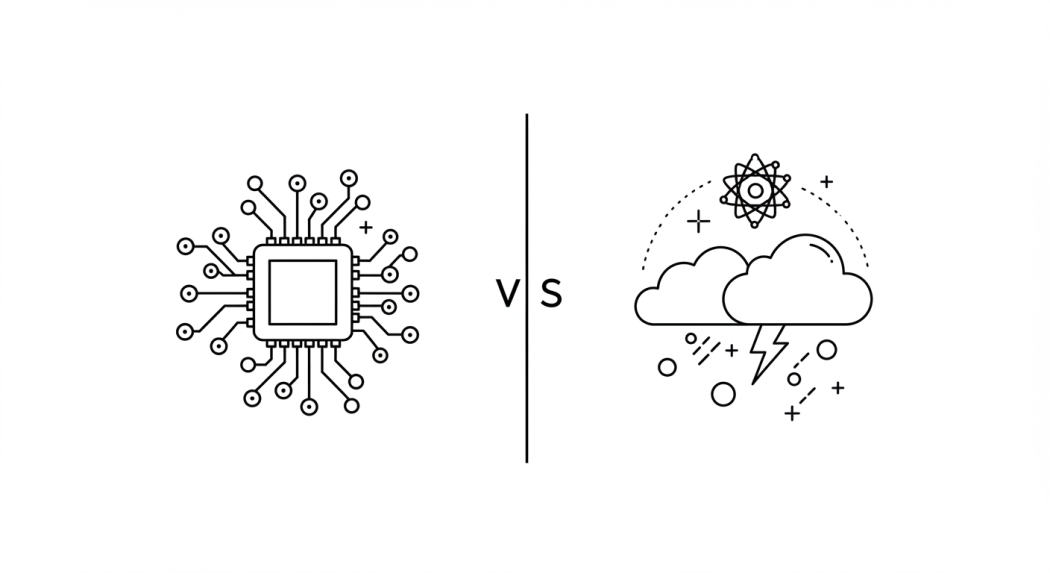
The term “Random Number Generator” is a broad label for two distinct methods of generating randomness. The one you encounter in your favorite mobile card game is almost certainly a PRNG, and for good reason.
Pseudorandom Number Generators (PRNGs)
This is the workhorse of the entire gaming industry. A PRNG starts with an initial value called a “seed.” It then feeds this seed into a complex algorithm to generate a long sequence of numbers that appear random.
While they are not truly random, because if you knew the seed and the algorithm, you could reproduce the same sequence, the algorithms are so complex and the seeds so unpredictable that the results are statistically indistinguishable from true randomness.
For plain, simple online mobile gaming, this level of randomness is usually more than adequate, as it helps ensure a fair and unpredictable experience.
True Random Number Generators (TRNGs)
Talking about TRNG, this system generates randomness from a physical source outside the computer. These systems are designed to use unpredictable, completely random real-world phenomena, such as radioactive decay, atmospheric noise, or even the timing of a user’s keystrokes, as sources of data. This whole system and the generator help create genuine, absolute randomness.
Although the entire random number generation system is fascinating, TRNGs are generally considered overkill for mobile gaming and are more commonly used in high-security applications such as data encryption.
So, how does this complex theory actually translate into the game of blackjack or poker you’re playing on your phone? To bridge the gap between the science of RNGs and the player’s real-world experience by showing how fairness and unpredictability define every hand dealt, that’s where platforms like blackjack insight step in.
How RNGs are Applied in Mobile Card Games

The application is both elegant and practical. When you start a new hand in a card game, the RNG gets to work. Imagine a standard 52-card deck. The system uses the RNG to generate a sequence of numbers that corresponds to a shuffled deck.
For instance, the algorithm might instantly produce a sequence that dictates the order of all 52 cards before the first one is even dealt. Each card drawn by you or the dealer comes directly from this randomly produced sequence. Furthermore, to ensure the game and setup are fair, the entire process is audited, which plays a significant role in player confidence.
This utmost level of trust in the underlying RNG system is precisely what helps players to remain focused on the strategic elements of casino games while remaining confident that chance and skill are the only factors at play. The RNG is designed in such a way to make sure the odds of drawing a specific card are the same as they would be with a perfectly shuffled deck when the player is playing physically.
Of course, this leads us to another point to ponder. A system designed to ensure fairness is only as good as its own integrity. This raises an important question: who checks the checkers?
Ensuring the RNG Itself is Fair

This is the point where independently vetted third-party auditors play their part. Trustworthy mobile game developers, especially those who have established their name in the online casino gaming, they voluntarily submit their RNG software directly to the specialized testing labs and organizations like eCOGRA (eCommerce Online Gaming Regulation and Assurance) or iTech Labs.
These organizations have their own teams of employees with expertise in mathematics who work as data scientists. They then run millions of simulations on the game’s RNG. They perform a series of arithmetic tests to detect any biases or predictability in the results.
They individually check whether the distribution of results, such as the frequency of certain cards appearing in the deck, matches the statistical probabilities of a real deck. If the software passes these demanding assessments, it receives a certification and guarantee, which developers often display in their app or on their website as a badge of honor and a guarantee of fair play.
Common Questions People Ask
- Can a game’s RNG be hacked or predicted?
For a certified and reputable mobile game, this is extremely unlikely. The algorithms are incredibly complex, and the initial “seed” values are often generated by unpredictable sources, such as the system’s millisecond clock. - Do free-to-play card games use the same quality RNGs as real-money apps?
Generally, yes. The reputation of the game developer is on the line. A free-to-play game that feels unfair or “rigged” will quickly lose its player base. - Does the RNG “know” I’m on a winning streak and make me lose?
No. This is a common cognitive bias known as the “gambler’s fallacy.” The RNG has no memory of past events. Each hand, shuffle, or deal is an autonomous, statistically random occurrence.


