
In This Article
Follow BestForAndroid


A few years ago, working from home seemed like something impossible. Today, more professionals are working remotely. At first glance, it seems like a dream job. After all, there’s no need to spend time and money on commuting, you can plan your day independently, and attend important meetings in your pyjamas. However, is everything as perfect as it seems? What lies behind the apparent freedom and comfort? Let’s figure it out.
Advantages of Remote Work

It must be admitted that if the disadvantages outweigh the advantages, people will not switch to working from home en masse and would prefer to work from the office instead. Therefore, remote work has its benefits. Here are just a few of them:
- Saving time and money:
- Firstly, you don’t have to spend money on public transportation or gasoline. Secondly, you can save on meals.
- Office lunches, snacks between meetings, and coffee; these things add up to a significant expense.
- Thirdly, there’s no need to spend money on what we refer to as “office wardrobe.” There’s no need to buy expensive suits, dresses, shoes, or anything else for work. A comfortable outfit at home is your new office style.
- Flexible schedule:
- Working from home allows you to plan your workday independently and work at a comfortable pace. If you’re a morning person, you can achieve all your tasks before lunch. If you’re not a fan of early mornings, you can confidently start working in the afternoon or at night.
- Another advantage is the ability to combine work with personal matters. Need to visit the doctor, go to the post office, or pick up your child from daycare? No problem! Just plan your day wisely and manage to complete all tasks on time. At the same time, you won’t need to constantly ask for permission from your boss or take time off.
- Personalised workspace: When setting up your own mini-office at home, you have the advantage of arranging it exactly the way you like. Want an ergonomic chair? No problem! Prefer working on the couch wrapped in a blanket? No one will judge you. Additionally, you can decide on the type of atmosphere you work best in, such as listening to music or podcasts in the background or completing tasks in complete silence.
Another advantage is the freedom from being tied to a specific location. Essentially, you can perform your work from anywhere in the world. You can collaborate with companies that are in another city, country, or continent. This freedom opens up incredible growth opportunities, personal and professional. You can work while travelling, explore new cultures, and remain a productive employee.
Why Remote Work Is Not Just About Comfort?
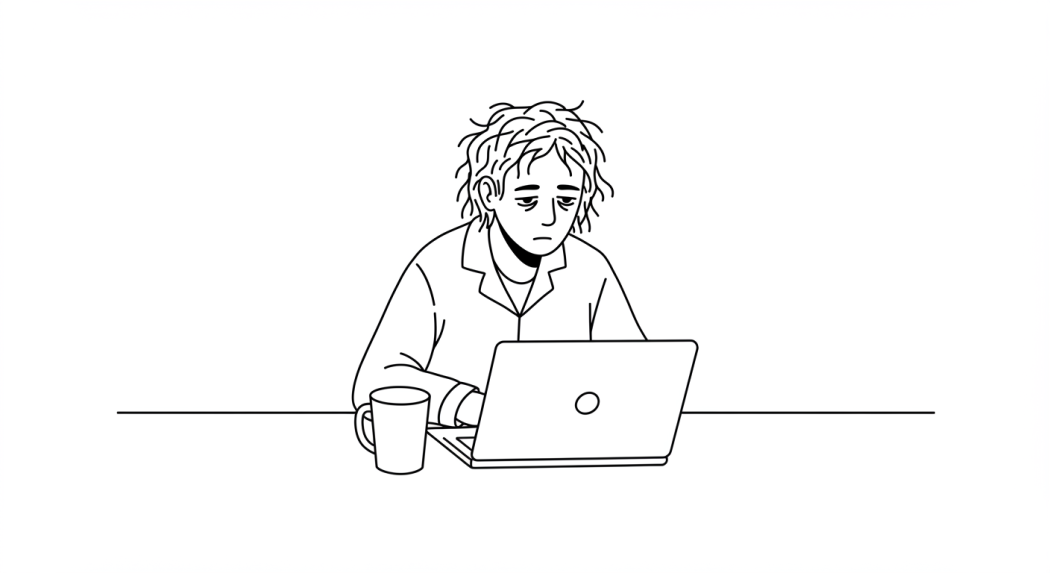
Remote work has some less obvious disadvantages. One of them is a drop in self-esteem. When we replace the office cubicle with the familiar walls of home, and a dress with pyjamas, a seemingly subtle but quite significant transformation in self-perception takes place.
When we no longer need to look presentable every day, we relax and stop taking care of ourselves. In the mirror, we increasingly see our “home” version: messy hair, tired face, and a wardrobe that hasn’t changed for weeks. How can we solve this problem?
- Always start your morning with self-care.
- Make time for makeup or hair styling, even when you’re at home.
- Periodically schedule video calls to motivate yourself to look neat and presentable.
In addition, many remote workers struggle with discipline. At home, it’s hard to resist the temptation to scroll through social media, take a nap, or watch a TV series. The lack of clear boundaries between work and rest leads to a feeling that the workday never really starts or ends. As a result, it seems like they are working all the time, which increases the risk of professional burnout. To avoid this:
- Establish a strict work schedule.
- Use time-tracking applications.
- Always make a plan for the next day.
- Reward yourself for completed tasks.
- Don’t forget to get a good rest.
Another problem of remote work is the lack of interaction with other people. When we are at home all the time, we start to feel uncomfortable outside of it, and we experience anxiety when we need to communicate with people in person. In addition, many remote workers feel lonely because they don’t have lunch breaks to chat with colleagues, company events to have fun before holidays, and so on.
Solving Problems with Socialisation

Fortunately, there are many ways to meet and communicate with people without leaving your home. For example, you can use social networks, particularly LinkedIn. It is a professional social network where you can find people in your niche and participate in various discussions. In addition, Telegram channels are great for communicating with colleagues. You can exchange experiences, get the information you need quickly, and chat about a wide range of topics.
Another way to stay socially active is through random cam chats. Unlike dating apps, communication happens in real-time. You don’t have to wait long for a response; live camchat instantly connects you with your chat partner, and you can see and hear them just like in real life.
CooMeet is a random cam chat which offers a fundamental approach to online communication. It is a webcam chat system that connects users only with the opposite gender. At the same time, you can be confident that there is a real person on the other side of the screen because CooMeet requires registration and verification of user data. Therefore, if you don’t have enough time to meet people in real life, try this cam-to-cam chat. The chance of meeting an interesting person or the love of your life is very high.
Finally, there are a few more tips to help you maximise the benefits of remote work. Don’t be afraid to change your environment; occasionally work from coworking spaces or public places like cafés. This way, you won’t feel confined within the four walls of your house, meet new people, enjoy positive experiences, and find inspiration. Also, try to make time to meet with other remote workers. These people can relate to your challenges, hence, enabling you to always have something to talk about.
Don’t forget to take care of your emotional well-being:
- have regular breaks,
- do sports, 10 minutes of exercise is okay,
- make out time for hobbies,
- communicate with loved ones.
Also, if you tend to procrastinate, we recommend that you read about the Pomodoro Technique and start applying it. We are confident that you will be able to work more efficiently.
Always remember, remote work is about professional tasks, taking care of yourself, and your psychological well-being. When you learn to balance freedom and discipline, you will maximize the benefits of remote work.
Protecting Your Mental Health at Home
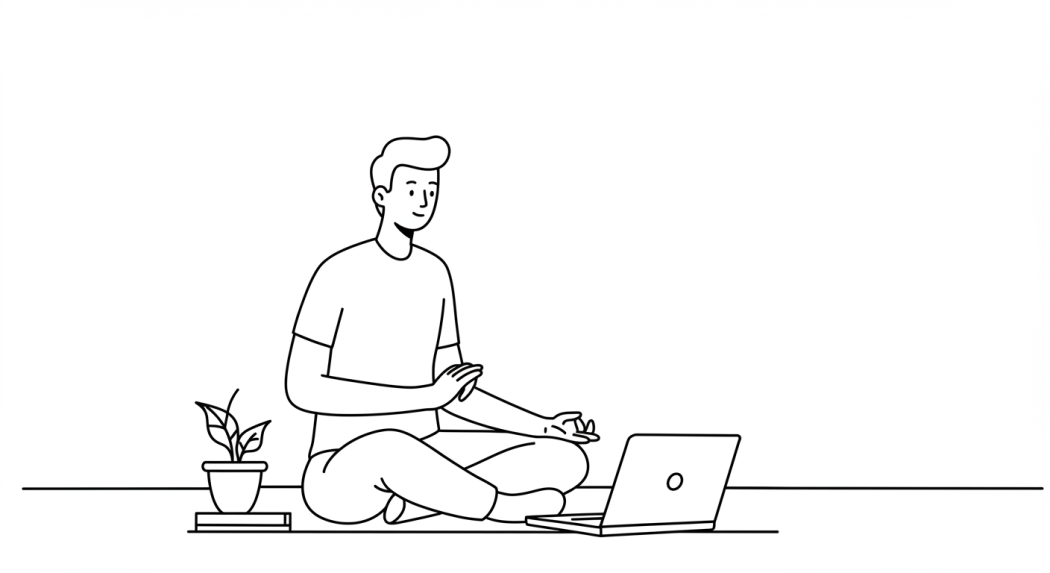
Remote work doesn’t have to harm your well-being. With the right habits, you can enjoy flexibility while keeping your mind and body balanced.
- Set Clear Work Hours: Define start and end times for your day to separate work from personal life.
- Create a Dedicated Workspace: Even a small desk or corner helps signal when you’re “at work” and when you’re done.
- Schedule Screen Breaks: Use techniques like the 20-20-20 rule: every 20 minutes, look 20 feet away for 20 seconds.
- Stay Social Offline: Plan coffee meetups, family time, or walks with friends to avoid feeling isolated.
- Practice Daily Movement: Short workouts, stretching, or walks boost energy and reduce stress levels.
- Prioritize Sleep: Stick to a consistent bedtime routine to improve rest and mental clarity.
Concluding Notes

Remote work offers freedom and flexibility, but it also comes with hidden challenges that affect mental health and productivity. Remote workers can reduce these risks by building discipline, staying socially connected, and practicing self-care. Finding the right balance ensures a healthier and more fulfilling work-from-home experience.


