In This Article
Follow BestForAndroid


🔰 TL;DR
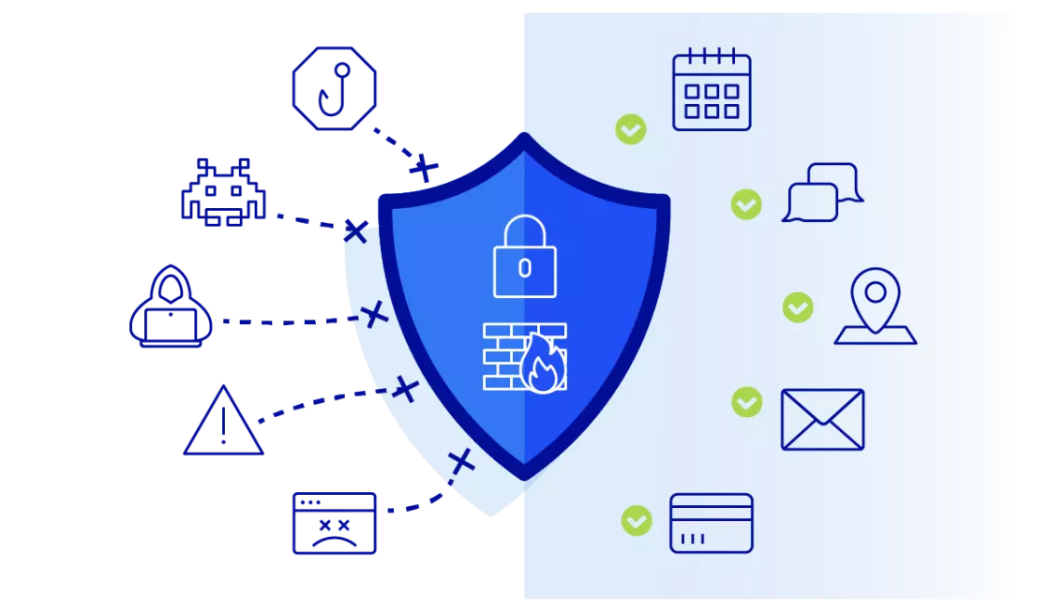
Semgrep is a solid SAST tool, but it doesn’t cover SCA, DAST, IaC, containers, or cloud posture. Enterprise teams typically move on when they need broader coverage or when compliance reporting becomes a hard requirement.
➤ Five platforms fill those gaps differently: Aikido (broad coverage, low cost), Snyk (developer UX), Checkmarx (regulated enterprises), Veracode (compliance depth), and GitHub Advanced Security (GitHub-native teams).
☀︎ Each solves a different part of the problem, and the right choice depends heavily on team size, compliance requirements, and whether developer experience or governance takes priority.
Static analysis tools, or SAST (Static Application Security Testing) tools, have become standard equipment in modern software security. Companies, including large and small, use them to find vulnerabilities before the code reaches production. Semgrep earned its spot in many toolchains by making custom rules accessible and scanning reasonably fast. It works. However, when it comes to the enterprise engineering teams, “works” often isn’t enough.
Let’s look into the reality. Enterprise projects need more than just static analysis. They need tools that understand their entire software supply chain, including dependencies, containers, cloud configurations, and CI/CD pipelines, all at once.
Teams majorly start hunting for Semgrep alternatives when they realize vulnerability scanning needs to be integrated with everything else, including the existing development they’re already running.
What Semgrep Doesn’t Cover (And Why That Matters at Scale)
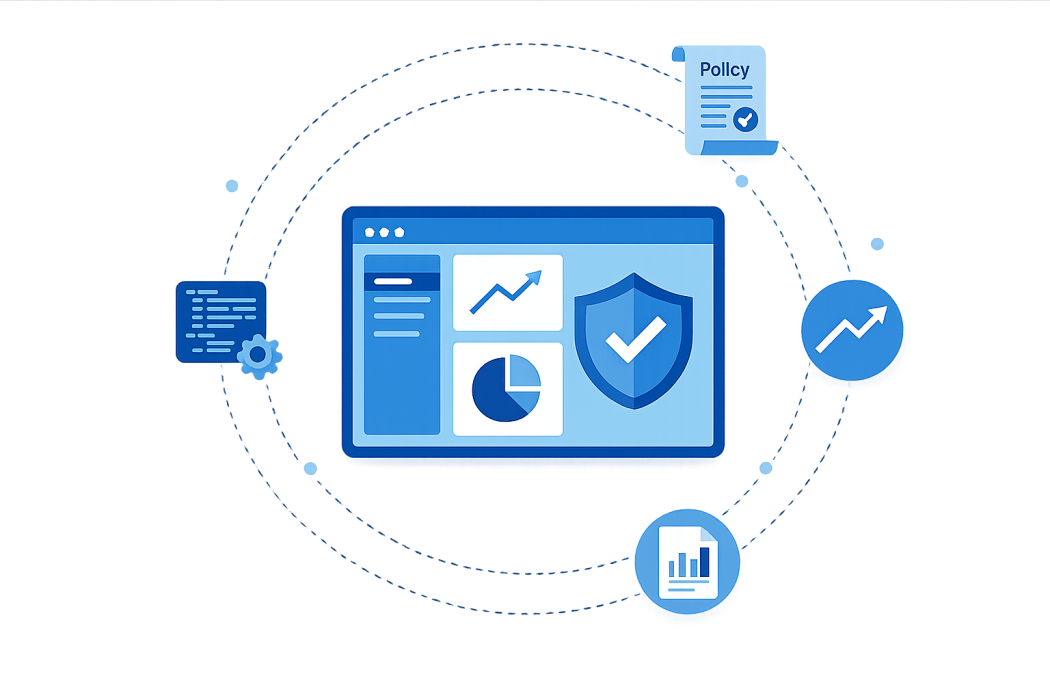
Semgrep is a genuinely good SAST tool, and it is fast, fully customizable, and lightweight too. The issue isn’t what it does, it’s what it doesn’t do, which is what pushes teams to look beyond this tool.
Semgrep covers static analysis and secrets detection. However, it doesn’t cover software composition analysis (SCA), dynamic application security testing (DAST), container scanning, infrastructure-as-code security, or cloud posture management.
For small teams or those primarily concerned with code quality, that scope sounds fine. But when it comes to enterprise security programs, it leaves most of the attack surface uncovered.
There’s also a relevant context shift that happened back in 2025. After Semgrep moved critical scanning features behind its commercial license, more than ten security companies, which include Aikido, Orca Security, and Endor Labs, collectively launched Opengrep, a fully open-source fork of the same tool.
This move signals that the community has real concerns about the direction of Semgrep’s commercial model, which is worth factoring into long-term toolchain decisions.
What we have seen from time to time is that companies evaluate other tools specifically because they need capabilities that go beyond what Semgrep was designed to handle. For instance, something beyond the need for static analysis.
- SCA: dependency vulnerability scanning for open-source components
- DAST: dynamic testing of running applications, not just source code
- Container and IaC Security: scanning images and cloud configuration templates
- CSPM: cloud security posture management across AWS, GCP, Azure
- Compliance Reporting: audit trails and regulatory framework mappings for PCI DSS, HIPAA, FedRAMP, SOC 2
- CI/CE Integration: Integration with existing CI/CD pipelines and automation;
These requirements push organizations toward broader AppSec platforms. Static analysis becomes one feature among many rather than the whole solution.
Side-by-Side: Coverage, Pricing, and Trade-Offs
| Tool | Coverage | Pricing | Best For | Key Trade-Off |
|---|---|---|---|---|
| Aikido | SAST, SCA, IaC, DAST, CSPM, containers | $350-700/mo (10 users) | SMBs, growth-stage | Broad coverage, low cost; less depth per scanner; not designed for a large enterprise |
| Snyk | SCA, containers, IaC, SAST (Code) | Per-developer; expensive at scale | DevOps teams, mid-large orgs | Best developer UX; pricing scales poorly; acquired modules feel fragmented |
| Checkmarx | SAST, SCA, DAST, IaC, API & secrets | Custom enterprise pricing | Regulated enterprises | Strong governance; slow scans; high false positives; poor developer experience |
| Veracode | SAST, DAST, SCA, Binary analysis | Custom enterprise pricing | Compliance-driven enterprises | Deep compliance reporting; cloud-delivered; feedback loops slower than modern tools |
| GitHub AS | SAST, SCA, Secrets detection | Included with GitHub Enterprise | GitHub-native teams | Native GitHub integration; not standalone; limited outside the GitHub ecosystem |
1. Aikido

Aikido is an all-in-one AppSec platform that bundles SAST, SCA, DAST, IaC scanning, container security, secrets detection, and cloud posture management into a single product. It is a modern application security platform built for teams that want security checks embedded directly in how they develop software.
No separate portals, no context switching, no waiting for security teams to run scans and report back weeks later. The platform combines multiple security check types into one environment that developers actually want to use.
The developer-first approach distinguishes Aikido from older security tools. Instead of relying solely on static analysis, the platform pulls together code scanning, dependency monitoring, and infrastructure checks into a unified view. It integrates with CI/CD processes so security becomes part of the pipeline rather than a gate at the end. This approach reduces friction between security and engineering teams significantly.
The platform includes several capabilities that make it a viable Semgrep alternative. Teams get visibility across multiple dimensions of application security without juggling half a dozen tools:
- Static code vulnerability scanning across multiple languages
- Dependency security monitoring for open-source components
- Infrastructure and configuration checks for cloud environments
- CI/CD pipeline security integration at key automation points
- Centralized security reporting with actionable remediation guidance
This approach gives teams broader control over software security. Moreover, consolidation matters because teams using multiple point tools often miss vulnerabilities that fall between them.
2. Snyk
Snyk started as a dependency scanner and built outward from there. SCA, container security, IaC, and a SAST product (Snyk Code) were added over time and later expanded into containers, infrastructure as code, and code analysis. It integrates with pull requests, IDE extensions, and CLI tools, which means developers see findings in the workflow rather than in a separate security portal.
It has become one of the most widely adopted security platforms among developer teams. The platform integrates with virtually every DevOps tool and CI/CD environment you’re likely using.
What makes Snyk popular isn’t just the scanning capabilities. It’s how the platform surfaces findings. Security doesn’t require leaving the development environment. This workflow integration explains Snyk’s adoption in large DevOps organizations.
The platform offers several core capabilities that teams evaluate when considering Semgrep alternatives:
- Open-source dependency scanning with remediation advice
- Container security analysis for images and registries
- Infrastructure security checks for cloud configurations
- Integration with developer workflows across the SDLC
These capabilities make Snyk a strong contender for teams wanting security embedded in existing processes rather than layered on top.
3. Checkmarx

Checkmarx has been in enterprise application security since 2006. The Checkmarx One platform covers SAST, SCA, DAST, IaC security, API security, secrets detection, container scanning, and AI security.
Checkmarx has long occupied enterprise security budgets. They focus on application security testing at scale, with tools designed for organizations that need to prove compliance as much as find vulnerabilities. The platform handles large codebases across multiple languages and integrates with the governance workflows that enterprise security teams require.
Large organizations often select Checkmarx because it provides the reporting and audit trails their compliance functions demand. The platform maps findings to regulatory requirements and industry standards, which matters when external auditors come calling.
What we have seen from time to time is that Fortune 500 companies and government organizations frequently standardize on Checkmarx specifically for these governance capabilities and make up a significant portion of the customer base.
The platform integrates with enterprise DevOps toolchains (including Jenkins, GitHub, GitLab, Jira) and includes Codebashing, which is an integrated secure coding training module for developers.
The platform offers several tools for code security analysis that enterprise teams consider:
- Static application security testing across development pipelines
- Secure code analysis supporting multiple programming languages
- Integration with enterprise DevOps and CI/CD toolchains
- Application risk reporting for compliance and audit purposes
These functions make the platform popular in large companies where security findings need to trigger formal remediation workflows.
4. Veracode
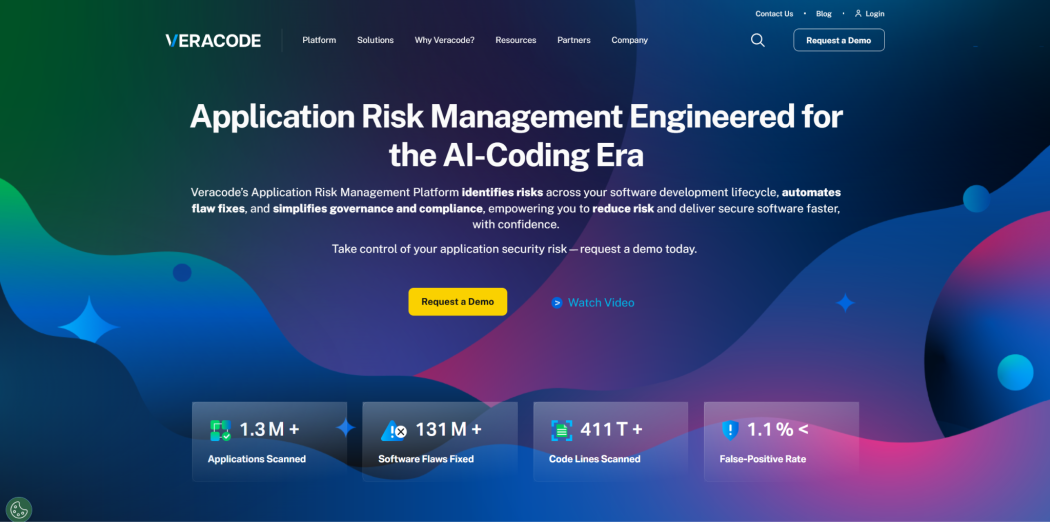
Veracode is a cloud-delivered application security platform covering SAST, DAST, SCA, binary scanning, and IaC security. The binary scanning capability is notable as it lets security teams test applications without source code access, which matters for third-party software assessments. Veracode Fix uses AI to generate remediation suggestions, and the platform includes SBOM generation and package firewall capabilities.
Veracode has been in the market long enough that many enterprise security teams have grown up using their tools. The platform handles static analysis, dynamic testing, and software composition analysis through a unified interface.
What distinguishes Veracode is how they’ve built out their analysis capabilities over time. Instead of acquiring point tools and stitching them together, they’ve developed integrated approaches to different testing types. This matters when findings from different scans need correlation, especially when determining whether a library vulnerability is actually reachable through application code.
The platform includes several security check types that teams evaluate against Semgrep.
- Static application security testing for custom code
- Dynamic application security testing for running applications
- Software composition analysis for dependency management
- Centralized security dashboards showing risk across portfolios
These tools help security teams manage application risk at scale. The cloud delivery model means no infrastructure to maintain.
5. GitHub Advanced Security

GitHub Advanced Security (GHAS) brings SAST, SCA, and secrets detection directly into the GitHub platform for teams running GitHub Enterprise. CodeQL, the SAST engine, runs as part of the pull request workflow and flags issues before code merges. Secret scanning monitors repositories for exposed credentials and can block pushes containing known secret patterns.
The State of Code Security Report 2025 found that 61% of organizations have secrets exposed in public repositories and 80% of GitHub workflows have insecure permissions, two problems GHAS addresses natively within the platform that developers are already using. Pricing is included with GitHub Enterprise rather than a separate line item.
- Security checks run as part of the existing GitHub PR workflow, no separate portal, no additional authentication
- Deep SAST analysis with support for custom queries, similar to Semgrep’s rule system
- Automated scanning across repositories with push protection to block credential exposure
Decision Framework: Matching the Tool to Your Actual Constraints
The selection of the right tool depends on three things. Your compliance requirements, your team’s development platform, and whether security or developer experience takes priority in your organization.
Let’s look into this further based on the conditions:
- Developer adoption and early-stage detection matter most: Snyk for SCA-heavy environments; Semgrep + Snyk if you want to keep Semgrep for SAST and add dependency coverage.
- Compliance is non-negotiable (PCI DSS, HIPAA, FedRAMP, SOC 2): Checkmarx or Veracode. Developer-first tools are adding compliance features, but are not yet at parity.
- You want broad coverage without managing multiple vendors, and compliance depth isn’t critical: Aikido, as it is budget-friendly, fast to deploy, and has genuine breadth.
- Your team runs on GitHub Enterprise: GitHub Advanced Security is the lowest-friction starting point. Add a dedicated DAST or CSPM tool as coverage gaps become apparent.
- You need to replace Semgrep specifically for SAST: The honest answer is that you probably don’t need to. Semgrep remains one of the strongest SAST tools available. The question is usually what to add alongside it, not what to replace it with.
Bottom Line
Semgrep serves a specific purpose well. Teams needing custom static analysis rules and fast scanning should keep using it. But enterprise application security requires broader visibility than static analysis alone provides. Dependency chains, container configurations, cloud infrastructure, and CI/CD pipelines all introduce risk that code scanning misses.
Platforms like Aikido, Snyk, Checkmarx, Veracode, and GitHub Advanced Security take different approaches to that broader problem. Some focus on developer experience while others emphasize governance and compliance.
Your job involves matching the platform to your team’s actual constraints and requirements. Make that match suitably, and security becomes part of how you build software rather than something you do after the fact.


