
In This Article
Follow BestForAndroid


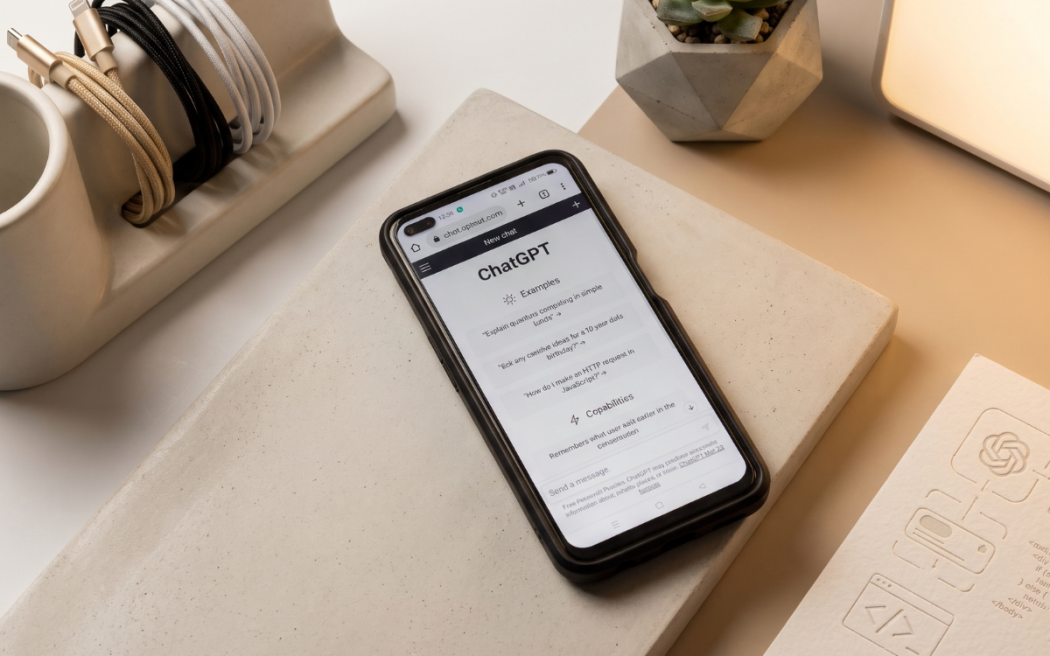
OpenAI reports 1.2 billion weekly users and a search footprint that has Google’s rivals rethinking the race. Fast growth, in-chat ads, and a thin trickle of web traffic show how search habits are changing.
- ChatGPT grew from 1 billion to 1.2 billion weekly active users in about 60 days
- OpenAI says its search-like queries equal roughly 20% of Google’s volume
- Voice features now reach 250 million weekly users
- Google still drives about 24.74% of web traffic, while ChatGPT drives 0.36%
OpenAI says ChatGPT now handles roughly one-fifth of the search-like queries Google does, after growing from 1 billion to 1.2 billion weekly users in two months. Consumer product lead Adam Fry shared the figures at an OpenAI event in New York on Monday. He said people increasingly use the chatbot for live web questions, not just writing and coding help.
How OpenAI counts a search
The headline number depends on a generous definition. Fry told interviewer Alex Kantrowitz that a search happens whenever a question sends ChatGPT out to the web. A 20-message conversation could therefore count several times, or not at all.
OpenAI also did not say where it got Google’s volume figure. That makes the comparison a useful signal, but not a like-for-like measurement.
Fry said users have moved beyond early favorites like writing and coding. They now ask about people, places, finance and health, topics where fresh, factual answers matter.
A rival unlike any before it
Google’s old challenger never came close. Microsoft CEO Satya Nadella said during Google’s 2023 antitrust trial that “Bing has a tiny market share–at about 3 percent” after more than a decade of effort. ChatGPT launched its search feature roughly two years ago and is already being compared with Bing’s entire business.
SEO analyst Glenn Gabe reacted with a pointed question, asking whether ChatGPT is now bigger than Bing.
Google has felt the pressure. The company recently admitted that its push into AI search brings lower monetization, a sign that answering questions directly can be harder to profit from than serving ten blue links.
Big usage, small referrals
For publishers, the more important number may be traffic. Ahrefs data cited by Search Engine Journal shows Google still sends about 24.74% of overall web traffic, while ChatGPT sends only 0.36%.
The reason is simple. ChatGPT often answers on screen instead of sending readers to the source. That keeps users inside the app, and it leaves websites that supply the facts with fewer visits.
OpenAI is also preparing to test sponsored product images inside responses. Fry said most people do not seem to mind ads and suggested the company could do more. Plans for ChatGPT to show images and interactive charts hint at a future where the chatbot works as a visual shopping and research hub.
What’s next?
If OpenAI’s numbers hold up, search is becoming a conversation instead of a list of links. The winners will be the companies that answer questions and make money doing it. The losers could be the publishers whose work trains and informs those answers while their traffic shrinks.
The real question for readers is simple. Would you still click a website if your chatbot already gave you the answer?


