
In This Article
Follow BestForAndroid


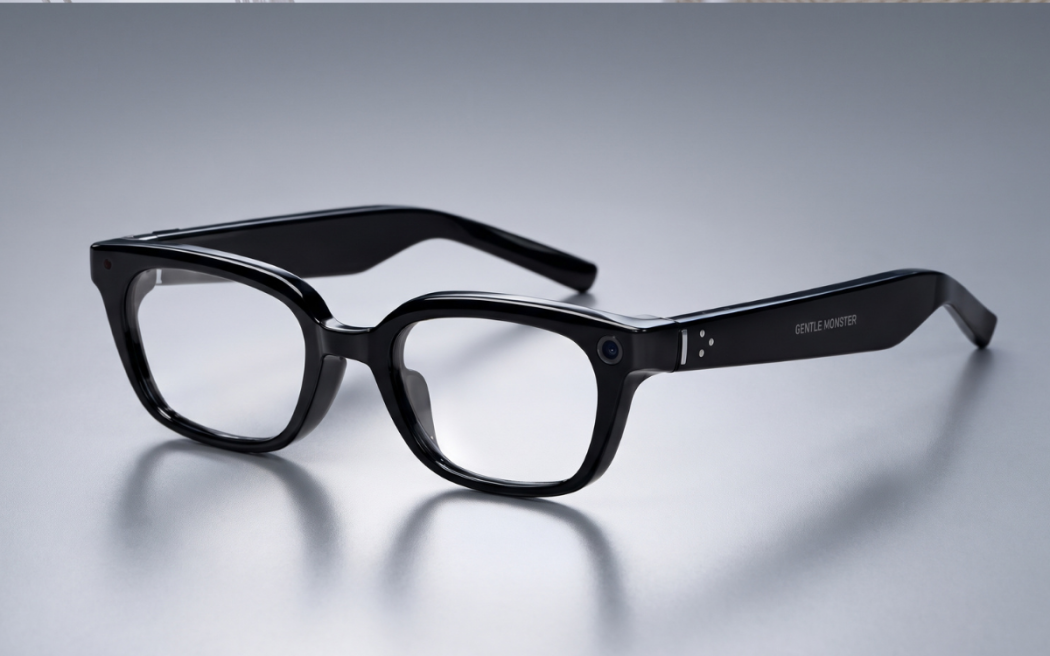
Powered by Google’s Gemini AI and designed with Gentle Monster and Warby Parker, Samsung Intelligent Eyewear arrives before Christmas with no price yet.
- Launch is set for mid-December in South Korea and the United States only
- Price is not confirmed, but Samsung calls it “premium range”
- Battery lasts up to 9 hours on a Snapdragon AR1 Gen 1 chip
- Samsung pitches the glasses as a phone companion, not a phone replacement
Samsung Electronics will launch its first AI smart glasses, called Intelligent Eyewear, in mid-December in South Korea and the United States, according to a Chosun Biz report. The price remains unconfirmed. Europe, Japan and China are missing from the first wave as Samsung challenges Meta’s early lead with Google’s Gemini AI and a phone-first design.
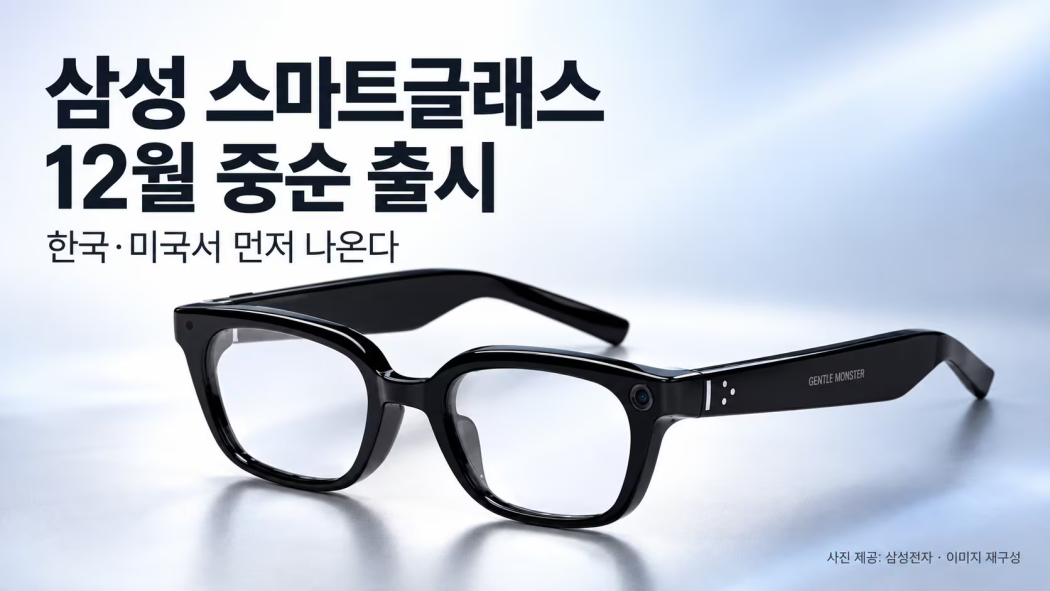
What Samsung is putting on your face
The glasses run on Google’s Android XR platform and use a camera and microphone to understand your surroundings. They deliver real-time translation and spoken guidance, so you don’t need to pull out your phone. They can also capture documents or meeting scenes and sort them into the Notes app on a Galaxy smartphone.
Samsung has shown four models so far, two at Google I/O in May and two at the Galaxy Unpacked event in London on October 22. Designs come from eyewear brands Gentle Monster and Warby Parker, which matters because people will only wear glasses that look like glasses.
Why only two countries
The Galaxy S26 series reached more than 120 countries in sequence. These glasses start in just two. An industry insider says Samsung wants to check early demand and user response before expanding.
This is a familiar playbook. Samsung did the same with its Galaxy XR headset, which debuted last October and only reached the United Kingdom in July. A small launch limits the risk if buyers shrug, and it lets engineers fix problems before millions of people notice them.
The Meta rivalry and the ghost of Google Glass
Meta has owned this category through its Ray-Ban partnership, with glasses at about $299 and its premium Oakley Meta Vanguard at $499. Samsung has promised only a “reasonable price” in the premium range, so expect it to land at or above those numbers.
The strategic difference is philosophy. Meta often calls its wearables part of a post-smartphone future. Samsung says its glasses extend the smartphone, much like a smartwatch does. That is a safer pitch, and Android’s tight integration with Gemini could make it a smoother one.
History is a warning, though. Google Glass arrived in 2013 at roughly $1,500 and faded amid privacy worries and awkward looks. Meta’s Ray-Ban glasses succeeded later by looking normal and costing less. Samsung must clear both hurdles.
What happens next
If Samsung prices these glasses sensibly and the translation feature works in daily life, December could mark the moment Android phones gain a real wearable partner. If not, Meta’s lead gets stronger. The bigger question is privacy, since cameras on your face make others uncomfortable.
Would you wear them, or would you ask your friend to take them off?


