
In This Article
Follow BestForAndroid


🔰 TL;DR
Mobile gaming on Android has never been better, but the right device depends on what you play and how seriously you play it. Dedicated gaming phones like the ASUS ROG Phone 9 and RedMagic 10 Pro offer hardware that no standard flagship matches, while the Samsung Galaxy S26 and Google Pixel 10 Pro hold their own space for most players. If budget matters, the Galaxy A56 covers casual gaming at a fraction of the cost.
Mobile gaming continues to grow at an impressive pace, and Android devices remain at the center of this expansion. With powerful processors, advanced displays, and improved cooling systems, the newest Android phones and tablets offer performance levels that rival some dedicated gaming hardware.
Adults who enjoy casual entertainment, themed mobile games, or even browsing promotional features such as free spins on regulated platforms benefit from the rapid evolution of Android technology. The latest devices are designed to deliver smooth, responsive gameplay across a wide range of genres.
Quick Decision Guide
Before getting into individual devices, here is the short version of how to choose:
- Serious mobile gamer, fast-paced titles: ASUS ROG Phone 9 or RedMagic 10 Pro
- One phone for gaming and everything else: Samsung Galaxy S26 or OnePlus 13
- Software quality and longevity over raw power: Google Pixel 10 Pro
- Casual gaming on a budget: Samsung Galaxy A56 or Google Pixel 9a
- Larger-screen gaming, strategy and RPGs: Samsung Galaxy Tab S10 Ultra
The deep-dives below cover each option in detail, followed by benchmark comparisons, game-specific performance, accessory support, and notes on cloud gaming and emulation.
| Device | Chipset | Display | Battery | Starting Price |
|---|---|---|---|---|
| Samsung Galaxy S26 | Snapdragon 8 Elite Gen 5 / Exynos 2600 | 6.3” 120Hz AMOLED | 4,300 mAh | $799 |
| Google Pixel 10 Pro | Google Tensor G5 | 6.3” 120Hz OLED | 4,870 mAh | $999 |
| OnePlus 13 | Snapdragon 8 Elite | 6.82” 120Hz AMOLED | 6,000 mAh | $899 |
| ASUS ROG Phone 9 | Snapdragon 8 Elite | 6.78″ 165Hz AMOLED | 5,800 mAh | $999 |
| RedMagic 10 Pro | Snapdragon 8 Elite | 6.85″ 144Hz AMOLED | 7,050 mAh | ~$649 |
| Samsung Galaxy Tab S10 Ultra | MediaTek Dimensity 9300+ | 14.6″ 120Hz AMOLED | 11,200 mAh | $1,199 |
| Samsung Galaxy A56 | Exynos 1580 | 6.7″ 120Hz AMOLED | 5,000 mAh | ~$450 |
| Google Pixel 9a | Google Tensor G4 | 6.3″ 120Hz OLED | 5,100 mAh | $499 |
Flagship Phones Leading the Way

Standard flagship phones have become genuinely capable gaming devices with cutting-edge gaming capabilities. They’re not built for gaming the way a ROG Phone is, but most games, including graphically intensive titles, run well on them, and they work for everything else too.
These devices combine high-end chipsets, fast refresh-rate screens, and optimized software to create a premium gaming experience.
Samsung Galaxy S26 Series

Samsung’s newest flagship lineup continues to push boundaries with its advanced processors and vibrant AMOLED displays. High refresh rates of 120Hz make animations smoother and gameplay more responsive. Adults who enjoy visually rich games appreciate the clarity and color accuracy these screens provide.
Galaxy S26 series was released in March 2026, starts at $799, and comes with either a Snapdragon 8 Elite Gen 5 (US) or Exynos 2600 (global), depending on region. The 6.3-inch Dynamic AMOLED display runs at 120Hz with up to 2,600 nits of brightness and HDR10+ support. Which is more than enough for sharp, fluid gameplay. Samsung ships it with One UI 8.5 on Android 16 and promises seven years of software updates.
For gaming specifically, ray tracing is supported on the S26 series, which shows up in titles that take advantage of it. Thermal management is better than previous generations, though the standard S26 tops out at 25W wired charging, slower than most competitors. The S26 Ultra (starting at $1,299) adds 60W charging and 16GB of RAM, which makes a practical difference during long free spins sessions.
- 6.3-inch 120Hz AMOLED, up to 2,600 nits, HDR10+
- Snapdragon 8 Elite Gen 5 (US) or Exynos 2600 (global)
- Ray tracing is supported across the S26 lineup
- Seven years of software updates; starts at $799
Google Pixel 10 Pro

The Pixel 10 Pro focuses on a clean and vanilla version of the Android OS, along with efficient performance. Its AI-enhanced processing helps maintain stability during long gaming sessions. Tensor chipsets are known for mediocre performance, while their bright display makes them ideal for adults who enjoy gaming on the go.
Google released the Pixel 10 Pro in August 2025 at $999, powered by the Tensor G5 chip. It’s not the obvious gaming pick. Tensor chipsets have historically prioritized AI tasks over raw GPU throughput, but the 6.3-inch Super Actua OLED display reaches 3,300 nits for crisp outdoor visibility and runs at a consistent 120Hz, which makes it comfortable for extended play. Battery life is solid at 4,870 mAh.
The bigger attraction here is software. Pixels run close to stock Android with minimal bloat, get security updates faster than any other Android OEM, and are guaranteed seven years of OS upgrades. If you play games that rely on Google Play Integrity or need a clean, stable environment, the Pixel 10 Pro has the edge over more spec-heavy alternatives.
- Google Tensor G5 chip with 16GB RAM
- 6.3-inch Super Actua OLED display with 3,300 nits peak brightness
- Best-in-class software support and update speed
- 45W USB-C power brick, sold separately
OnePlus 13
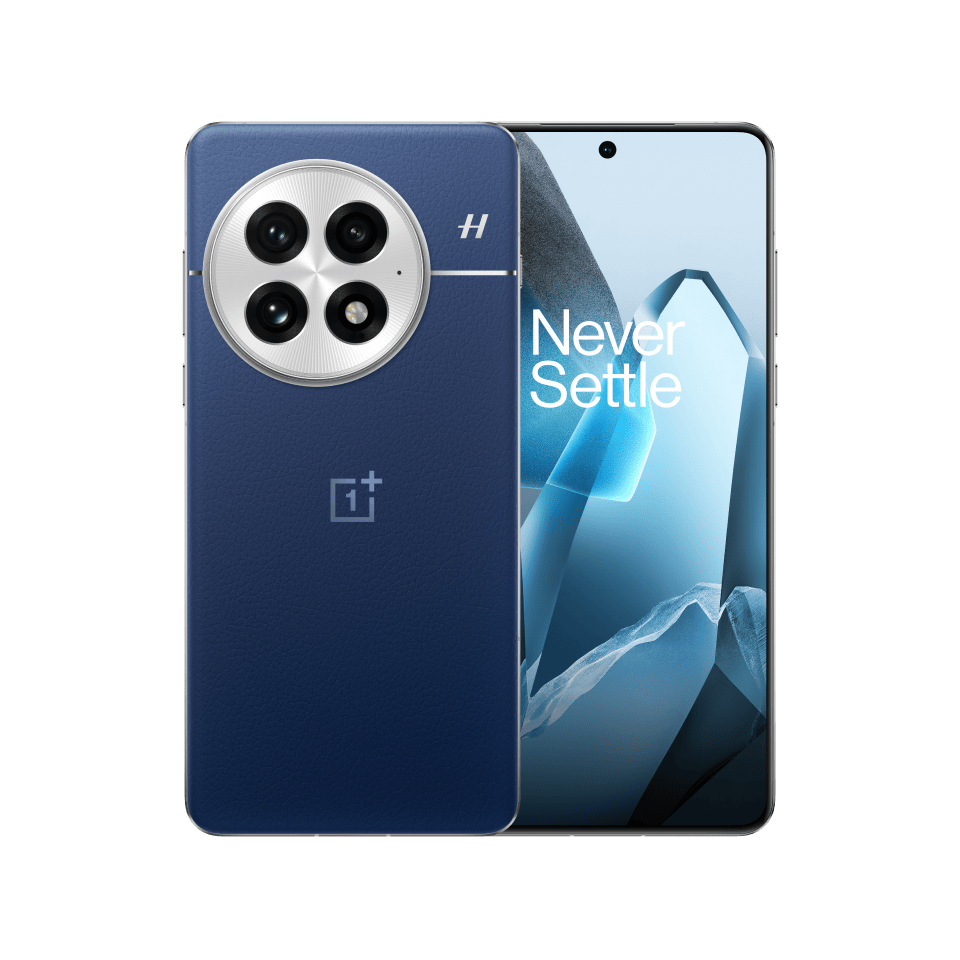
Known for speed and smoothness, the OnePlus 13 offers a lightweight interface and powerful hardware. Adult gamers who want minimal downtime between gaming sessions find its fast-charging capabilities appealing.
The OnePlus 13 launched globally in January 2025 at $899 for the 12GB/256GB model. Its 6,000mAh silicon-carbon battery has been hitting the headlines since its launch, and it actually delivers. Real-world gaming sessions last noticeably longer than on phones within the same segment. The 6.82-inch AMOLED display at 120Hz is one of the better flat-panel screens available, and 80W wired charging gets it from completely drained to full quickly.
The OnePlus 13 has a few honest limitations worth knowing. Some users have reported overheating during heavy gaming sessions, and camera performance is inconsistent compared to Pixel or Samsung equivalents, though that matters less if gaming is the priority. OnePlus provides four years of major OS updates and six years of security patches, which is solid but shorter than the seven years Samsung and Google offer.
- Snapdragon 8 Elite, up to 16GB RAM
- 6,000 mAh silicon-carbon battery, best capacity in this class
- 80W wired charging, 50W wireless
- Reported overheating under sustained load; camera is a secondary strength
Dedicated Gaming Phones

While flagship phones offer excellent performance, dedicated gaming phones take things a step further. These devices are built specifically with gamers in mind, offering features that enhance comfort, control, and long-term performance.
They sacrifice some camera capability and everyday-carry aesthetics in exchange for hardware that no standard flagship offers: physical shoulder triggers, active cooling fans, and displays tuned specifically for fast-paced games. If mobile gaming is your primary use case, these are the devices worth looking at.
ASUS ROG Phone 9
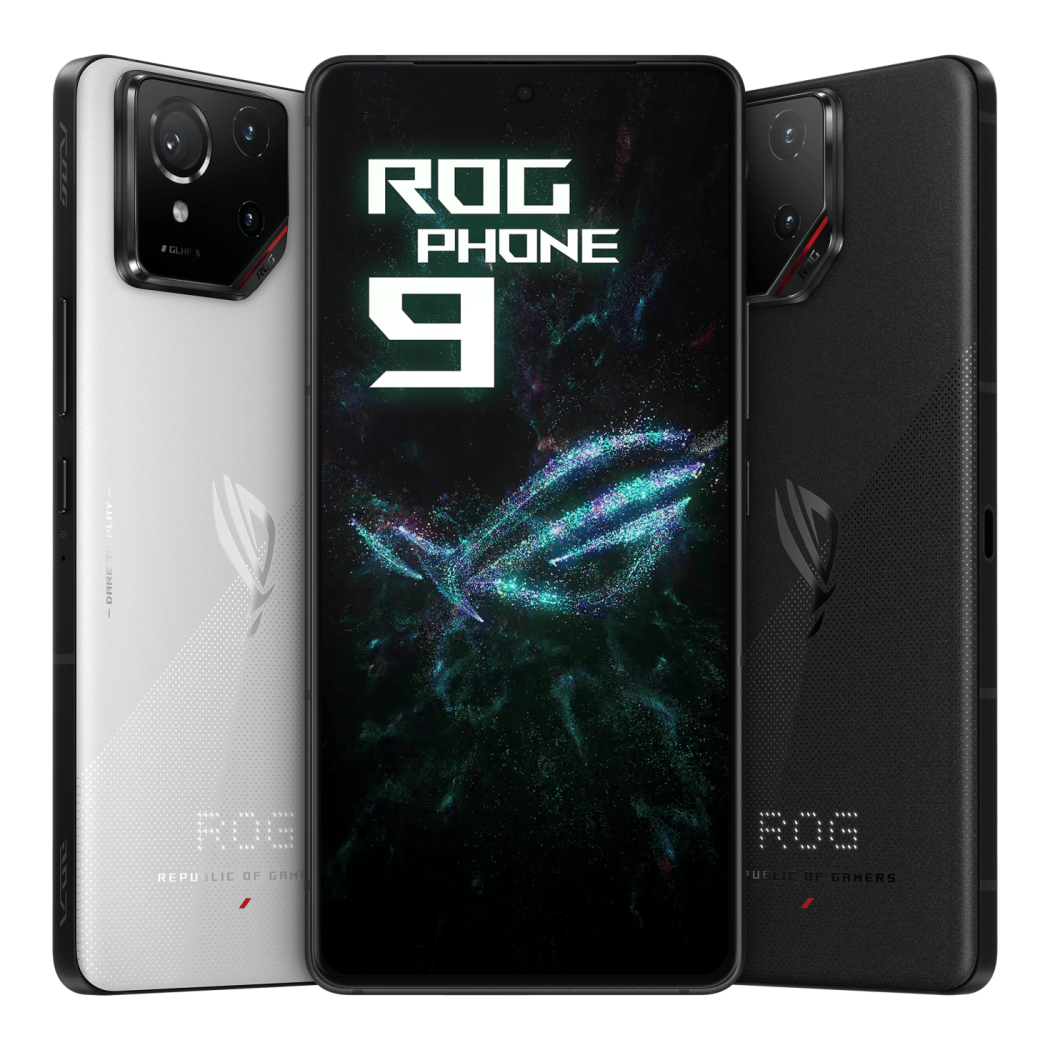
The ROG Phone series remains one of the most recognizable names in mobile gaming. The latest model includes advanced cooling systems, shoulder triggers, and a high-refresh-rate display. Those who enjoy fast-paced games benefit from the added precision and stability.
The ROG Phone 9 was announced in November 2024 and reached the US market in January 2025. It’s built around the Snapdragon 8 Elite with up to 24GB of RAM on the Pro model, and comes with a 165Hz AMOLED display that stays smooth even in the most demanding titles.
The GameCool 9 cooling system, a combination of vapor chamber, graphite layers, and active airflow are designed to keep thermals under control during long sessions in a way passive cooling on standard phones simply doesn’t.
The AirTrigger shoulder buttons are the most practical feature here as they act as additional input points mapped to on-screen controls, which meaningfully improves precision in shooters and action games. The 5,800 mAh battery handles extended play well, and ROG’s Armoury Crate software lets you tune per-game performance and fan speed.
The trade-off in this phone is size and weight; the ROG Phone 9 is bulkier than any standard flagship.
- 165Hz AMOLED display, Snapdragon 8 Elite
- Physical AirTrigger shoulder buttons for game controls
- GameCool 9 active cooling, runs cooler than any standard phone under load
- Large and heavy, the camera is satisfactory
RedMagic 10 Pro
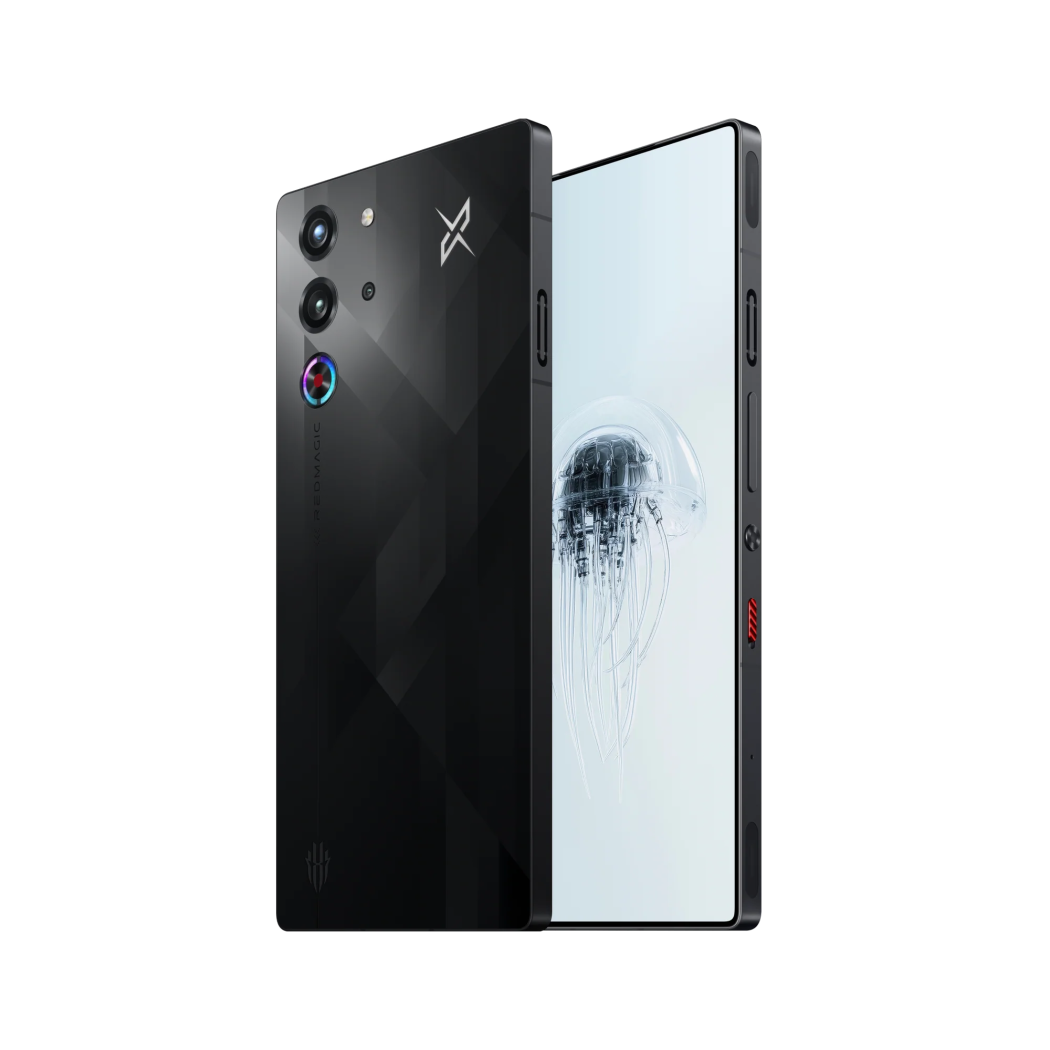
RedMagic devices are known for offering powerful hardware at competitive prices. The 10 Pro includes an internal cooling fan, customizable lighting, and a gaming-focused interface. Its long battery life makes it ideal for extended entertainment sessions.
The RedMagic 10 Pro runs a Snapdragon 8 Elite with a 7,050 mAh dual battery, the largest capacity on this list by a significant margin, and to juice it up, it natively supports 100W fast charging with the included 80W GaN charger. The 144Hz display is full-screen with no punch hole or notch, which is a cleaner look than most gaming phones manage. An internal 23,000 RPM cooling fan keeps the device at controlled temperatures even under sustained load.
At roughly $649 for the base configuration, it undercuts the ROG Phone 9 by a meaningful margin. The trade-off is ecosystem support: RedMagic doesn’t have the same accessory range or regional availability as ASUS, and the camera hardware is functional rather than impressive.
For anyone willing to invest more and looking for a competitively newer and more powerful hardware, RedMagic has also released the 10S Pro with Snapdragon 8 Elite Leading Version as well as the RedMagic 11 series.
- 7,050 mAh battery, the highest capacity device in this guide
- 144Hz full-screen display, no punch hole
- Internal 23,000 RPM cooling fan
- About $649 starting price, the most affordable dedicated gaming phone
Tablets for Larger-Screen Gaming

Some adults and gamers prefer gaming on a larger screen, and modern Android tablets offer an excellent balance of portability and display size. Tablet devices completely change the experience for games that benefit from screen real estate. Titles like strategy, card games, open-world RPGs, including free spins, and anything with small UI elements that become easier to read on a bigger display.
Samsung Galaxy Tab S10 Ultra
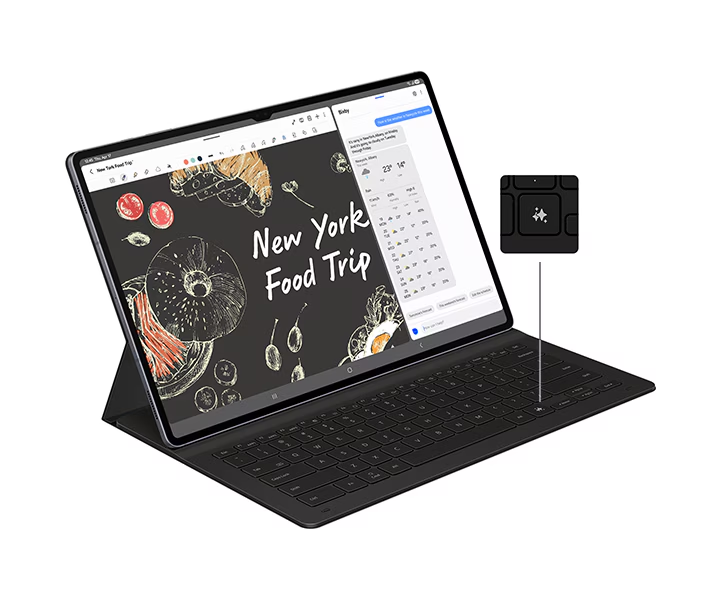
Galaxy Tab S10 Ultra with its expansive 14.6-inch Dynamic AMOLED display with 120Hz refresh rate, HDR10+ support, and powerful chipset, the Tab S10 Ultra is perfect for immersive gaming. The larger screen enhances visual detail, making it ideal for strategy games, racing titles, or themed entertainment experiences.
It runs on a MediaTek Dimensity 9300+ chipset with up to 16GB of RAM, which handles most games comfortably, though it doesn’t benchmark at the level of Snapdragon 8 Elite devices. The practical strengths are the display, the quad-speaker AKG/Dolby Atmos audio, and the IP68 rating. The 11,200 mAh battery lasts through extended sessions, and 45W fast charging is faster than most tablets offer.
At $1,199 for the base model, it’s expensive, and it’s a large device that requires a bag rather than a pocket. If a bigger screen size is what you are looking for, this is the best Android tablet for it. If you want Snapdragon-level performance in a tablet, Samsung doesn’t currently offer that in this lineup.
- 14.6-inch 120Hz AMOLED, the largest display in this guide
- MediaTek Dimensity 9300+ performs well, but below Snapdragon 8 Elite
- Quad speakers with Dolby Atmos and AKG tuning
- IP68 rated; $1,199 starting price
Mid-Range Devices Offering Strong Value

Not every adult gamer needs a flagship device to enjoy smooth gaming, and not every game demands flagship hardware. Many mid-range Android phones now include powerful processors and high-quality displays at more accessible price points of under $500 that are capable of handling casual games and lighter RPGs.
Let’s look into the options:
1. Samsung Galaxy A56

The Galaxy A56 offers a balanced combination of performance and affordability. Its bright display and efficient chipset make it suitable for casual gaming and everyday use.
It runs an Exynos 1580 chip on a 6.7-inch FHD+ Super AMOLED display at 120Hz. It’s not going to run AAA titles at high settings, but it is capable of handling casual and mid-tier games flawlessly.
Samsung includes six years of OS and security updates, longer than most phones at this price point. The 5,000 mAh battery keeps up with moderate daily use. Some users have reported overheating during demanding games, which is worth knowing if you plan to push it hard.
The A56 sits around $450 at retail and represents Samsung’s solid mid-range build quality: Gorilla Glass Victus+ front and back, IP67 water resistance, and a clean One UI 7 interface with Galaxy AI features. It’s not the most exciting phone, but it’s reliable and well-supported.
- 6.7-inch 120Hz Super AMOLED, Exynos 1580
- Six years of OS and security updates
- IP67, Gorilla Glass Victus+, highly durable for the price
- Overheating reported under sustained gaming load
2. Google Pixel 9a
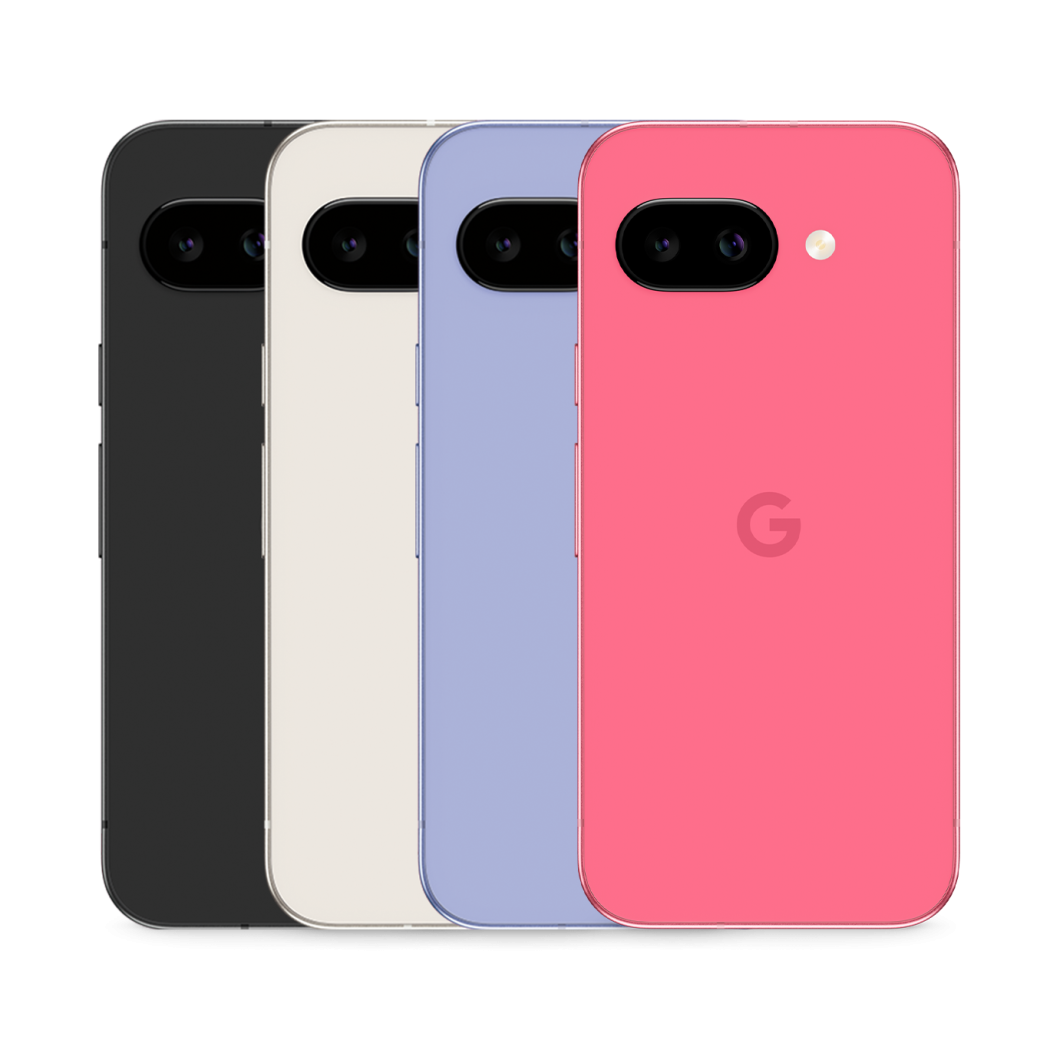
The Pixel 9a delivers excellent software optimization, ensuring smooth gameplay even without top-tier hardware. Its compact size and strong battery life appeal to adults who prefer smaller devices.
Launched in 2025 at $499 with the Tensor G4 chip and a 6.3-inch OLED display at 120Hz. Google improved the battery to 5,100 mAh over the previous 8a, and the clean software experience means games run with minimal background interference.
Like the Pixel 10 Pro, the 9a benefits from fast security updates and seven years of guaranteed OS support, better software longevity than anything else near this price.
- Tensor G4 chip, 5,100 mAh battery
- 6.3-inch 120Hz OLED, clean stock Android
- Seven years of OS updates, best software support at this price
Benchmark Comparison
Spec sheets only tell part of the story. The numbers below give a clearer picture of how these devices actually perform under load. Figures are approximate and based on publicly available benchmark data; real-world results vary by ambient temperature and software version.
| Device | AnTuTu v10 | Geekbench 6 (Single / Multi) | 3DMark Wild Life Extreme | Stress Test Stability |
|---|---|---|---|---|
| ROG Phone 9 | ~2,650,000 | 3,150 / 9,800 | 6,400 | ~88% |
| RedMagic 10 Pro | ~2,600,000 | 3,100 / 9,700 | 6,300 | ~90% |
| OnePlus 13 | ~2,580,000 | 3,090 / 9,600 | 6,200 | ~72% |
| Galaxy S26 (SD 8 Elite Gen 5) | ~2,700,000 | 3,400 / 10,200 | 6,500 | ~70% |
| Pixel 10 Pro | ~1,750,000 | 2,400 / 6,800 | 3,800 | ~78% |
| Galaxy Tab S10 Ultra | ~2,100,000 | 2,250 / 7,400 | 4,600 | ~75% |
| Galaxy A56 | ~750,000 | 1,400 / 4,000 | 1,200 | ~80% |
| Pixel 9a | ~1,050,000 | 1,800 / 4,600 | 2,400 | ~82% |
Game-by-Game Performance
Synthetic scores don’t always translate cleanly to gameplay. Here is how each tier handles a representative spread of demanding titles:
| Title | ROG Phone 9 / RedMagic 10 Pro | OnePlus 13 / Galaxy S26 | Pixel 10 Pro | Galaxy A56 / Pixel 9a |
|---|---|---|---|---|
| Genshin Impact (60fps, max) | Stable 60fps | 55-60fps, occasional dips | 45-55fps | 30fps medium settings |
| Wuthering Waves (max) | Stable 60fps | 50-60fps | 40-50fps | 30fps low-medium |
| Honkai: Star Rail (max) | Stable 60fps | Stable 60fps | 55-60fps | 30-40fps |
| Call of Duty Mobile (120fps) | Supported, locked 120fps | Supported, occasional drops | 60fps cap | 60fps medium |
| PUBG Mobile (90fps Ultra) | Supported | Supported | 60fps | 60fps balanced |
| Diablo Immortal (Ultra) | Stable 60fps | Stable 60fps | 50-60fps | 30fps medium |
Touch Sampling and Input Latency
For competitive shooters and rhythm games, touch sampling rate often matters more than display refresh rate. Higher sampling means the device registers your input more frequently, reducing the gap between tap and on-screen action. If you play PUBG Mobile, Call of Duty Mobile, or Wild Rift competitively, the gap between a gaming phone and a standard flagship is real and measurable.
- ROG Phone 9: 720Hz
- RedMagic 10 Pro: 960Hz (single touch), 480Hz multi-touch
- OnePlus 13, Galaxy S26, Pixel 10 Pro: 240-360Hz
- Mid-range devices: 120-240Hz
Controller and Accessory Support
- Backbone One (USB-C): Works with all listed devices. Best fit for standard flagships and mid-range phones.
- Razer Kishi V2 / Ultra: Compatible across the lineup. Some thicker cases require removal.
- GameSir G8 Galileo: Wide compatibility, including the Pixel and Samsung lineups. Best ergonomics for larger phones.
- ROG Phone 9 accessories: Proprietary AeroActive Cooler X and Kunai 4 Gamepad add hardware controls and cooling beyond what third-party clips offer.
- RedMagic Shadow Blade controller: Designed around the 10 Pro’s shoulder triggers and side ports.
Cloud Gaming Performance
- Wi-Fi 7 support: Galaxy S26, OnePlus 13, ROG Phone 9, RedMagic 10 Pro. Lower latency and better stability on supported routers.
- Display latency: ROG Phone 9 and RedMagic 10 Pro have the lowest measured display latency, useful for GeForce NOW and Xbox Cloud Gaming.
- Pixel 10 Pro: Runs cloud gaming clients smoothly thanks to clean software and consistent thermals, even though local GPU is weaker.
- Galaxy Tab S10 Ultra: The large display is the main reason to choose it for cloud gaming. Pair with a Bluetooth controller for the best experience.
Emulation Performance
- Snapdragon 8 Elite (ROG Phone 9, RedMagic 10 Pro, OnePlus 13, Galaxy S26 US): Run Switch emulators (Yuzu forks, Sudachi), PS2 (AetherSX2), and Windows games via Winlator at strong performance. Switch titles often hit native or above-native frame rates.
- Tensor G5 (Pixel 10 Pro): Adequate for PS2, Wii, GameCube. Switch emulation is functional but inconsistent.
- Dimensity 9300+ (Galaxy Tab S10 Ultra): Solid PS2 and earlier-gen emulation. Switch performance trails Snapdragon 8 Elite.
- Mid-range (A56, Pixel 9a): Reliable up to PSP, Dreamcast, and PS1. GameCube and PS2 are inconsistent.
Features That Enhance Mobile Gaming

Hardware specs tell part of the story, but a few specific features help define the modern Android gaming experience that consistently separates a good gaming experience from a frustrating one. These features apply across all price points.
Display refresh rate
A 120Hz display makes animations look visibly smoother than 60Hz, and dedicated gaming phones push this to 144Hz or 165Hz. The practical difference between 120Hz and 165Hz is less obvious in most games, but 120Hz vs 60Hz is noticeable to most people immediately. All devices in this guide run at 120Hz or higher.
Thermal management
Heat throttles performance. Standard phones use passive cooling, including vapor chambers and graphite sheets, which work for short sessions but struggle under sustained load. Dedicated gaming phones add active fan cooling, which keeps clock speeds higher for longer.
If you play for 90+ minutes at a stretch, this matters. The ROG Phone 9 and RedMagic 10 Pro both use active cooling; everything else here relies on passive systems.
Battery and charging speed
Gaming drains batteries faster than most other tasks. The OnePlus 13 (6,000 mAh) and RedMagic 10 Pro (7,050 mAh) lead the pack here. Fast charging matters almost as much as capacity; the RedMagic 10 Pro’s 100W charging puts it back to full in roughly 30 minutes, while the standard Galaxy S26 takes longer at 25W.
Software support length
Android games depend on current API support, and older OS versions eventually lose compatibility with updated titles. Samsung, Google, and OnePlus now offer seven, seven, and four years of major OS updates, respectively. For a device you’re buying to game on for several years, longer support means more games remain compatible for longer.
These improvements benefit adults who enjoy a wide range of mobile entertainment, from action-packed titles to themed games that include promotional elements such as free spins.
How to Choose the Right Gaming Device

The selection of the right gaming device depends on three things: how seriously you game, what kinds of games you play, and what budget you’re working with.
If gaming is your main use for the phone and you play fast-paced, demanding titles regularly, go with a dedicated gaming phone. The ROG Phone 9 offers the best overall package with its shoulder triggers and active cooling; the RedMagic 10 Pro undercuts it on price with comparable hardware.
If you want one phone that handles gaming and everything else well, the Samsung Galaxy S26 or OnePlus 13 are the clearest all-rounders. The Pixel 10 Pro is the better choice if software quality and update speed matter more than raw gaming performance.
For casual or occasional gaming, the Galaxy A56 and Pixel 9a both do the job without the flagship price tag. If screen size is the priority and you want to play strategy games, RPGs, or anything that benefits from a larger real estate, then the Galaxy Tab S10 Ultra is the only Android tablet worth considering at this level.
Concluding Thoughts

The latest Android devices demonstrate how far mobile gaming has come. With powerful hardware, stunning displays, and thoughtful design features, most of the adult gamers can enjoy high-quality entertainment wherever they are.
Whether someone prefers fast-paced action, strategy games, or casual-themed experiences that incorporate features like free spins, modern Android devices offer the performance and flexibility needed to support a wide variety of gaming styles.


