
In This Article
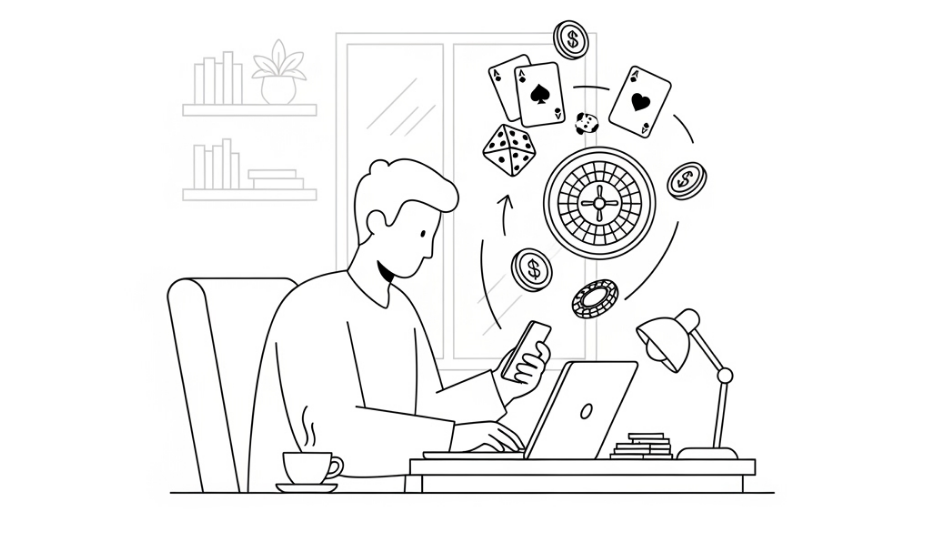
Digital casino platforms may appear simple on the surface, rows of colorful games, spinning reels, live dealers greeting players through screens, and sports odds shifting in real time. Yet behind this polished interface lives a complex technological ecosystem. Servers communicate across continents, algorithms generate unpredictable outcomes, and encryption systems quietly protect every interaction.
Modern casino experiences are no longer just about games. They are the result of interconnected technologies working together to create environments that feel seamless, responsive, and secure. From the moment a player logs in to the instant a round concludes, a series of digital processes operate behind the curtain.
Understanding this technology does not require a background in programming. It simply reveals how contemporary gaming platforms evolved from simple online experiments into sophisticated entertainment networks.
The Invisible Engine: Random Number Generation

Every digital casino game begins with a fundamental technological concept: randomness. Slot machines, roulette wheels, digital cards, and instant games all rely on mathematical algorithms designed to produce unpredictable results.
Random Number Generators, commonly referred to as RNG systems, form the backbone of digital game fairness. Instead of relying on mechanical movement like traditional slot machines, modern platforms generate thousands of random numbers per second. Each number corresponds to a specific outcome, whether that means a winning combination or an ordinary spin.
These algorithms ensure that no two rounds are identical. Even when a player presses the spin button at the same moment twice, the internal calculations behind the scenes are completely different.
Independent testing organizations regularly audit these systems. Their role is to confirm that outcomes cannot be manipulated and that probabilities remain consistent over time. Certification from these testing bodies enhances the credibility of gaming platforms, ensuring that results are driven purely by mathematical randomness rather than by hidden patterns.
Software Studios and the Evolution of Game Design

While RNG technology governs outcomes, software developers shape the visual and interactive elements players see on the screen. Game studios design everything from classic three-reel slot machines to complex story-driven titles with cinematic animations.
The digital casino environment today is largely built through collaboration between multiple development studios. Each provider contributes its own creative direction, gameplay mechanics, and technical framework. Some studios focus on innovative bonus systems, while others specialize in detailed visual themes or multiplayer features.
Modern development tools allow these studios to create games that run smoothly across different devices and browsers. Instead of requiring installations or downloads, most titles rely on lightweight frameworks that adapt to desktops, tablets, and smartphones.
These frameworks also allow developers to integrate features such as:
- Dynamic sound design and animation systems
- Interactive bonus rounds and mini-games
- Multi-language support for global audiences
The result is a gaming catalogue that continues to evolve, reflecting both technological progress and creative experimentation.
Real-Time Streaming and the Rise of Live Casino Tables
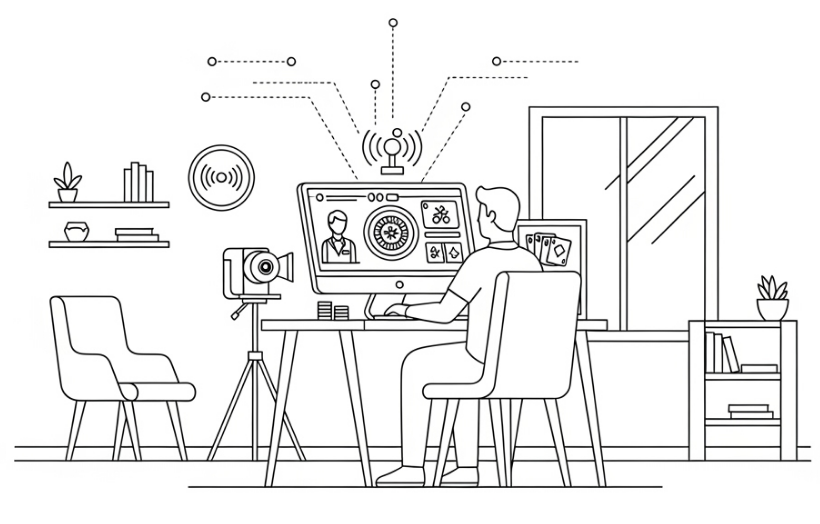
One of the most striking technological advancements in recent years has been the emergence of live dealer gaming. These experiences connect players with professional hosts through real-time video streaming, creating an atmosphere closer to a traditional casino floor.
Behind each live table lies a carefully designed production environment. Studios resemble television broadcast rooms, equipped with multiple cameras, lighting rigs, and high-definition streaming equipment. Specialized software transmits the video feed to players around the world with minimal delay.
At the same time, optical recognition systems track the physical elements of the game. Cameras can read roulette wheel results, identify playing cards, and detect chip values placed on the table. This data feeds directly into the digital interface, ensuring that the virtual betting interface reflects real-world outcomes instantly.
Maintaining synchronization between the video feed and the betting system is one of the most technically demanding aspects of live casino infrastructure. Advanced servers manage this process, reducing latency and ensuring that every player receives the same information simultaneously.
Payment Infrastructure in a Digital Environment
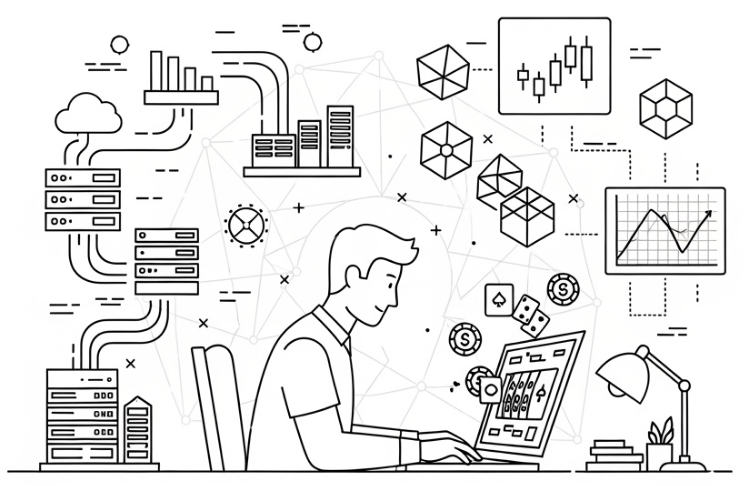
Just as important as the games themselves is the infrastructure supporting financial transactions. Digital casinos must manage deposits, withdrawals, and account balances through secure and reliable payment networks.
Modern platforms typically support a mixture of traditional banking systems and newer digital solutions. Card payments, electronic wallets, and cryptocurrency networks all play roles in shaping how transactions move through these systems.
Below is a simplified comparison of common transaction technologies used in digital gaming environments.
| Payment Method | Typical Processing Style | Key Advantage |
| Bank Cards | Traditional financial network | Familiar and widely accessible |
| E-Wallets | Third-party digital payment gateway | Faster transfers and account separation |
| Cryptocurrencies | Blockchain-based verification | Decentralized processing and transparency |
Each method relies on different technical protocols, yet they all connect to centralized transaction monitoring systems designed to maintain accuracy and security.
These systems track transaction history, detect unusual activity, and verify that financial data remains consistent across the platform.
Security Systems Protecting Digital Platforms
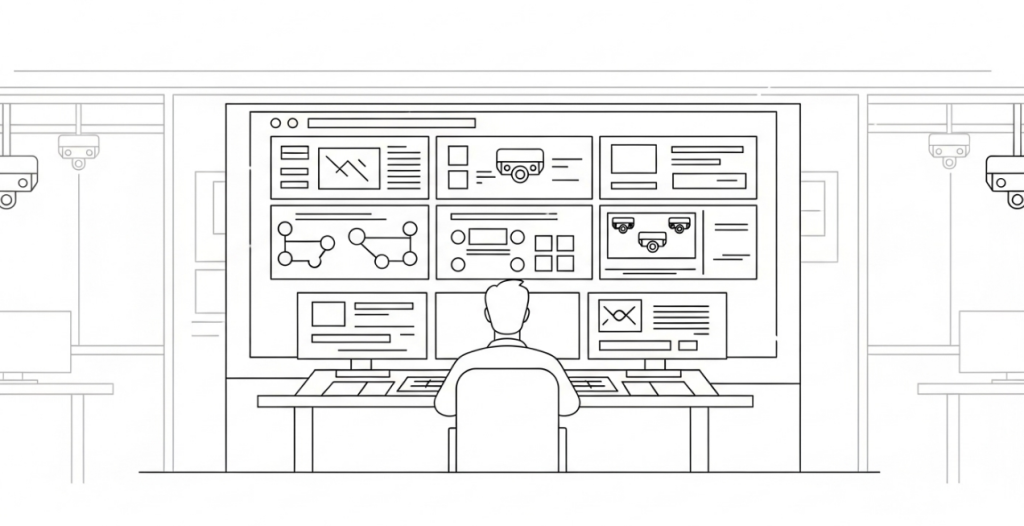
Whenever personal data and financial transactions move across the internet, security becomes essential. Casino platforms, therefore, implement multiple layers of protection to safeguard user information and maintain operational stability.
Encryption technology forms the first line of defense. Secure Socket Layer (SSL) protocols encrypt communication between a user’s device and the platform’s servers, while internationally recognized frameworks such as the ISO/IEC 27001 information security standard guide organizations in building structured security management systems.
Additional security measures often include behavioral monitoring systems that analyze account activity patterns. If unusual behavior appears, such as rapid login attempts from different locations, the system may temporarily restrict access while verification checks occur.
Mobile Optimization and Cross-Device Access

Digital gaming once required desktop computers and stable broadband connections. Today, mobile devices have become the primary gateway for many online services, including gaming platforms.
Responsive web design technologies now allow entire casino environments to adapt automatically to smaller screens. Instead of creating separate versions of websites, developers design flexible interfaces capable of adjusting layout elements based on screen size.
Touch controls replace traditional mouse navigation, while streamlined menus ensure that users can move easily between different sections of the platform. Games themselves also adapt dynamically, maintaining performance even on devices with limited processing power.
Mobile optimization requires careful engineering. Developers must balance visual complexity with performance efficiency, ensuring that graphics remain smooth without overloading device hardware.
This balance allows players to move between desktop and mobile environments without losing functionality.
Platform Architecture and Game Aggregation

Behind every large digital casino library sits a system designed to organize thousands of games in a single interface. This structure relies on what developers call aggregation technology.
Instead of hosting every game directly, platforms integrate content from external studios through Application Programming Interfaces (APIs). These APIs act as bridges, allowing the platform’s central system to communicate with game servers maintained by different providers.
When a player launches a game, the request travels through this network, retrieving the game environment while maintaining synchronization with the player’s account balance and session data.
This architecture provides several advantages:
- Platforms can expand their game libraries without building every title internally
- Developers retain control over updates and maintenance of their games
- New content can be introduced quickly without rebuilding the entire platform
Such a modular design allows digital casinos to evolve continuously as new studios and technologies emerge.
Responsible Gaming Tools and Player Management

Another important layer of modern casino technology involves systems designed to support responsible participation. These tools allow players to manage their activity through automated limits and monitoring features.
Deposit caps, time reminders, and cooling-off periods are implemented through account management systems built directly into the platform. When a player activates one of these limits, the system automatically enforces the restriction across the entire platform.
Some advanced platforms also incorporate behavioral analytics that monitor patterns of play. These systems identify unusual changes in activity and may provide reminders encouraging users to take breaks or review their gaming habits.
While these features often remain unnoticed during casual play, they represent an important shift in how digital platforms approach player wellbeing.
Cloud Infrastructure and Global Connectivity
Behind every digital gaming session lies a network of servers responsible for delivering content in real time. Many modern platforms rely on cloud infrastructure rather than traditional single-location data centers.
Cloud systems distribute computing power across multiple geographic regions. This means that players accessing a platform from different countries can connect to nearby servers, reducing loading times and improving stability.
Redundant backup systems ensure that services remain available even if technical issues occur in one location. If one server cluster encounters a problem, traffic automatically shifts to another region without interrupting gameplay.
This distributed architecture supports the global reach of digital platforms, enabling them to handle thousands of simultaneous sessions without noticeable delays.
The Continuous Evolution of Gaming Technology
Digital gaming technology continues to evolve alongside broader developments in computing and internet infrastructure. Faster network speeds, improved graphics engines, and more efficient data processing systems are gradually reshaping what online entertainment platforms can offer.
Artificial intelligence is beginning to assist with platform management, helping identify technical issues and improve user interfaces. Meanwhile, advancements in streaming technology promise smoother live experiences and greater interaction between hosts and players.
Virtual reality and immersive environments also remain areas of experimentation. While still developing, these technologies hint at potential future directions where digital casinos could resemble interactive virtual spaces rather than traditional websites.
The pace of change suggests that the systems powering today’s platforms may look very different within the next decade.
The Quiet Architecture Behind Digital Play
Modern casino experiences are the product of an intricate technological ecosystem. Random number algorithms determine outcomes, software studios design engaging games, streaming systems connect players to live tables, and security protocols protect every interaction.
Much of this infrastructure remains invisible to the casual user. Yet it is precisely this hidden architecture that allows digital platforms to operate smoothly and reliably across the world.
As technology continues to advance, these systems will likely become even more sophisticated. New payment technologies, improved streaming capabilities, and enhanced data security will shape the next generation of digital entertainment environments.
For players, the experience may still begin with a simple click or tap. But behind that moment lies a remarkable network of technology quietly powering every spin, shuffle, and wager in the modern digital landscape.
Data Analytics and Personalization

Modern casino platforms also rely heavily on data to improve user experience. Every click, game choice, and session length helps systems learn what players enjoy and how platforms can respond better.
- Player Insights: Platforms track behavior to understand preferences, helping tailor game suggestions and promotions.
- Smart Recommendations: Similar to streaming apps, casinos suggest games based on past activity, making discovery easier.
- Performance Monitoring: Data helps operators detect slow games, bugs, or drop-offs and fix them quickly.
- Fraud Detection: Advanced analytics identify unusual patterns that may signal cheating or account misuse.
- User Experience Testing: A/B testing allows platforms to compare features and improve layout, speed, and usability.
Responsible Gaming

Responsible gaming is an important part of maintaining a balanced and enjoyable digital experience. Modern platforms often include tools and reminders to help users stay aware of their activity and habits. By making thoughtful choices, players can ensure that gaming remains a form of entertainment rather than a source of stress.
- Only Spend What You Can Afford: Treat gaming expenses like entertainment spending, similar to movies or outings. Avoid using money meant for essential needs such as bills, rent, or daily living costs.
- Take Frequent Breaks: Step away if gaming or responsible betting feels overwhelming or constant. Awareness helps you stay in control and make healthier choices.
- Track Your Time: It is easy to lose track of time during online play, so set limits before you begin. Using timers or reminders can help you stay mindful and maintain balance.
- Ask for Support if Needed: If gaming starts to feel difficult to manage, consider reaching out for help. Friends, family, and support services can provide guidance and assistance when needed.
Bottom Line

Modern casino platforms are powered by a complex blend of algorithms, software development, streaming technology, and secure infrastructure working seamlessly together. From randomness and real-time interaction to payment systems and data analytics, each layer contributes to a smooth, engaging, and सुरक्षित user experience. As technology continues to evolve, these digital ecosystems will become even more advanced, shaping the future of online entertainment.