In This Article
Follow BestForAndroid


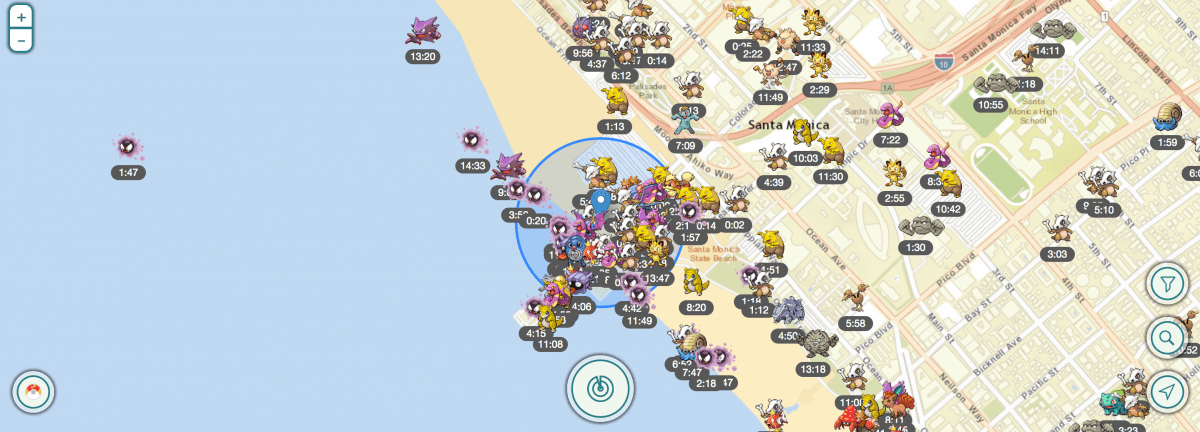
PokeAlert was a popular Pokemon GO third-party scanner in mid-2016 that pulled raw spawn data from Niantic’s backend and pushed it to a map overlay. Niantic shut down the API access the scanners depended on in August 2016, and PokeAlert went dark along with PokeVision, PokeMesh, and dozens of other scrapers.
If you arrived here looking for PokeAlert, the short answer is: it has been gone for almost a decade, and any ‘PokeAlert’ app currently in the Play Store under that name is unrelated and probably risky. The longer answer is what this guide is for: why scanners died, why bringing them back is a ban-risk dead end, and what legitimate tools replaced them.
Niantic has been clear since 2016 that any third-party tool that scrapes the game backend or shows spawn locations not surfaced in the official app is a ToS violation. Account bans for using such tools are real and tracked through fingerprinting that has improved every year. This guide is for the players who want to plan hunts effectively without the ban risk.
TL;DR
Why scanners died: Niantic shut down API scraping in August 2016. The original PokeAlert has been non-functional ever since.
What replaced them: PokeGenie (raid invites + IV check), Silph Road and Pokemon GO Hub (community knowledge), Discord raid coordination. All free, all legal.
Ban risk reminder: Spoofing apps and scrapers carry a three-strike ban path that ends in permanent account loss. Not worth it.
Why PokeAlert and the other scanners died
The original PokeAlert and PokeVision worked by reverse-engineering the Niantic API: they logged in as a Pokemon GO account, made the same backend calls the official app would make, and pulled the spawn data into a third-party map. For about two months in summer 2016 this worked brilliantly. The map of your city was filled with live spawn pins; rare Pokemon were easy to find.
Niantic’s August 2016 API lockdown ended that. They added request signing, account-level rate limits, and detection for clients that made calls without user activity (no walking, no app opens, just data scraping). The scanners broke overnight. Some tried to rebuild but Niantic kept the cat-and-mouse pressure on, and by 2017 the third-party scraper ecosystem was dead.
The Pokemon GO ToS is explicit: using scrapers, scanners, location spoofers, or any tool that reveals data not shown in the official app is a violation. Niantic’s three-strike system (warn, soft-ban for two weeks, permanent ban) ends accounts that persist. This is not a theoretical risk; community forums document permanent bans every week.
What replaced scanners (legitimately)
PokeGenie is the closest legitimate replacement for the scanning use case. It does not scan spawns, but it joins remote raids with real players, evaluates IVs from a screenshot (with permission), and surfaces friend-shareable raid invites. Free on Android and iOS; an optional paid tier (Plus, 3.99 USD per month) adds shiny family alerts and unlimited IV scans.
The Silph Road is the central community hub. The Pokebattler raid IV calculators, the Silph Cup competitive metas, and the Silph Travelers research network are all free. Pokemon GO Hub aggregates spawn rate analyses, event schedules, and community day breakdowns. None of these tools scrape the game; they crowdsource data from voluntary player reports.
Coordinates and Discord raid hosting communities (PoGoCoord, Pokebattler Raids) coordinate remote raid invites within the official Niantic Remote Raid Pass system. You join real raids hosted by real players; the coordination tool just gets people to the same raid lobby at the same time. Niantic-sanctioned, free, and the standard for organized hunting today.
The ban-risk dead end
If you search ‘2026 Pokemon GO scanner’ you will find sites claiming to have working tools. Most are either non-functional (collecting your Pokemon GO credentials for resale), genuine scrapers that get your account banned within days, or both. The technical and legal pressure has only increased since 2016.
GPS spoofing apps deserve the same treatment. Fake GPS Joystick, Tutu App, and the various ‘Pokemon GO spoofer’ downloads all violate Niantic ToS, all trigger Niantic’s GPS-anomaly detection, and all carry the same three-strike risk. Soft-bans take two weeks to clear; permanent bans cannot be appealed in most cases.
If you genuinely enjoy Pokemon GO, build the habit around the legitimate ecosystem: PokeGenie for IV checks and raids, Silph Road and PokeHub for community knowledge, Niantic’s Remote Raid Passes for distant raids. The game is more rewarding when account loss is not the constant background fear.
Building a hunt plan (legitimate)
Plan around Community Days: Niantic publishes the monthly schedule on the official blog, and Pokemon GO Hub aggregates the rumored leaks for the months ahead. Mark your calendar, set the spawn-rate boost in advance, and pick the best windows for shiny hunting around your home and work areas.
Use the in-game Nearby tab and the Wayfarer-derived Pokestop density of an area instead of a third-party map. Walk dense areas (urban parks, transit hubs, university campuses) on event windows; spawn variety per hour beats trying to teleport to specific coordinates. The walking is also the point of the game.
Track your IVs with PokeGenie (screenshot-based, no scraping) and your Pokedex completeness with the official app’s Pokedex. For the broader question of legitimate hunt tools and what the post-scanner ecosystem looks like, the BFA piece on Pokemon coordination on Discord covers the community-coordination side that replaced spawn maps.
Quick take
PokeAlert and the entire third-party scanner ecosystem died when Niantic shut down API scraping. Any ‘PokeAlert 2026’ is unrelated and risky.
Legitimate tools (PokeGenie, Silph Road, Pokemon GO Hub, Discord raid coordination) replaced scanners without the ban risk.
At a glance
| Tool / approach | Legal under ToS | What it does | Cost |
|---|---|---|---|
| Original PokeAlert (2016) | No | Scraped spawn API; dead since August 2016 | n/a |
| GPS spoofing apps | No (ban risk) | Fake location; triggers Niantic detection | Free or paid; all risky |
| PokeGenie | Yes | IV check from screenshot, raid invite hosting | Free; Plus $3.99/mo |
| The Silph Road | Yes | Crowdsourced spawn rate, IV calculators | Free |
| Pokemon GO Hub | Yes | Event analysis, community day guides | Free |
| Pokebattler Raids | Yes | Organized remote raids | Free |
FAQ
Is there a working PokeAlert today?
No, and any app currently called PokeAlert is unrelated to the original 2016 scanner. The technical mechanism that powered scanners (Niantic API scraping) was permanently shut down nine years ago and has not been viable since.
What is the actual ban risk for spoofing?
Active. Niantic publishes regular ban waves. First detection: 7-day warning shadow ban. Second: 30-day suspension. Third: permanent ban. Niantic uses GPS anomaly detection, app integrity attestation, and account-fingerprinting; the chance of evading detection long-term is low.
Are remote raids still allowed?
Yes. Remote Raid Passes are an in-game feature added. You buy them in-store and use them to join distant raids invited by friends. PokeGenie and the Discord raid communities coordinate these legally.
Can I see live spawns of rare Pokemon legally?
Not on a map. Niantic intentionally does not surface this. The legitimate substitute is community-coordinated raid hosting (for raid bosses) and habitat-density walking (for wild spawns). The game design assumes physical movement, not coordinate teleport.
What about IV checkers?
Allowed. PokeGenie, Calcy IV, and similar apps that analyze a screenshot you took inside Pokemon GO are not scraping; they are computing IVs from public stats. Niantic has not flagged these as ToS violations.
How do I find friends to remote raid with?
PoGoCoord on Discord and Pokebattler Raids on Discord both host invite trains 24/7. PokeGenie’s built-in raid invite system is the simplest if you do not want to join Discord servers. All free.
The verdict
PokeAlert was a real tool for two months and it has been a memory ever since. The combination of Niantic’s ToS, ban enforcement, and the legitimate ecosystem that grew up around remote raids and IV checkers makes the scanner era a relic.
the way to play Pokemon GO at a high level is to pair PokeGenie with the Silph Road community knowledge, join one or two Discord raid coordination servers, and walk dense spawn areas on event days. No third-party map, no spoofer, no ban risk.
If you came here looking for scanners specifically, the honest answer is that the era ended a decade ago, the ban risk has grown, and the legitimate alternatives are now better than anything the scanners delivered.
How we put this guide together
We reviewed the original PokeAlert and PokeVision postmortem threads on r/PokemonGoSpoofing and r/TheSilphRoad from August 2016 through 2017, plus Niantic’s public statements on third-party tool enforcement. The current legitimate tools (PokeGenie 4.x, Silph Road, Pokemon GO Hub) were verified on May 2026 with their official documentation. Ban-rate context was cross-checked against Niantic’s published Trainer Guidelines and recent community ban-wave threads. We update this retrospective if Niantic changes its third-party policy or if the official remote-raid system materially changes.