In This Article
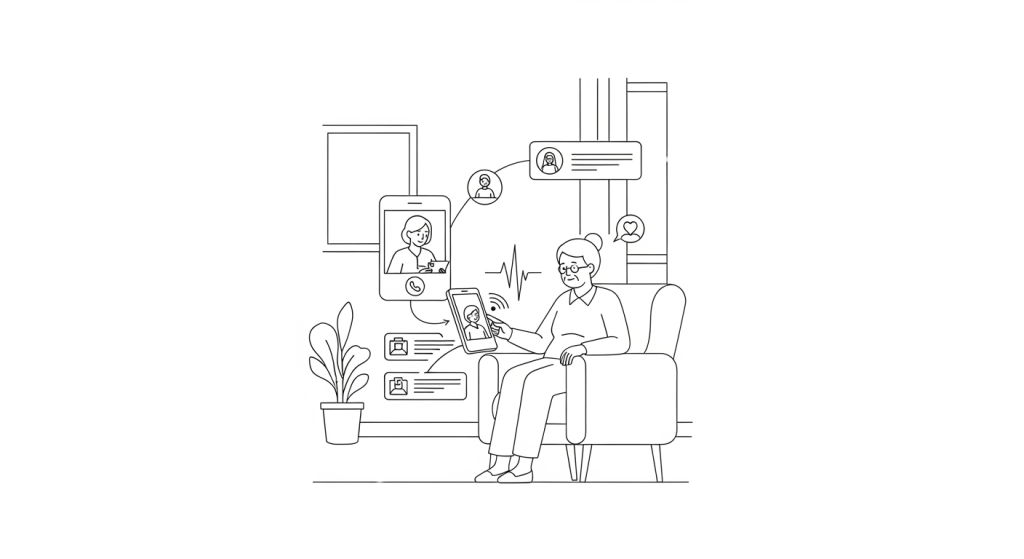
There are many excellent devices and systems that can be a lifeline for seniors in need of care today. Some of the most useful are facilitated by Android smartphones and tablets. Of course, modern smartphones come with tons of features, so which ones can help? Systems such as accessibility and GPS offer peace of mind for carers and independence to the elderly.
Emergency SOS Systems
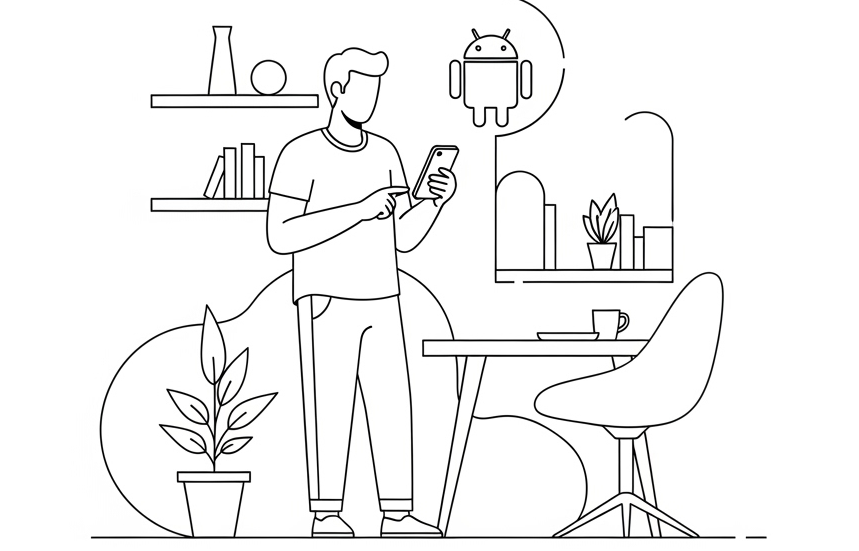
Elderly people are at a much higher risk of a medical emergency. Something as simple as a fall can lead to further complications beyond the immediate damage, and an injured person may not be able to alert anyone to their distress. An emergency alert button is a lifeline for an elderly patient and offers peace of mind to any carer. Alongside other tools like Android emergency apps for emergency information and safety check-ins, these are a major medical advantage.
Built-In Accessibility Features
It is pretty common to lose your hearing as you age, and your eyesight can also get worse. Then there is the loss of motor skills because of problems like arthritis, muscle weakness, and even something like Parkinson’s. Of course, like most user-oriented systems these days, Android phones and tablets come with many accessibility features that make it easier for elderly people to use them, including large text, sound amplifiers, and talk-back screen readers.
Voice Assistants are a Lifeline for Seniors
A recent UK study found that out of the 11 million elderly patients in Britain, around 2 million struggle with basic household tasks. Of course, there are tons of Google Assistant commands for having fun, but on a serious note, there are also voice-activated controls that can transform someone’s life. For example, people with impaired vision or reduced motor skills can ask Google to make a call, open apps, read messages, and activate smart-enabled devices.
GPS Tracking and Geo-Fencing
One of the most concerning issues around elderly people, such as those with dementia-related conditions, is getting lost. It is common for people with dementia to wander off and forget where they are or where they live. However, many devices, such as the CPR Guardian, can connect to Android phones for easier tracking. There are also geo-fencing systems that can alert you if a patient leaves a pre-defined area where it would be dangerous for them to do so.
Medication Management Assistance
Between 40% and 50% of elderly people admit to struggling with taking their prescribed medication, mostly forgetting to do so. This, of course, can be very dangerous for patients with issues like heart conditions or neurodivergent issues like epilepsy. One of the easiest, yet most powerful, uses for Android apps is simple reminders. With reminders, all but the most affected patients will stay on track with a medication schedule while remaining more independent.
Remote Monitoring and Telehealth Support
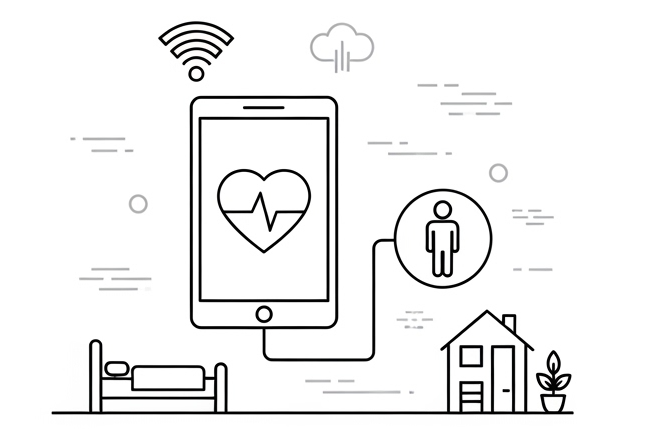
Android devices are also changing elderly care by making daily health monitoring and doctor access easier. These tools reduce hospital visits while helping caregivers stay informed in real time. With simple apps and connected devices, seniors can manage health needs from home.
- Health Tracking Apps: Android supports apps that monitor heart rate, steps, sleep, and activity levels, helping spot issues early.
- Wearable Integration: Smartwatches and fitness bands sync with Android to automatically track falls, movement, and vital signs.
- Telehealth Access: Seniors can attend doctor appointments via video, saving time and reducing travel stress.
- Caregiver Dashboards: Shared apps let family members view health updates, reminders, and alerts in one place.
- Routine Automation: Scheduled alerts for meals, hydration, and exercise help seniors maintain healthy daily habits.
Final Thoughts
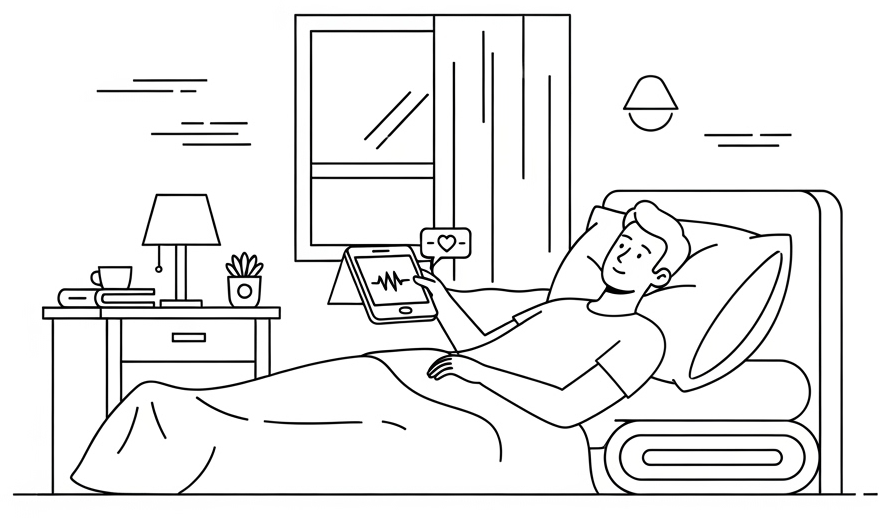
Emergency alert systems that can be connected to Android apps offer a lifeline for seniors at risk of falls. However, advanced smartphone features such as voice assistants offer some independence alongside medication management systems.