In This Article
The short answer: slot games run on two very different kinds of math. Classic payline slots pay on fixed lines with steady, predictable wins, while modern cluster-pay and cascading games reward groups of touching symbols and chain reactions, trading frequent small wins for rarer, bigger ones. Knowing which system a game uses tells you what kind of experience, and what level of volatility, to expect before you spin.
Playing a slot machine looks simple: you tap, watch the reels, and hope a few lucky symbols line up. Behind the colorful symbols and the exciting animations, though, sits carefully engineered math that decides how often you win and how big those wins are. Slots broadly fall into two camps: the traditional payline systems and the more modern cluster-pay and cascading systems. Each uses different arithmetic, and each creates a different kind of thrill. Getting familiar with these mechanisms helps explain why some games feel fast and frequent while others feel rare, and then suddenly explode.
The Conventional Payline Slots and Their Linear Character
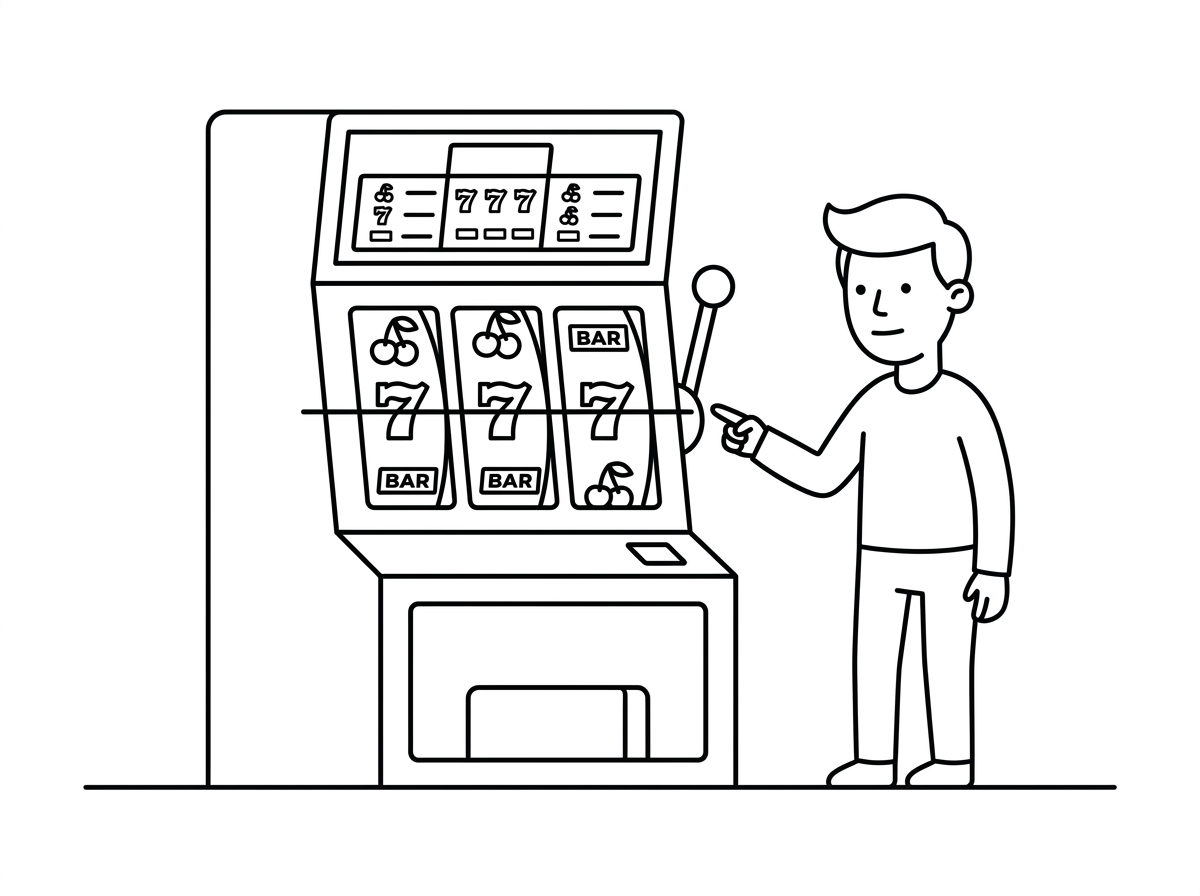
The classic payline casino slot games use predetermined winning combinations, and the reels reveal whether you have hit one. The game scans particular lines, left to right, and a win is possible when matching symbols land on an active payline. This structure keeps the game simple and predictable.
This is linear math, and each spin is independent of the last. Any symbol’s chance of landing is set by how often it appears on the virtual reel strips, and game designers balance those probabilities carefully to hit the intended hit rate and reward feel. Put simply, a win is the symbol value multiplied by your stake on that line, then multiplied by the number of paylines you hit. That independence is not just convention: the UK Gambling Commission’s technical standards for remote gambling software require that every result is genuinely random and unconnected to the spins around it.
It is a structured way to play that delivers consistent, easy-to-follow action. The thrill comes from hoping the right symbols line up on the paylines you chose, and you always know roughly what to expect from each spin.
The World of Cluster Pay Systems
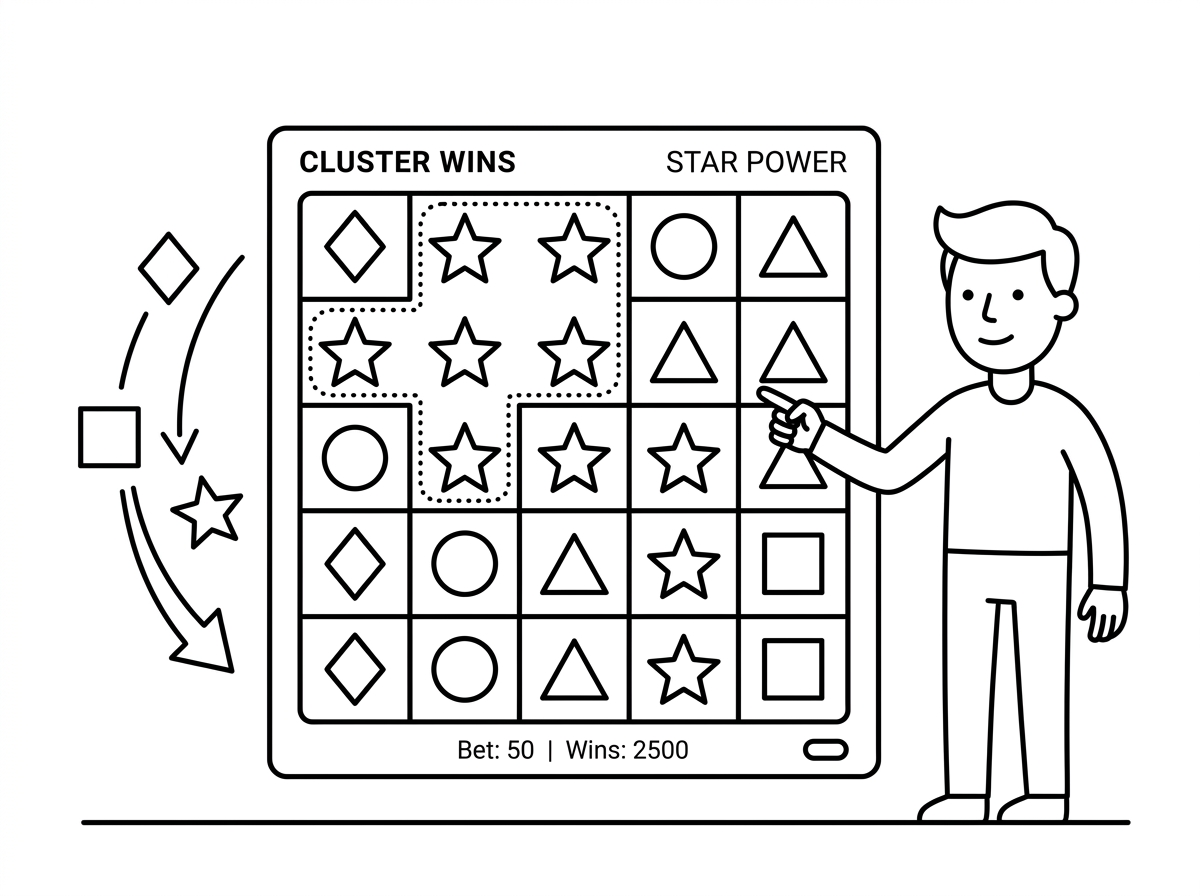
Unlike payline slots, cluster-pay slots work very differently. Wins are decided by groups of matching symbols touching one another, either vertically or horizontally, rather than along preset lines. You often need five or more matching symbols connected to win, and these games usually run on a larger grid, such as 6×6 or 8×8, so that bigger clusters have room to form.
This is highly spatial, and the math is far more complex. A symbol cannot pay on its own; it has to connect with others, which creates an enormous number of possible winning shapes. Unlike fixed payline games, the odds of a cluster forming are not fixed. They depend entirely on how the symbols happen to be arranged across the grid on any given spin.
That spatial math changes the experience. Many of the wins are modest, but wins tend to land more often in cluster games. The biggest prizes come from rare, deep cascades, when several winning clusters fire one after another in a single chain reaction.
The Appeal of Cascading Wins
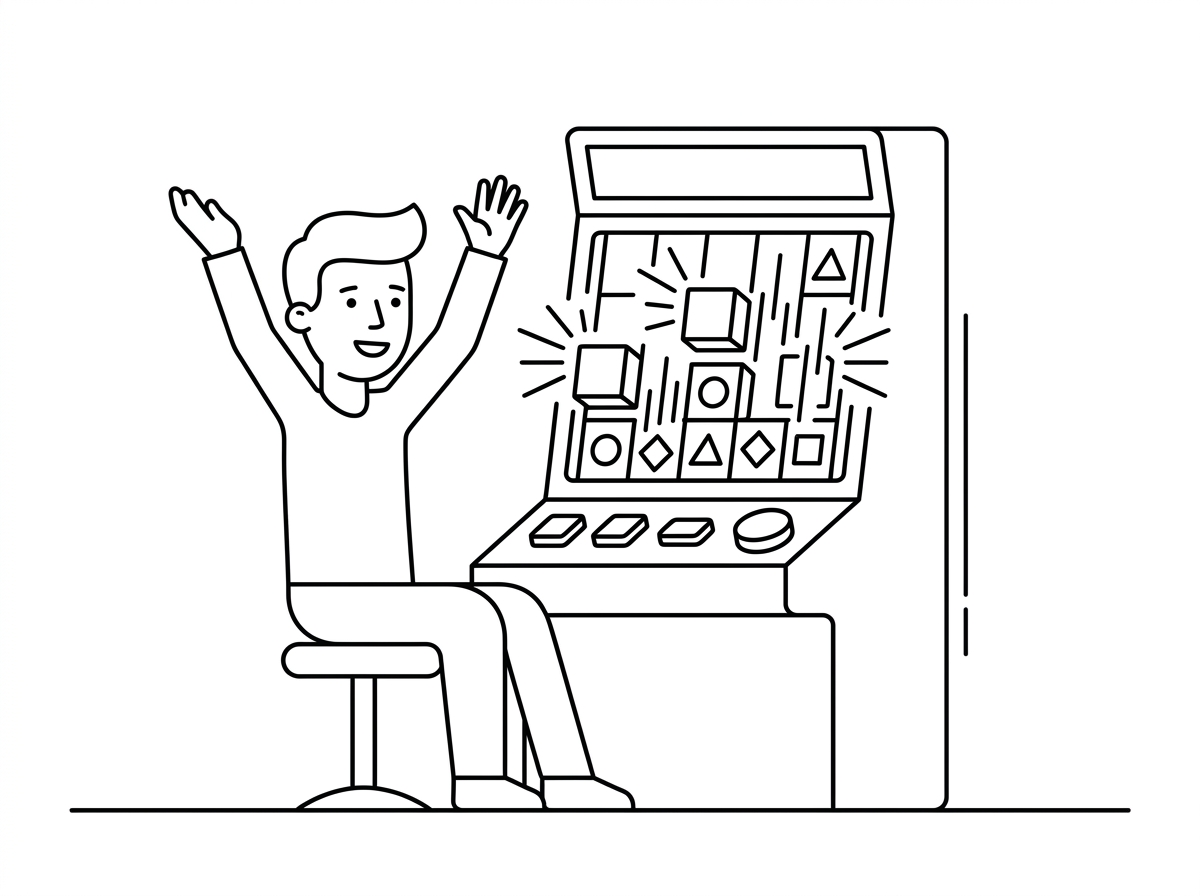
Cascading wins, also called avalanches or tumbles, are what make cluster games so exciting. When a winning combination forms, those symbols disappear. New symbols then drop down to fill the gaps, and if a fresh cluster appears, the whole process repeats. Each cascade can multiply your win, sometimes with a multiplier that climbs higher on every step of the chain.
The result of all this cascading is non-linear rewards. A long chain can pay enormously, but most spins return little or nothing at all. The arithmetic is tuned so that the many small or losing spins are balanced out by the big winners in deep cascades. That produces high volatility: long dry spells broken up by the occasional, potentially huge, payout.
Why These Systems Differ So Much
Payline slots are dependable and comfortable. Clusters and cascades build in far more surprise and energy. The math behind cascades raises the chance of dead spins, wins that fall short of your stake, but it also ramps up the suspense as new symbols fall and fresh chances keep opening up.
Having this knowledge helps you choose the games that match your mood. Payline games may feel more appealing if you like small victories on a regular basis. Players who love the thrill of forming long cascades of symbols will find cluster pay games in legit casino online games to be a great source of excitement.
| System | How a win forms | Underlying math | Volatility | How it feels |
|---|---|---|---|---|
| Classic paylines | Symbols on fixed lines, left to right | Linear, each spin independent | Low to medium | Steady and predictable |
| Cluster pays | Groups of touching symbols on a big grid | Spatial, position-dependent | Medium to high | Frequent small wins |
| Cascading wins | Winners vanish, new symbols drop in | Non-linear chain reactions | High | Rare but explosive |
Play Smart: Know the Odds and Game Responsibly
However the math is built, the house keeps a long-run edge in every one of these systems, and no strategy changes that. Cascading and cluster games in particular are designed around long dry spells, so it is easy to keep spending while chasing the next big chain. The healthiest approach is to treat any money you stake as the price of entertainment, not as an investment you expect to grow. Anyone playing for real money should be 18 years or older, and it helps to remember that roughly 1 to 3 percent of adults develop a gambling problem.
The whole point of slot math is to create different emotional journeys. Whether it is the steady rhythm of paylines or the grand build-up of cascades, skilled designers use numbers to make the experience exciting, fair within the rules, and genuinely entertaining for players who relish the spin. Understand the system in front of you, set firm limits, and you can enjoy the ride for exactly what it is.