In This Article
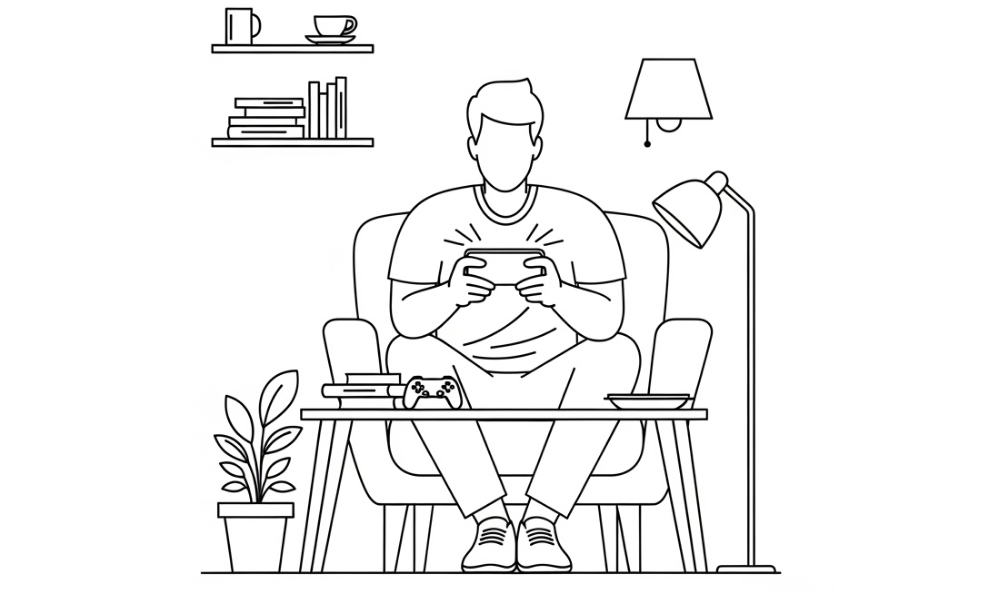
Mobile gaming is a widespread hobby, but not everyone knows how much it actually costs. Prices for subscriptions, internet plans, and hardware continue to grow. Games expect faster CPUs, higher refresh-rate displays, and steady connectivity, so players who want consistent performance need to set aside money for upgrades, services, and small accessories because it’s not a cheap hobby anymore.
How Much Does a Mobile Gamer Really Spend Every Month?
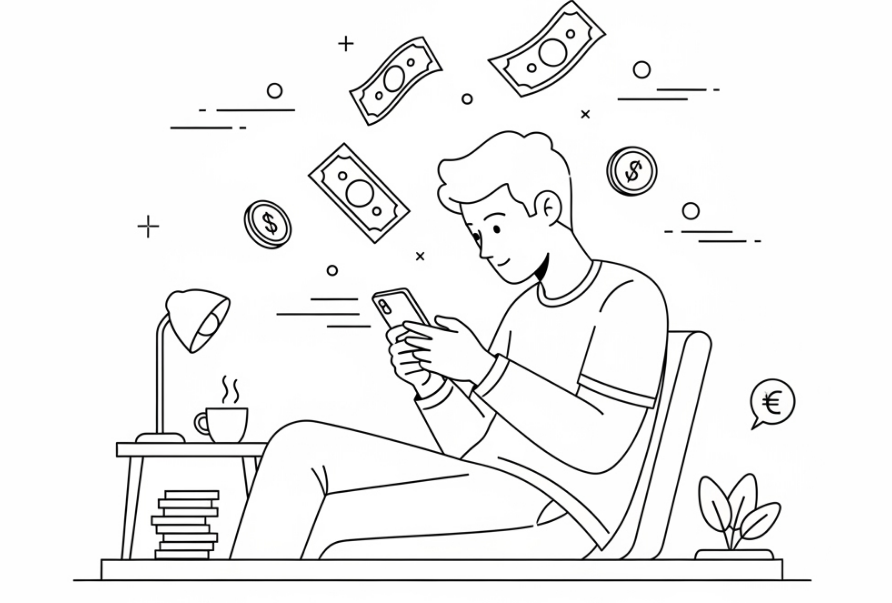
Over the last five years, digital service spending in the USA increased by more than 15%. This trend directly affects Android mobile gaming. Most gamers spend $20–$40 per month (source), and players active across several games often spend twice as much because they invest in multiple titles at the same time. Here are some typical expenses:
- Microtransactions: Many players buy several small items every month. Often, the average purchase is $5–$20, and repeated spending makes the total much higher.
- Season passes: Battle Passes renew every 4–8 weeks, and they cost $10–$15 each.
- Premium services: Free-to-play games often offer daily bonuses through paid subscriptions. These usually cost $4–$30 per month.
One More Subscription
The industry shifted from one-time purchases to ongoing services: platform bundles, VIP game passes, and cloud gaming all push recurring revenue. Low-cost bundles (for example, platform subscription services that package many games) make memberships more appealing and encourage more frequent sign-ups. Cloud services further accelerate this trend by replacing individual game purchases with monthly fees.
Who Spends the Most?
The highest spenders tend to be adults aged roughly 25–44. This group usually has a stable income but less free time, so they often buy boosters, time-saving items, or premium subscriptions to advance without long grind sessions. Also, they tend to upgrade devices more frequently, trying to be more modern.
Mobile Internet and Data Costs

Mobile data has become more expensive in recent years because of higher demand, heavier apps, and the expansion of 5G networks. At the same time, Android mobile gaming now uses far more data than it used to. This is especially true for cloud gaming and online multiplayer titles, which stream large amounts of information every second.
As a result, many players switch to more expensive data plans with higher speeds and bigger monthly limits to avoid speed reductions or extra charges for going over the limit. These plans often add another $20–$35 to the monthly bill.
Device Upgrades and Extra Tech Costs
Modern mobile games require 120 – 140Hz displays and stronger processors. So, many players upgrade their phones almost every year. The average smartphone price in the USA is over $800, and models with better cooling and more storage cost even more than $1,000. Some players also buy extra items to make the experience more comfortable:
- Decor and accessories: Things like cases, screen protectors, cooling fans, and power banks usually add $60–$150.
- Comfort upgrades: Items like cooling grips or finger sleeves help make long mobile gaming sessions more comfortable.
- Android Mobile controllers: They can be very helpful for fast action, so many players use mobile gaming controllers to improve the gameplay.
With all the additional payments, upgrades can be very expensive, so many gamers try to spread the cost through monthly installments instead of paying everything at once. Some turn to trusted financing companies, getting approved for a new cell phone with a soft credit check and predictable monthly payments. Others choose carrier financing, buy-now-pay-later options, or upgrade programs that also make it possible to manage frequent upgrades and extra accessories.
The Hidden Psychological Costs
Mobile games often make you spend more than you planned, as many of them are based on quick rewards. There are some things like daily gifts, fast progress, or small bonuses that feel good and keep you playing longer. These features are designed to grab your attention and make the game feel more exciting, which is why players sometimes make quick, unplanned purchases.
Free-to-play games also mix in urgency and competition to push you toward spending. Limited-time deals, pressure to keep up with other players, or small upgrades that “boost your progress” all work together to make spending feel normal. Key elements that affect you are:
- Fast reward cycles that keep you coming back
- Limited-time offers that make you decide quickly
- Social pressure and rankings that make you want to be first
How to Stay Financially Balanced in 2026
The most important thing is to keep control of your expenses, especially if you play mobile games often. To make this easier, you can follow a few simple steps:
- Focus your spending on several top games. When you switch between too many titles, you may spend more because each offers premium options.
- Limit your payments and check subscriptions. Review them every month to remove unused services.
- Buy a new phone only when needed. A mid-range device is enough for most games.
- Use free rewards. Many games offer bonuses that you don’t need to pay for.
In 2026, mobile gaming requires regular expenses, but with careful management, smart upgrades, and budget planning, it can be an enjoyable hobby without financial pressure.
Optimize Your Gaming Setup
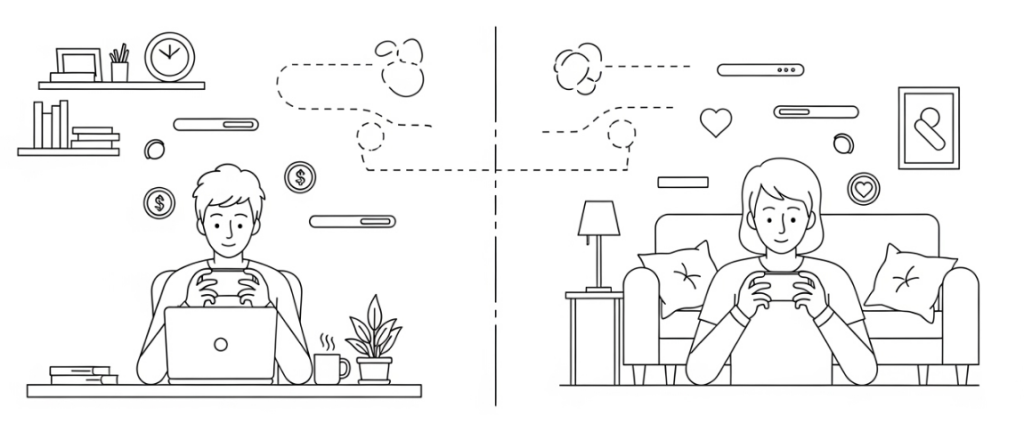
A smooth mobile gaming experience is not just about spending more money. Smart setup choices can improve performance, save battery, and make gameplay more comfortable. Small changes in how you play can make a big difference over time.
- Adjust Game Settings: Lower graphics or frame rates if needed. This helps reduce lag and keeps your device running smoothly.
- Manage Storage Space: Keep enough free space on your phone. Full storage can slow down games and affect performance.
- Use Stable Internet: Switch to Wi-Fi when possible. It reduces data costs and gives more stable gameplay.
- Control Battery Usage: Turn off background apps while gaming. This helps your battery last longer during long sessions.
- Keep Your Device Cool: Avoid overheating by playing in a cool place. Overheating can slow down your phone and damage it over time.
Concluding Notes
Mobile gaming in 2026 comes with real costs, from subscriptions to devices and data plans. Staying aware of your spending, time, and habits helps you enjoy gaming without pressure. With smart choices and balance, it can remain a fun and manageable part of your routine.