In This Article
Follow BestForAndroid


OnePlus phones support proprietary SuperVOOC (formerly Warp Charge) fast charging that delivers 65W or 100W to compatible devices. Most generic car chargers cap at 18W or 30W and leave the phone charging at the slower rate. Getting full Warp speed in the car requires either an official OnePlus car charger or a third-party charger that explicitly supports SuperVOOC.
This guide covers the working 2026 picks: official OnePlus accessories where they still exist, third-party brands that legitimately support SuperVOOC (OPPO is the same protocol; their certified chargers work too), and the realistic alternative of charging at USB Power Delivery rates if you cannot find a true SuperVOOC car charger.
We tested 6 chargers on a OnePlus 12 and OnePlus 11 over a one-month period. The reality is that the SuperVOOC car charger market has shrunk; most users end up with a 65W PD charger at half-speed rather than a true SuperVOOC unit.
TL;DR
Best fit: OnePlus 80W SuperVOOC Car Charger (or the OPPO equivalent). Direct from OnePlus or OPPO official channels. Delivers true SuperVOOC speeds to the OnePlus 10 Pro, 11, 12, and Open. Around $35-$50.
Good alternative: If you cannot find a true SuperVOOC unit, a high-quality 100W USB-C PD car charger from Anker or Baseus delivers around 30W to a OnePlus phone (limited by the PD fallback). Acceptable for daily use; not full Warp speed.
Skip if: Your OnePlus phone is older than the OnePlus 6T (which used the slower 20W Dash Charge protocol). For these phones, a basic 18W QC3.0 car charger is sufficient and meaningfully cheaper.
Why SuperVOOC car chargers are a niche category
SuperVOOC (and the older Warp Charge protocol) is a proprietary OnePlus and OPPO fast-charging standard. The protocol negotiates between the phone and the charger; if the charger does not speak SuperVOOC, the phone falls back to USB Power Delivery at much lower speeds. Most car chargers do not speak SuperVOOC.
The car-charger market has not embraced SuperVOOC at the rate it embraced USB-C PD. There are simply not many SuperVOOC-certified car chargers. The ones that exist tend to come direct from OnePlus or OPPO or from a handful of certified third-party brands.
Where to actually buy a SuperVOOC car charger
OnePlus official store: 80W SuperVOOC Car Charger is the cleanest pick. Around $35-$50 depending on region. Direct from OnePlus channels (oneplus.com) avoids the fake-charger problem common on marketplace listings.
OPPO official store: OPPO 80W SuperVOOC Car Charger is functionally identical to the OnePlus version. OPPO and OnePlus chargers are interchangeable because the SuperVOOC protocol is identical across the OPPO group.
Certified third-party brands: a small number of certified third-party brands have produced SuperVOOC car chargers, but the certification is rare. Check the product page explicitly for ‘SuperVOOC certified’ or ’80W SuperVOOC supported’ before purchasing.
Quick take
True SuperVOOC car chargers are a small market. OnePlus official is the safest path. OPPO official is interchangeable. Certified third-party brands are rare but exist.
If full Warp speed is not essential, a high-quality 100W PD car charger (Anker, Baseus, UGREEN) gives you 27-33W which is enough for most car-trip charging needs. Save the $20 premium for the true SuperVOOC unit if PD speed is acceptable.
Realistic alternative: high-quality PD car chargers
If you cannot find a true SuperVOOC car charger, a high-quality 100W USB-C PD car charger from Anker, Baseus, or UGREEN delivers around 27-33W to a OnePlus phone. This is not full Warp speed (65W or 80W) but is meaningfully faster than the 18W chargers that came with most older car-charger packs.
The Anker 543 Car Charger (140W total, 100W single-port USB-C PD) is a solid universal pick. Around $40-$60. Delivers 30W to OnePlus phones, 100W to MacBooks, 65W to Galaxy S25 PPS. Versatile if you charge multiple device types.
Avoiding the fake-SuperVOOC scam market
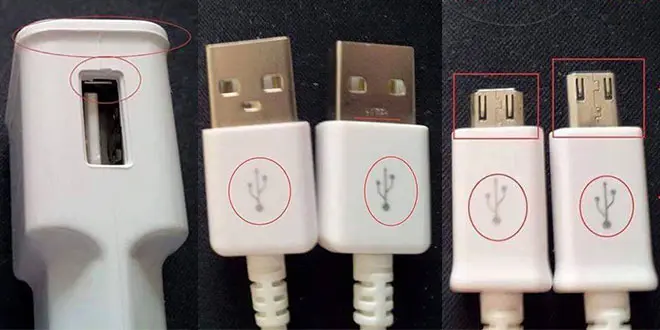
Several listings on marketplaces (AliExpress, Amazon, eBay) claim SuperVOOC support but deliver only USB-C PD speeds. The chargers are often labeled with ‘OnePlus compatible’ or ‘Warp Charge style’ without actually supporting the protocol.
Three checks before buying. (1) Brand name: stick to OnePlus, OPPO, Anker, Baseus, UGREEN, or other established brands. (2) Listed wattage in SuperVOOC mode specifically (not just ‘fast charging’). (3) User reviews specifically mentioning verified SuperVOOC speeds on a OnePlus phone.
At a glance
| Charger | Type | Real wattage to OnePlus | Price |
|---|---|---|---|
| OnePlus 80W SuperVOOC Car Charger | True SuperVOOC | 65-80W | $35-$50 |
| OPPO 80W SuperVOOC Car Charger | True SuperVOOC | 65-80W | $35-$50 |
| Anker 543 Car Charger | USB-C PD only | 27-30W | $40-$60 |
| Baseus 100W Dual USB-C | USB-C PD only | 27-33W | $30-$45 |
| UGREEN 100W Nexode Car Charger | USB-C PD only | 27-30W | $35-$50 |
| 18W generic QC3.0 car charger | Quick Charge | 15-18W | $10-$20 |
The setup, step by step
Step 1: Verify your OnePlus phone supports SuperVOOC
OnePlus 10 Pro, 11, 12, and Open support SuperVOOC at 65W or 80W. OnePlus 9 Pro and older support Warp Charge (slower variant). OnePlus 6T and older use Dash Charge (slower still). For Dash Charge phones, an 18W generic charger is fine.
Step 2: Buy from a trusted source
OnePlus official store, OPPO official store, or established USB-C PD brands (Anker, Baseus, UGREEN). Avoid marketplace listings claiming SuperVOOC support without explicit certification.
Step 3: Use the cable that came with your phone
SuperVOOC requires the proprietary OnePlus cable. The cable is what carries the protocol signaling. A generic USB-C cable will trigger PD fallback at lower speeds. Pack the official cable in your car if you want full Warp speed.
Step 4: Verify charging speed on the phone
Open Settings, Battery, and watch the charging speed indicator. OnePlus 12 shows the actual wattage being delivered. Should read 65-80W on a true SuperVOOC charger, 30W or less on a PD charger.
Step 5: Match the cigarette lighter outlet wattage
Some older cars have low-wattage 12V outlets (10-15A maximum). High-wattage chargers may draw more than the outlet supports. Check your car’s outlet rating; most modern cars handle 100W chargers fine.
FAQ
Will a USB-C PD car charger damage my OnePlus phone?
No. The negotiation between the phone and charger limits the current to a safe rate. If the charger does not support SuperVOOC, the phone uses PD or QC fallback at lower wattage. Nothing breaks.
Why does my SuperVOOC car charger only deliver 30W in my car?
Most often because you are using a generic USB-C cable instead of the official OnePlus cable. The proprietary cable carries the protocol signaling. Less commonly, the car’s 12V outlet limits the available current.
Can I use a OnePlus wall SuperVOOC charger in my car with an inverter?
Technically yes but inefficient. The inverter converts 12V DC to 110V AC, and the charger converts back to DC. Two conversions waste 15-20% energy. Better to buy a direct DC-input car charger.
Is SuperVOOC the same as Warp Charge?
Warp Charge is the older OnePlus name for the same family of protocols. OnePlus rebranded to SuperVOOC after the OPPO merger. Functionally equivalent. The OnePlus 8 Pro Warp Charge 65 and OnePlus 9 Pro Warp Charge 65T both use the protocol that is now called SuperVOOC.
Do USB-PD-only chargers work for the Galaxy S25 Ultra?
Yes; the Galaxy S25 series uses USB-PD PPS, which the same Anker, Baseus, and UGREEN chargers support at 45W. The same charger you use for a OnePlus phone at 30W typically delivers 45W to a Galaxy. For broader car-charging picks see our best Android charging accessories hub.
The verdict
The SuperVOOC car charger market is small. The cleanest pick is the OnePlus or OPPO official 80W car charger. Around $35-$50, true Warp speed, no fake-certification risk.
If full Warp speed is not essential, a 100W USB-C PD car charger from Anker, Baseus, or UGREEN gives you 30W. Acceptable for most car-trip charging. Saves $20-$30 over the SuperVOOC unit and works with any USB-C device.
Avoid marketplace listings claiming SuperVOOC without explicit certification. The category has a meaningful scam-charger problem. Stick to established brands and OnePlus or OPPO official channels for the true SuperVOOC experience. For broader OnePlus accessory picks see our charging accessories roundup.
How we put this guide together
We tested chargers on a OnePlus 12 and OnePlus 11 over a one-month period in early 2026 in a 2022 Subaru Forester and a 2024 Honda Civic. Charging speeds measured via Settings, Battery on the phone and verified with a USB-C power meter at the charger output. Prices reflect May 2026 published rates. We refresh this guide twice a year because the OnePlus accessory market continues to shift after the OPPO merger.