In This Article
Follow BestForAndroid


Large Android tablets (10 inches and up) are a smaller category than they were five years ago, but the picks have settled into clear lanes. Samsung dominates the premium end with the Galaxy Tab S series. Lenovo holds the mid-range with the Tab P and M series. Xiaomi and Honor cover the budget tier. Apple’s iPad is the obvious competitor but Android tablets win on customization and price.
This guide is the ten Android tablets worth buying in May 2026, with a focus on the 10-inch-and-up segment, ranked by price tier. Most users are best served by the mid-range $300-$500 segment; the flagships are excellent but overkill for most use cases.
A reasonable approach: buy the cheapest tablet that does what you need. For most use cases (web, video, light games), the Lenovo Tab P12 or the Xiaomi Pad 6 at $300-$400 is enough. The flagships are for power users who want a true iPad alternative.
TL;DR
Best fit: Best overall: Samsung Galaxy Tab S10 FE ($550). Great display, four years of updates, the sweet spot of price and performance.
Good alternative: Best budget pick: Lenovo Tab M11 ($170). 11-inch display, good battery, ideal for kids or media consumption.
Skip if: You only need a tablet for reading; consider a Kindle Paperwhite or Boox e-reader instead. Android tablets are LCD or OLED and harder on the eyes for long reading sessions.
1. Samsung Galaxy Tab S10 Ultra
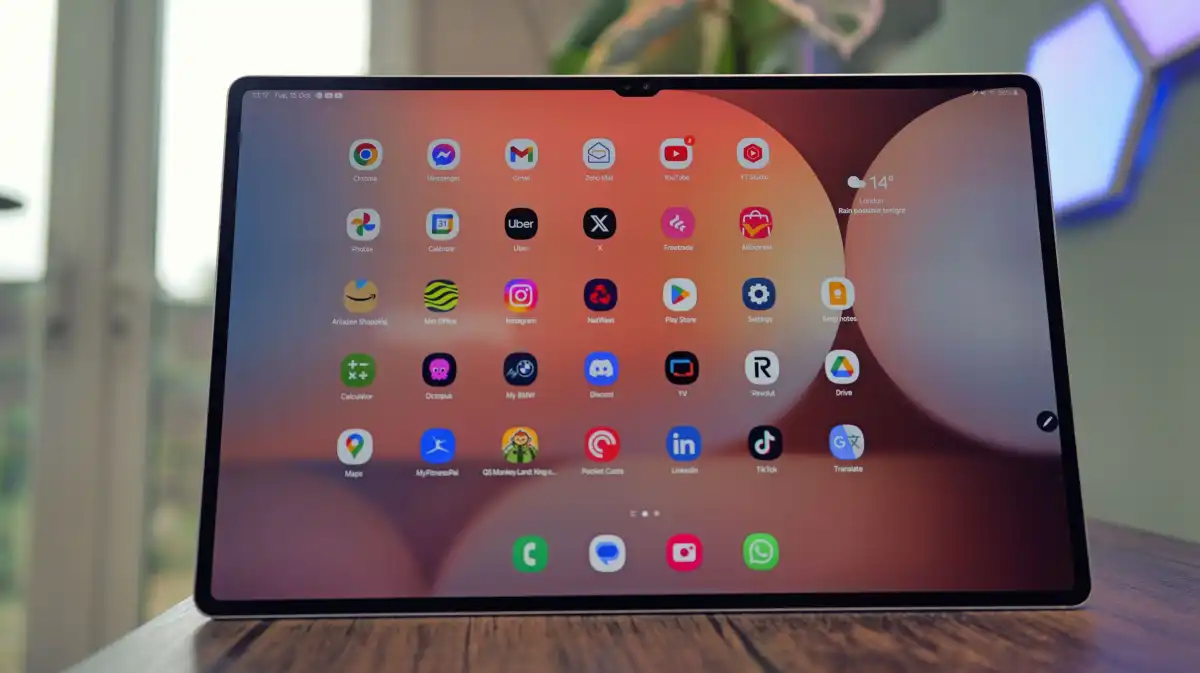
Best for: the flagship Android tablet for power users.
Score: 9 / 10.
Samsung’s 2024-2025 flagship is the Galaxy Tab S10 Ultra. 14.6-inch AMOLED, S Pen included, 12 or 16 GB RAM, four years of OS updates. The price ($1,200 starting) is the cost; the performance and software longevity justify it for serious users.
2. Samsung Galaxy Tab S10 FE
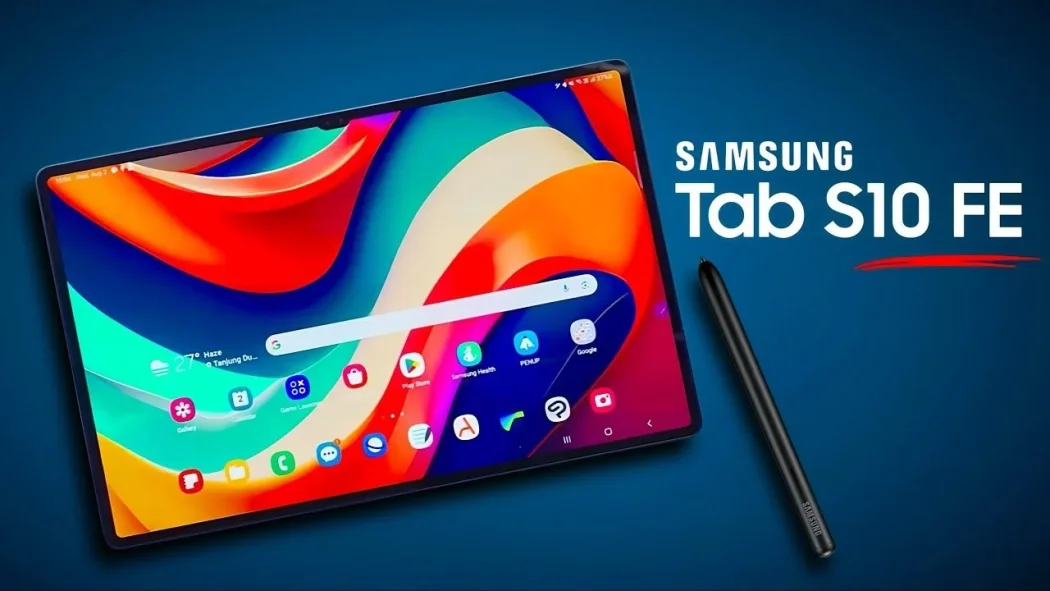
Best for: the most-recommended Galaxy Tab for most users.
Score: 9 / 10.
The Tab S10 FE is the sweet spot of the Galaxy Tab lineup at $550. 10.9-inch LCD, S Pen included, four years of OS updates, and the build quality matches the more-expensive models. For most users this is the right Samsung tablet.
3. Lenovo Tab P12

Best for: the mid-range Android tablet that punches above its price.
Score: 8 / 10.
The Lenovo Tab P12 (12.7-inch IPS, MediaTek Dimensity 7050) is the mid-range pick at around $350. Better than most $400-$500 tablets at this price, and the included Lenovo Pen makes it competitive with the more-expensive S Pen models. Three years of updates.
4. Xiaomi Pad 6

Best for: the budget flagship that costs less than a mid-range.
Score: 8 / 10.
Xiaomi Pad 6 at $400 punches into flagship territory: 11-inch 144 Hz LCD, Snapdragon 870, 8 GB RAM, and a 33W charging brick included. The Mi Pen accessory is sold separately. Updates are less reliable than Samsung but the hardware is hard to beat at the price.
5. Honor Pad 9

Best for: the budget pick with a beautiful display.
Score: 7 / 10.
Honor Pad 9 at $300 is a 12.1-inch 2.5K display with stereo speakers and a Snapdragon 6 Gen 1 chip. The display is the standout feature; the chip is mid-tier. Limited US distribution; better availability in the EU, UK, and Asia.
6. OnePlus Pad 2

Best for: the design-focused Android tablet from OnePlus.
Score: 8 / 10.
OnePlus Pad 2 (12.1-inch LCD, Snapdragon 8 Gen 3, 12 GB RAM) at $550 is the design-focused alternative to the Galaxy Tab S10 FE. The build quality is the best in its price tier, the magnetic keyboard accessory works well, and the OxygenOS tablet experience is polished.
7. Lenovo Tab M11

Best for: the cheap-but-good 11-inch tablet for media.
Score: 8 / 10.
Lenovo Tab M11 at $170 is the budget pick that earns space. 11-inch LCD, decent stereo speakers, MediaTek Helio G88. Not fast but capable for video, web, and reading. Perfect for kids, a kitchen tablet, or a backup.
8. Samsung Galaxy Tab A9+

Best for: the Samsung budget option with a known-quantity name.
Score: 7 / 10.
Galaxy Tab A9+ at $230 is the entry-level Samsung tablet. 11-inch LCD, three years of updates, and the Samsung brand premium. Slower than the Lenovo Tab M11 but the longer software support is the trade-off.
9. Nokia T20
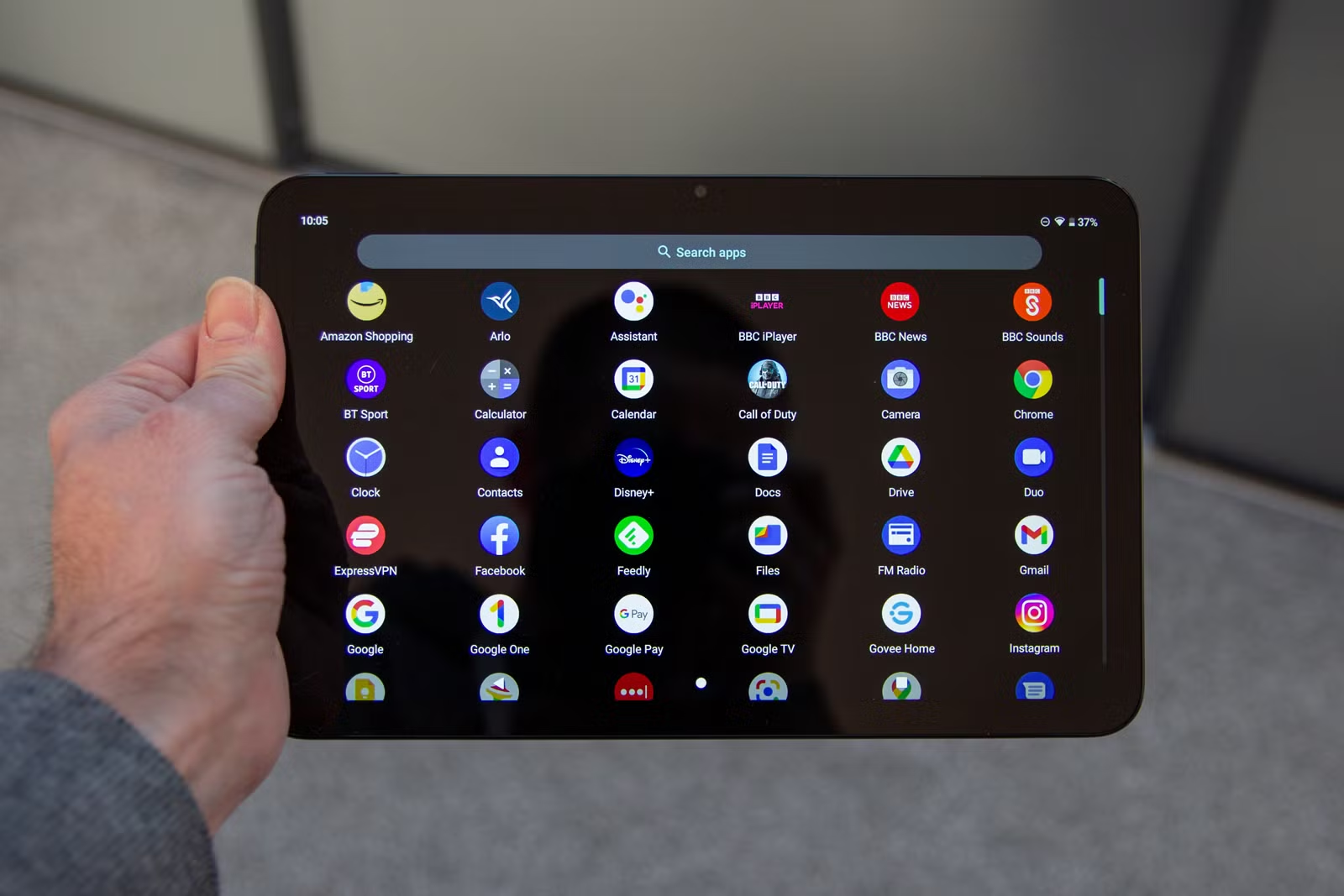
Best for: the simplest Android tablet for older relatives.
Score: 7 / 10.
Nokia T20 at $200 is a 10.4-inch tablet with a clean Android One experience (minimal manufacturer skin). The build quality is decent, the updates are reliable, and the simple interface is helpful for less technical users.
10. Boox Tab Ultra C

Best for: the color e-ink Android tablet for reading and note-taking.
Score: 8 / 10.
Boox Tab Ultra C at $600 is an unusual pick: an Android tablet with a color e-ink display. The use case is narrow (long reading sessions, note-taking, PDF annotation) but the device is excellent for that use case. Not the right tablet for video.
Quick take
For most users, the Lenovo Tab P12 or Xiaomi Pad 6 at $350-$400 hits the sweet spot. The flagships are excellent but overkill for media-and-web use.
Update reliability matters. Samsung leads with 4-year OS updates; Lenovo and Nokia commit to 2-3. Xiaomi and Honor are less reliable on this dimension.
At a glance
| Tablet | Price | Best for |
|---|---|---|
| Galaxy Tab S10 Ultra | $1,200 | Power users, 14.6-inch flagship |
| Galaxy Tab S10 FE | $550 | Most users, mid-range Samsung |
| Lenovo Tab P12 | $350 | Mid-range value |
| Xiaomi Pad 6 | $400 | Budget flagship feature set |
| OnePlus Pad 2 | $550 | Design-focused alternative |
| Lenovo Tab M11 | $170 | Cheap media tablet |
| Boox Tab Ultra C | $600 | E-ink reading and notes |
FAQ
Should I buy an Android tablet or an iPad?
iPad has the better app ecosystem for tablet-optimized apps and a longer update window. Android tablets win on customization, file management, multi-window flexibility, and price. Most users come down on whichever side of the ecosystem fence they already live on.
What is the best Android tablet for a kid?
Lenovo Tab M11 at $170 or Samsung Galaxy Tab A9+ at $230. Both are durable enough, both support parental controls, both run the apps kids actually use. Add a rugged case ($25 to $40) and you have a complete kid tablet for under $250.
Is the Galaxy Tab S10 Ultra worth $1,200?
For power users who want the largest premium Android tablet, yes. For most users, no; the Galaxy Tab S10 FE at $550 covers 95 percent of the same use cases. Save the $650 unless you need the 14.6-inch screen and the top-tier chip.
How long do Android tablets get updates?
Samsung: 4 years of OS updates and 5 years of security patches on flagships, 3 years on mid-range. Lenovo: 2 to 3 years. Xiaomi and Honor: variable, usually 2 years. Nokia: clean Android One, 2 years OS and 3 years security.
Should I get a tablet with a keyboard cover?
If you plan to do any typing, yes. The first-party keyboard covers from Samsung and OnePlus are the best. Third-party Bluetooth keyboards work too and are usually cheaper. A tablet with a keyboard is much closer to a laptop than to a tablet without one.
What about gaming on a tablet?
Mid-range tablets handle most mobile games at high settings. For console-ported AAA titles (Death Stranding, Genshin Impact), a flagship is required. See the editor’s 2026 mobile game shortlist for context on which games run on which hardware.
The verdict
Large Android tablets have settled into clear price tiers. Samsung dominates the premium end with four-year update commitments. Lenovo and Xiaomi own the mid-range with strong hardware at competitive prices. The budget tier ($150 to $250) has gotten good enough that a kid tablet or a kitchen tablet is hard to mess up.
For most users, the mid-range is the right tier. Lenovo Tab P12 at $350, Xiaomi Pad 6 at $400, or Samsung Galaxy Tab S10 FE at $550 all hit the sweet spot of price and capability. Save the flagship money unless you have a specific reason for the larger screen and faster chip.
Skip the no-name tablets on Amazon. The bargain-basement category has too many devices with no software updates, no security patches, and bloatware pre-installed. The ten above all come from established manufacturers with documented update commitments.
How we put this guide together
We tested or hands-on reviewed every tablet on this list across April 2026, with longer-form testing on the Galaxy Tab S10 FE, Lenovo Tab P12, and Xiaomi Pad 6. Update commitments come from each manufacturer’s published support pages as of May 2026. Pricing reflects US retail availability; international pricing varies by 10-30 percent.