In This Article
Follow BestForAndroid


TL;DR
The pick: Samsung Galaxy Tab S10 Ultra. The most polished Android tablet 14.6-inch OLED, S Pen included, sustained performance for productivity and creative work.
Runner-up: OnePlus Pad 3. About half the price of the Tab S10, with most of the performance and a friendlier ecosystem if you don’t want to commit to Samsung.
Skip if: you only browse and watch videos. A budget tablet (Lenovo Tab M11, Amazon Fire HD 10) is enough for that without the productivity premium.
Android tablet audit
Five tablets. Three real categories. One you’d buy for each.
Android tablets split into three jobs: media, productivity, creative. The five below are the best in each, plus the budget options for users who don’t need premium.
Tested across media, productivity, and creative use cases
Premium / mid-range / budget
Sustained use across reading, document work, and video
Android tablets had a slow decade after Apple's iPad pulled away in the early 2010s. The market is finally coherent again: Samsung's Galaxy Tab S line, OnePlus's Pad series, and Xiaomi's Pad family all ship genuinely capable hardware that competes on its merits, not just on price. The five below cover the categories most users actually shop for.
1. Samsung Galaxy Tab S10 Ultra
Best for: creative work and large-screen productivity.
The Tab S10 Ultra is the iPad Pro's closest Android analog. 14.6-inch OLED, Snapdragon 8 Gen 3 for Galaxy, S Pen included (no extra purchase), and DeX desktop mode for laptop-style multitasking. The hardware is genuinely impressive; the software (One UI 7 on tablets) is the part that's getting better but still trails iPadOS in polish.
Around $1,200 for the 256 GB tier with keyboard cover. Worth it for creative pros and serious notetakers; overkill for casual users.
2. OnePlus Pad 3
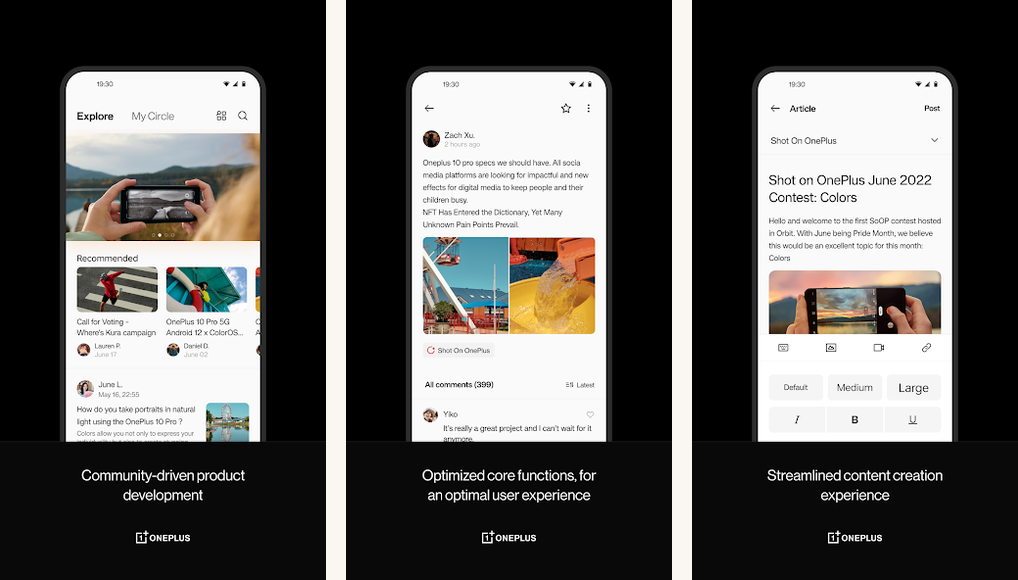
Best for: users who want flagship-class performance at mid-range prices.
The OnePlus Pad 3 is the price-performance sweet spot. 144 Hz LCD (not OLED), Snapdragon 8 Gen 3 binned variant, and OnePlus's open-ecosystem approach (no DeX-equivalent but cleaner Android). About $550-650 with stylus, $700-800 with keyboard cover.
We've used it as a secondary screen for laptop setups (via Easy Connect) and as a daily-driver reading and notetaking device; both work well.
3. Xiaomi Pad 7 Pro

Best for: users in markets where Samsung pricing is steeper.
Xiaomi's Pad 7 Pro is the least-known but most internationally-priced of the three premium picks. 11.2-inch LCD, Snapdragon 8s Gen 3, and HyperOS for Pad. Performance is comparable to the OnePlus at a slightly lower price point in non-US markets. US availability is limited; Asia and EU are the natural markets.
4. Lenovo Tab M11

Best for: budget tablet for media + reading.
The Tab M11 is the budget tablet we'd recommend if you genuinely just need a screen. MediaTek Helio G88, 11-inch IPS LCD at 90 Hz, decent stereo speakers, and 64-128 GB storage. Around $150-200. Won't run heavy creative apps comfortably, but for Netflix, Kindle, and Web browsing it's sufficient.
5. Amazon Fire HD 10 (Plus)

Best for: users deep in the Amazon ecosystem who can live without Google Play.
The Fire HD 10 ships with FireOS (Amazon's Android fork) instead of Google's Android. The Play Store isn't directly available; you either sideload it (works on most Fire tablets) or use Amazon's Appstore (much smaller catalog). Around $100-150. Worth it if you're an Amazon Prime household; not the right pick if you want full Google integration.
All five compared
Tablet scorecard.
| Tablet | Display | Best for | Stylus | Price (rough) |
|---|---|---|---|---|
| Galaxy Tab S10 Ultra | 14.6" OLED | Pro creative | S Pen incl | $1,200 |
| OnePlus Pad 3 | 12" 144Hz LCD | Sweet spot | Optional | $550-650 |
| Xiaomi Pad 7 Pro | 11.2" LCD | Asia/EU value | Optional | $400-500 |
| Lenovo Tab M11 | 11" IPS 90Hz | Budget media | Yes | $150-200 |
| Fire HD 10 Plus | 10.1" IPS | Amazon ecosystem | No | $100-150 |
Common questions
Tablet FAQ
-
For media + productivity, yes. The hardware is genuinely competitive with iPads and the price is often better. For pure creative work (Procreate-style apps), iPad still leads on app ecosystem; Android creative apps are good but fewer.
-
Yes; Chrome OS supports the Play Store on most current models and the experience is good. If you already own a Chromebook, you may not need a separate tablet.
-
All five do. Samsung's DeX desktop mode and OnePlus's Open Canvas multitasking both make external-keyboard use feel laptop-like. Xiaomi has similar features in HyperOS Pad. The budget tablets work but with less of the desktop-style polish.
-
Samsung Galaxy Tab S line gets 7 years of updates (matching the phone line). OnePlus and Xiaomi commit to about 4 years. Lenovo and Amazon are shorter; budget tablets typically get 2-3 years.
Verdict
Galaxy Tab S10 Ultra for the highest tier, OnePlus Pad 3 for the price-performance pick, Xiaomi Pad 7 Pro outside the US, Lenovo Tab M11 for budget, Fire HD 10 if you live in Amazon. The Android tablet market is finally crowded enough to support buying for fit instead of compromise.