In This Article
Follow BestForAndroid


Short answer: Android fleet apps turn a driver’s phone, or a tracker wired to the vehicle, into live GPS, geofence alerts, engine telematics, driver scorecards, and a searchable record of every trip. For most small and mid-sized fleets the leading options are Samsara, Motive, Verizon Connect, and Quartix, which trade off video coaching, refresh speed, and price.

A handful of unaccounted-for vehicles is a quiet drain on any business. Once a fleet spreads across a city or a region, a manager loses the easy answers: where the vans actually are, which one is idling for an hour, when the brakes were last checked. Companies that deliver packages, service equipment, or move goods all live with that gap, and it widens with every truck they add.
Android fleet management apps close it without a back-office overhaul. They lean on hardware most teams already own, the driver’s phone, and pull GPS tracking, record keeping, and live vehicle data into one place. The features below are the ones that move the needle for small and mid-sized fleets, with a look at how the leading apps handle each.
Real-Time Vehicle Tracking with GPS
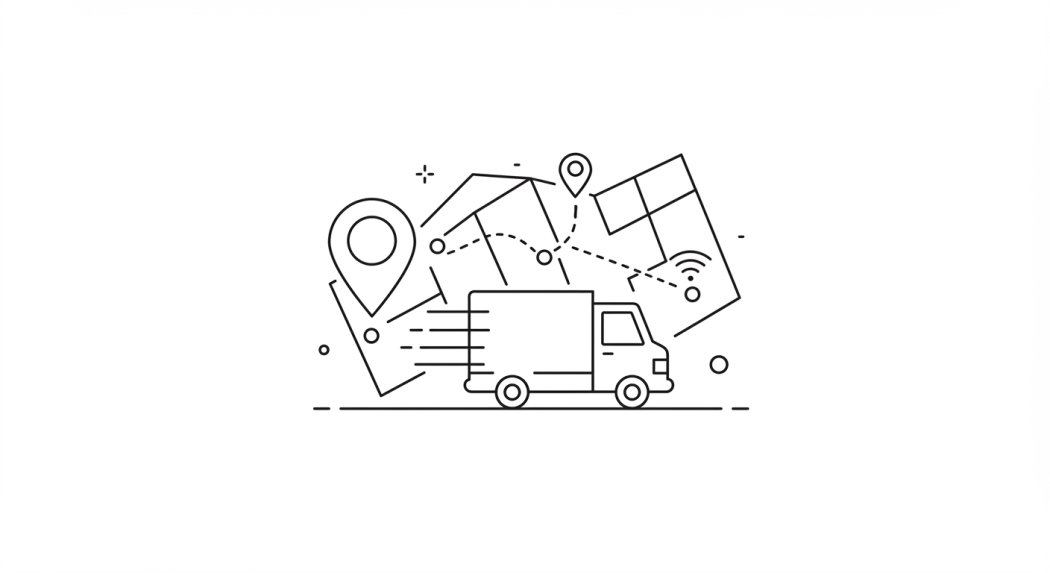
Tracking is where most fleets start, because it answers the question managers ask all day: where is that vehicle right now. A fleet app turns each driver’s phone into a live beacon. Have them install the app and leave location services on, and you get a map view of every vehicle’s position, speed, and direction, with no extra hardware bolted to the dash.
Phone-only tracking has a ceiling, though. It cannot read what the vehicle itself reports, things like battery, odometer, or engine status, because those live behind the onboard diagnostics (OBD-II) port and need a tracker wired to it. For a lean operation that just wants to know where the trucks are, the phone is enough, and it spares you the upfront cost of a dedicated GPS device on every vehicle.
Refresh rate is the spec that separates the serious apps here. Motive, the platform formerly sold as KeepTruckin, advertises GPS updates roughly every one to three seconds, which is close enough to live for dispatch decisions. Verizon Connect refreshes on a slower cadence, around thirty seconds by its own published guidance, which is fine for routing but lags for minute-by-minute coordination. Samsara and Quartix both ship full Android driver apps that do the same core job.
Geofencing for Automated Records
Geofencing takes that same location data and puts it to work without anyone watching the map. You draw a virtual boundary around a place that matters, a depot, a customer site, a no-go zone, and the app fires an alert the moment a vehicle crosses it. Because the boundary lives in software, you can set one up around any address in a few taps using the location feed from a GPS-enabled phone.
The payoff is records that write themselves. Every arrival and departure at a job site, route stop, or frequent location lands in the log automatically, which keeps timesheets honest and arrival times accurate without a single manual entry. The same trigger doubles as a security tripwire: if a vehicle leaves an area it should be sitting in, say overnight or outside working hours, the app flags it. Samsara and Geotab both fold geofence-breach events straight into their safety and maintenance workflows rather than leaving them as standalone pings.
Track Real-Time Vehicle Data
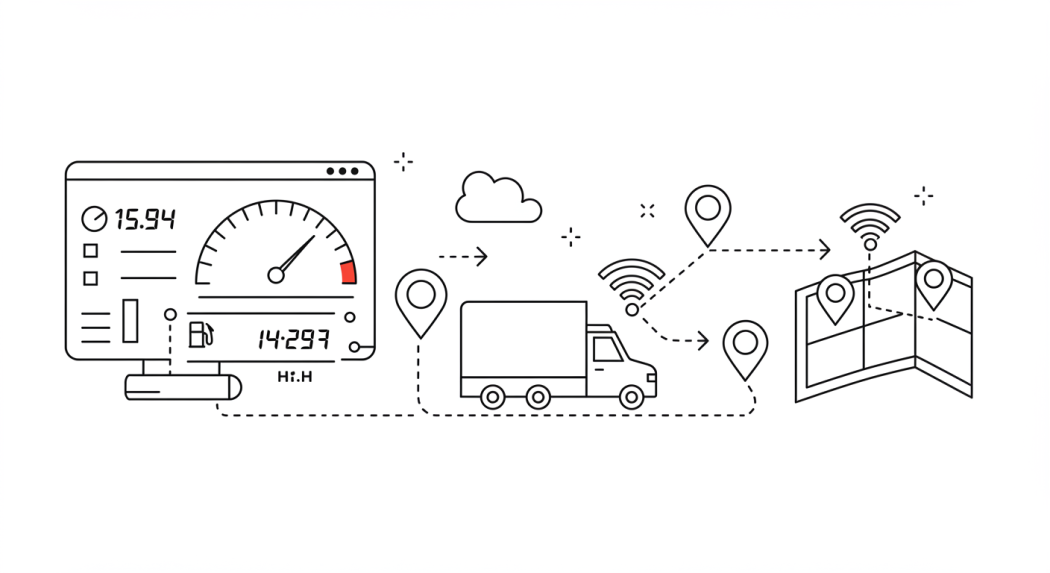
When you need to know the health of the vehicle and not just its dot on a map, the phone hands off to in-vehicle telematics. A tracker plugged into the diagnostic port streams what the engine actually reports: odometer reading, fuel level, engine status and temperature, and a more accurate speed than GPS alone gives you. That feed is what turns reactive repairs into scheduled ones.
An award-winning vehicle tracking app like Quartix builds its reputation on exactly this kind of clean, real-time reporting, paired with short contracts and budget pricing that lands around sixteen dollars per vehicle a month in the US. The trade-off is scope: Quartix focuses on tracking, reports, and driver scoring, and skips the AI dashcams and built-in dispatch that heavier platforms include. If video coaching matters to you, that is where Samsara and Motive pull ahead. Whichever you pick, real-time visibility lets a manager catch a problem and reroute before it turns into a missed delivery.
Monitoring Driver Behavior
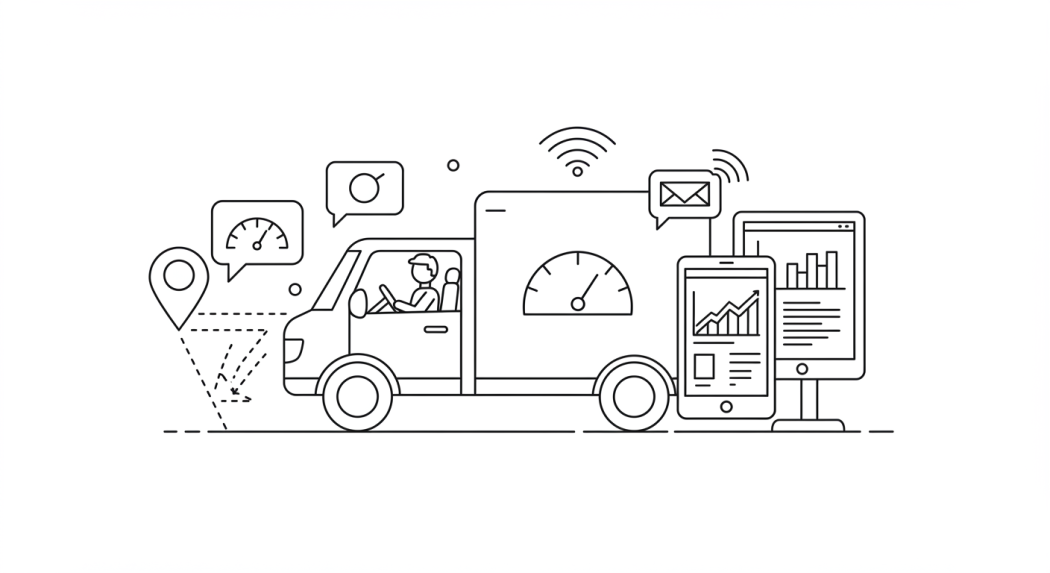
The same data that tracks a vehicle can score the person driving it. Fleet apps analyze speed, braking, cornering, idle time, and live diagnostics, then roll the patterns up into a per-driver picture that holds steady over weeks rather than reacting to a single bad day.
Most platforms package this as a scorecard or league table so coaching has something concrete to point at. Quartix publishes a driver league table that ranks the whole team; Samsara leans on in-cab AI to flag risky events as they happen and prompt the driver in the moment; Motive and Azuga add context to their scoring by factoring in vehicle type, weather, and traffic so a careful driver in heavy rain is not unfairly dinged. The point of all of it is the same: turn raw habit data into targeted feedback, and pair it with reward systems that give safe drivers a reason to keep it up. Idling alone is worth chasing, since fuel-saving programs built on this kind of monitoring routinely report double-digit percentage cuts in idle time.
| App | Strength | Best for |
|---|---|---|
| Samsara | AI dashcams and in-cab driver coaching, plus ELD compliance | Safety-first fleets that want video evidence and live coaching |
| Motive | Roughly one-to-three-second GPS refresh; strong dispatch and ELD | Operations that need near-live tracking and routing |
| Verizon Connect | Broad telematics with EV battery monitoring; about thirty-second updates | Mixed or electrifying fleets wanting one mature platform |
| Quartix | Budget pricing near sixteen dollars per vehicle monthly, short contracts, driver league table | Small fleets that want clean tracking and scoring without video |
Automated Record Keeping
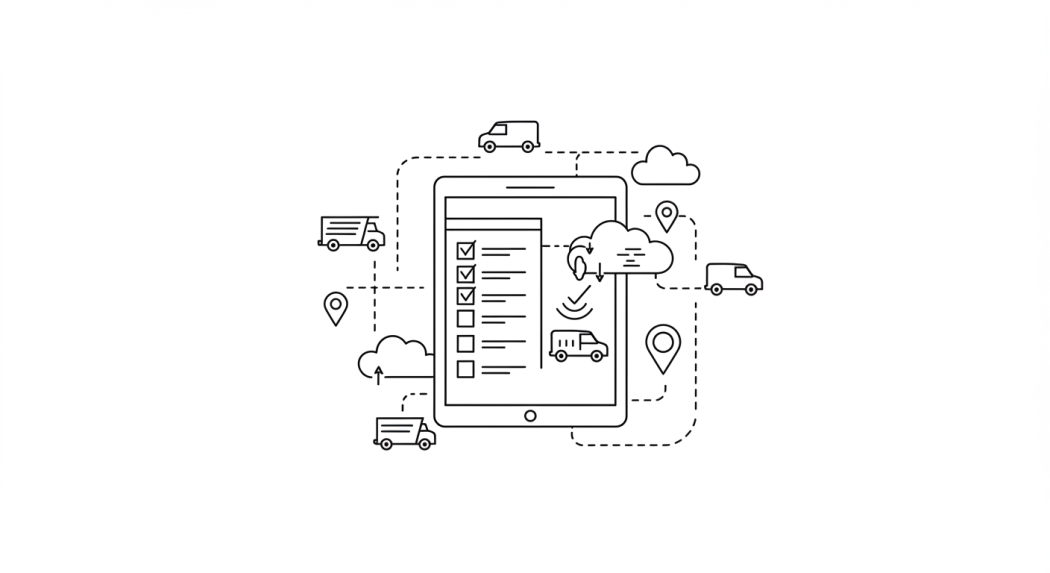
Managers run on facts and figures, the numbers they hand to customers, report up to supervisors, or use to plan next quarter. A web-based fleet system replaces the handwritten log with an online database that takes entries any time and keeps them searchable. When you need a specific trip, repair, or driver record later, you search instead of dig, and you can do it from anywhere rather than from a filing cabinet at the depot.
That cloud backbone also makes the phones themselves manageable at scale, which is the unglamorous part of running a fleet on Android. Rather than handing each driver a device and hoping they configure it right, IT teams lean on Android Enterprise device management to push apps and policies from one console. Android’s dedicated-device provisioning takes it further, pinning each phone to a single app so drivers cannot wander off into other software. The result is transparent, consistent records and a lot less time lost to manual setup.
Choosing an App and Counting the Return
Once the hardware question is settled, picking between platforms comes down to a short list of trade-offs. Work through these in order, because each one rules out options before you ever look at a quote:
- Coverage you need: live location only, or full engine telematics from an OBD-II tracker.
- Video and coaching: an AI dashcam adds real safety value but also real cost, so weigh it against your incident history.
- Compliance: regulated fleets often need electronic logging, which Samsara and Motive build in and lighter apps do not.
- Pricing and contracts: per-vehicle monthly fees and contract length vary widely, so a small fleet may favor Quartix’s short terms.
- Scale of devices: if you are managing dozens of phones, lean on Android Enterprise enrollment rather than configuring each one by hand.
The return shows up in the numbers these features were built to move. Tighter routing and less idling trim fuel; geofence logs and automated records cut the admin hours that used to go into timesheets and paperwork; driver scoring nudges down the speeding and harsh braking that drive up insurance and repair bills. None of it requires a fleet of new vehicles, only better visibility into the ones you already run. If you want a broader shortlist before you commit, Android Authority keeps a running comparison of the best GPS tracker apps for Android.
The Bottom Line for Android Fleets
Android fleet apps have grown from simple dot-on-a-map trackers into the operational hub of a small fleet. They handle live GPS, geofence alerts, engine telematics, driver coaching, and a searchable record of every trip, and they do it on hardware most teams already carry. The leading platforms, Samsara, Motive, Verizon Connect, and Quartix, mostly differ in how much video, refresh speed, and price you want, not in whether they cover the basics.
What keeps Android the practical choice is the ecosystem underneath the apps. With Android Enterprise positioned as the management framework for company devices and Google steadily adding automation to provisioning, a fleet can deploy and lock down driver phones at scale without bespoke tooling. For most small and mid-sized operations, the smart move is to map your real needs to the trade-offs above, then start with a short contract so you can switch if the fit is wrong.