In This Article
Follow BestForAndroid


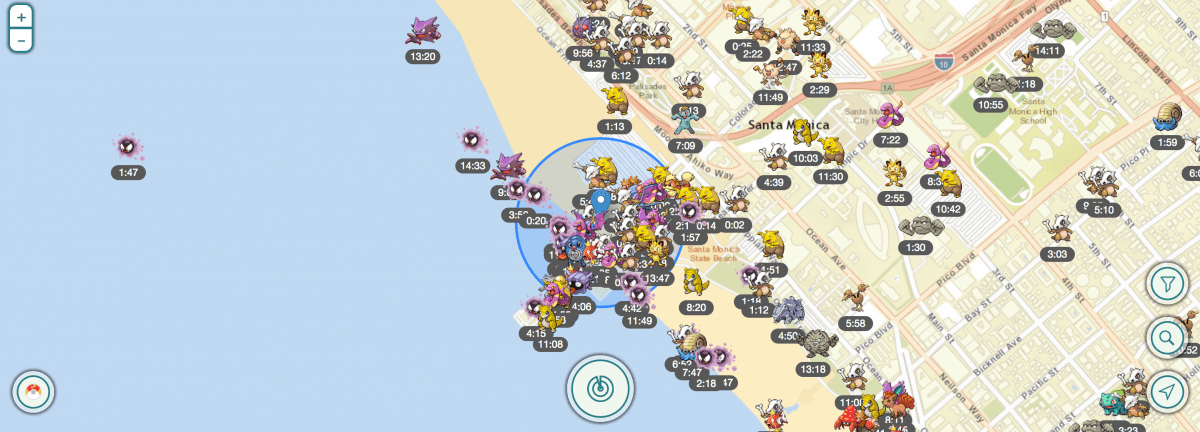
Pokemon GO coordinate-sharing was a community workaround-2019 when scanners were dead but spoofing was still relatively safe. Users posted spawn coordinates in Discord and Reddit; spoofers teleported to the location to catch the Pokemon. The risk landscape has changed materially since then.
sharing or using coordinates carries direct ToS-violation risk for the spoofer and indirect ToS risk for the person sharing. Niantic’s anti-spoofing detection has improved every year since 2019, with the device-attestation rollout and the hardware-fingerprinting updates closing most workarounds. Most active spoofers are caught within weeks.
This guide explains the current ban risk for coordinate-sharing and spoofing, the legitimate community-coordinated raid system that replaced coordinate sharing, and the practical hunting strategy for a 2026 Pokemon GO player who wants to play seriously without losing the account.
TL;DR
Why coordinates are risky: Sharing or using leads to spoofing, which triggers Niantic’s three-strike ban path. Permanent ban is the eventual outcome.
Legitimate substitute: Remote Raid Pass + PokeGenie or a Discord raid server. Same Pokemon, zero ban risk.
Plan around the calendar: Community Day, Spotlight Hour, and habitat-density walking are the legitimate hunting strategies.
Why coordinate-sharing and spoofing are riskier now
Niantic’s three-strike ban policy: first detection triggers a 7-day soft ban (shadow ban, the player cannot interact with the spawns or raids around them), second triggers 30-day suspension, third triggers permanent ban. Recovery from permanent ban is rare; Niantic does not generally honor appeals from confirmed spoofers.
Device attestation (rolled out 2022 on Android via Play Integrity API and on iOS via DeviceCheck) checks that the phone running Pokemon GO is a real device, not an emulator. Most older spoofing methods (Tutu App, Niantic spoof clients on rooted devices) fail this check immediately and result in fast bans.
GPS anomaly detection: Niantic looks at the speed of location changes (teleport over 100 km in 30 seconds is a giveaway), the consistency of GPS coordinates with the device cellular and WiFi triangulation, and the historical movement pattern of the account. Sudden jumps to coordinates posted in community channels are easy to flag.
The legitimate community-coordinated raid system
Remote Raid Passes (introduced 2020, ongoing) are the official Niantic-sanctioned path to joining a raid at a distant location. You buy a Remote Raid Pass in-game, accept a friend’s invite to a raid, and you participate from anywhere in the world. The friend list cap is 200; the daily Remote Raid cap is 5 (with bonus events occasionally raising it).
Discord raid coordination servers (Pokebattler Raids, PoGoCoord) and apps like PokeGenie coordinate Remote Raid invites across thousands of players in real time. Open the app, see active raids worldwide, request an invite, get added to a raid lobby within seconds. Free, legitimate, and the primary way to raid widely.
This system replaced coordinate-sharing for most legitimate use cases. Instead of teleporting to a spawn (ban risk), you join a real raid hosted by a real player who is physically there. The Pokemon and rewards are identical to what you would get from spoofing, without any account risk.
How to plan hunts without coordinates
Community Days (monthly, announced on the Pokemon GO blog): spawn rate of the featured Pokemon goes up dramatically in a 3-hour window. Plan a walk around your area during the window. Spawn variety is higher in dense urban areas (parks, transit hubs, university campuses).
Spotlight Hours (weekly, Tuesday evenings): one-hour windows with elevated spawn rate of a specific Pokemon plus a bonus (double catch XP, etc.). Quick targeted hunting without travel.
Habitat-density walking: the Nearby tab in Pokemon GO shows which Pokestops have spawns. Walk dense areas (urban parks, downtowns, college campuses) for spawn variety. Pokestop density is the real coordinate substitute; walk where the Pokestops are.
For raids: use PokeGenie’s raid invite system or join a Discord raid server. Free, no ban risk, and you participate in real raids with real players. For the broader context on what replaced scanner-style tools, the BFA piece on the death of Pokemon GO scanners covers the historical arc.
What spoofing apps and coordinate sites still claim (and the risk)
Sites still posting coordinates exist; sub-Reddits like r/PokemonGoSpoofing and certain Telegram channels share spawn locations and rare Pokemon nests. Using them by teleporting via a GPS spoofer carries the three-strike ban risk described above.
Apps like Tutu App, AnyGo, and iSpoofer still exist in some form, often updated to bypass the latest Niantic checks. The bypass cycle is short; Niantic typically catches up within weeks to months, and existing spoofer accounts get banned in waves when the catch-up lands.
If you have been spoofing successfully for years and have not been caught, your luck is not a feature of the system; it is a feature of Niantic’s enforcement bandwidth. The expected long-term outcome of active spoofing is account loss. The legitimate path is more reliable and the experience is comparable.
Quick take
Sharing or using coordinates carries direct ban risk. Niantic’s detection has improved every year; long-term spoofers eventually lose accounts.
The legitimate substitute is Remote Raid Passes plus PokeGenie or Discord raid coordination. Free, no ban risk, same Pokemon.
At a glance
| Method | ToS-clean | Ban risk | Notes |
|---|---|---|---|
| Sharing or using coordinates with a spoofer | No | High (three-strike) | Eventual permanent ban is the expected outcome |
| Spoofing apps (Tutu, iSpoofer, AnyGo) | No | High | Bypasses fail in cycles; bans land in waves |
| Remote Raid Passes + PokeGenie | Yes | None | Official Niantic system; free coordination apps |
| Discord raid coordination | Yes | None | Pokebattler Raids and PoGoCoord are the standards |
| Habitat-density walking | Yes | None | Pokestop density is the legitimate substitute for coordinates |
| Community Day windows | Yes | None | Monthly featured Pokemon with elevated spawn rate |
FAQ
How does Niantic detect spoofing?
Multiple signals: device attestation (Play Integrity / DeviceCheck), GPS anomaly detection (teleport speed, coordinate consistency with cellular and WiFi triangulation), behavioral patterns (account history, time-of-day, spawn capture diversity). The combination is hard to beat consistently.
Can I get banned for joining a Discord that shares coordinates?
Indirect risk only. Joining a server is not itself a ToS violation; using the coordinates via a spoofer is. The lurkers in spoofer channels are generally not at risk; the active spoofers are.
How do Remote Raid Passes work?
Buy in-game (1 RaidPass = 100 Pokecoins; bundled packs available). Receive a raid invite from a friend or via PokeGenie / Discord coordination, accept, join the lobby remotely, battle the raid boss. Daily cap of 5 with occasional event bonuses.
Is PokeGenie ToS-clean?
Yes. PokeGenie analyzes Pokemon you have already caught from screenshots (no scraping the game backend) and hosts Remote Raid invitations via the official Niantic system. Niantic has not flagged PokeGenie as a ToS violation.
What about IV checking with screenshots?
Allowed. Calcy IV, PokeGenie, and similar apps analyze screenshots of Pokemon stats you can already see in the official app. They are not scraping; they are computing values from public information.
How do I find a Discord raid server?
Search ‘Pokebattler Raids Discord’ or ‘PoGoCoord Discord’. Both are well-established with thousands of active members. Each has a different style; lurk briefly to find the one that matches your time zone and Pokemon goals.
The verdict
Coordinate-sharing for Pokemon GO is a 2019-era practice that does not match the risk environment. Niantic’s detection has improved; the legitimate alternatives have improved; the ban risk for active spoofers has grown.
The Remote Raid Pass system plus PokeGenie and Discord coordination replaced the original use case for coordinates: joining a rare raid you cannot physically reach. The legitimate path is free, fast, and carries zero ban risk.
If you have been spoofing and have not been caught, the expected long-term outcome is still account loss. Switch to the legitimate path while your account is healthy. The Pokemon and the rewards are identical; only the account risk is different.
How we put this guide together
We reviewed Niantic’s current Trainer Guidelines (as of May 2026), the Play Integrity API and DeviceCheck attestation flows documented by Google and Apple, the historical ban-wave timelines from r/TheSilphRoad community moderators, and the current Remote Raid Pass + PokeGenie ecosystem. Spoofing-app status was checked against the Play Store and major sideload sources; multiple legacy spoofers are no longer maintained or were removed. We update this guide when Niantic ships a meaningful enforcement update or when the legitimate raid coordination system changes.