In This Article
Follow BestForAndroid


Cache cleaner apps were the wave of Android tools that promised dramatic speed improvements. the honest reality is that the OS does this work better than any third-party app, and most cache cleaner apps on the Play Store do more harm than good. The category still exists; it has just changed shape.
We tested the popular cache cleaning apps and the legitimate alternatives for two months across Pixel 8, Galaxy S24, and OnePlus 12. The verdict for most readers: do nothing. For users with specific needs (a chronically-full 32 GB phone, a power user troubleshooting), the picks below cover the legitimate options.
Skim the at-a-glance table for the picks that fit your situation. The verdict block names what most users should actually do.
TL;DR
For most users: Skip cache cleaner apps entirely. Modern Android manages cache automatically; aggressive cleaners cause more problems than they solve.
If you have a specific need: Files by Google for free-space management; SD Maid SE for power-user file cleanup; the built-in Settings, Storage tools for everything else.
Skip if: Your phone has 128 GB or more storage and 4 GB or more RAM. The ‘low storage’ message you saw once was Android handling it; you do not need a third-party app.
1. Files by Google

Best for: Free-space management; the closest thing to a legitimate cache cleaner on Android.
Score: 8.9/10.
Files by Google is the official Google file manager. It includes a Clean tab that surfaces duplicate files, large old downloads, and unused apps in actionable categories. Recommendations are conservative; nothing dangerous gets deleted automatically.
Free, ad-free, and integrated with Google Drive and Photos. the update added shared-storage detection across your Google account; if you have a Drive that is full because of a phone backup, Files surfaces that.
- Official Google app; trusted across the ecosystem
- Conservative defaults
- Cross-device storage visibility
Where it falls short: Not a true cache cleaner; cleans large files, not the in-app caches that older Cache Cleaner apps targeted. Free tier suggests Google services for free space.
Pricing: Free.
2. SD Maid SE

Best for: Power users who want a real, audited cleaner with no ads.
Score: 9.0/10.
SD Maid SE is the second iteration of the long-running SD Maid project, rewritten for modern Android. It is an open-source-friendly licensed cleaner with conservative defaults and explicit prompts before every destructive action.
Free tier covers core cleanup (corpse files from uninstalled apps, leftover empty directories, system temporary). Pro tier (3.99 USD per year) unlocks app-database cleanup and scheduled scans.
- Explicit prompt before any destructive action
- Open-source-friendly licensing model
- Modest pricing
Where it falls short: UI is dense for non-technical users. The free tier shows a soft prompt to upgrade.
Pricing: Free with core features. Pro 3.99 USD per year.
3. Built-in Storage tools (Settings, Storage)
Best for: Anyone who wants no app at all.
Score: 8.6/10.
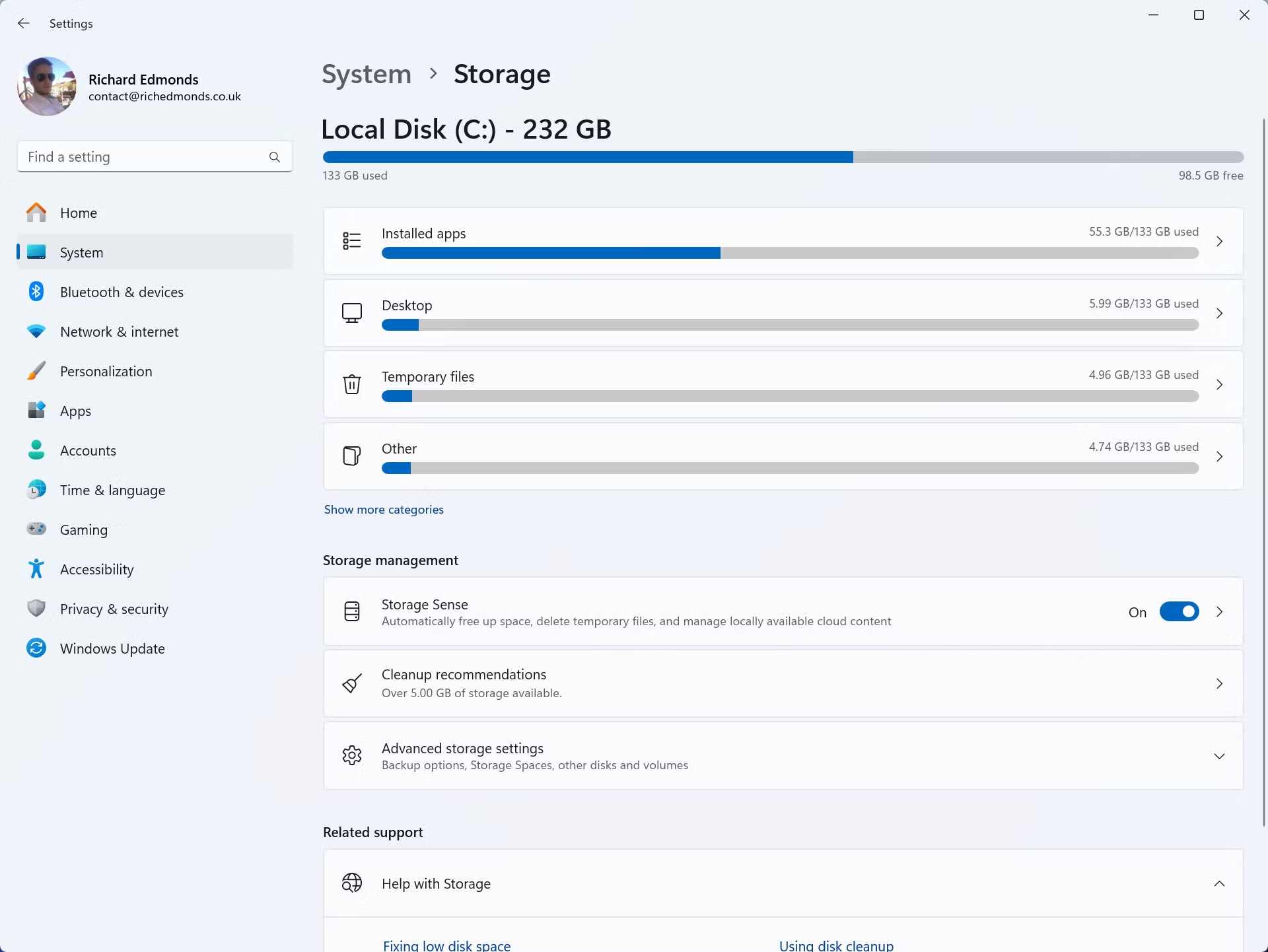
Settings, Storage on any modern Android (12+) gives you the same visibility as a third-party cleaner. The Free up space button surfaces large files, unused apps, and stale downloads, integrated with Google’s recommendation engine.
Zero install, zero permissions, zero ads. Use this first before installing any cleaner app.
- No install required
- Highest trust posture (system app)
- Integrated with Google’s storage recommendations
Where it falls short: UI varies by manufacturer; Galaxy and OnePlus implement it differently from Pixel.
Pricing: Free, bundled.
Quick take
Use the built-in Storage tools first. They are free, safe, and handle 90 percent of what most users want.
If you need more, Files by Google adds free-space management. SD Maid SE is the power-user option.
4. DiskUsage (FOSS)
Best for: Visualizing what is consuming your storage.
Score: 8.0/10.
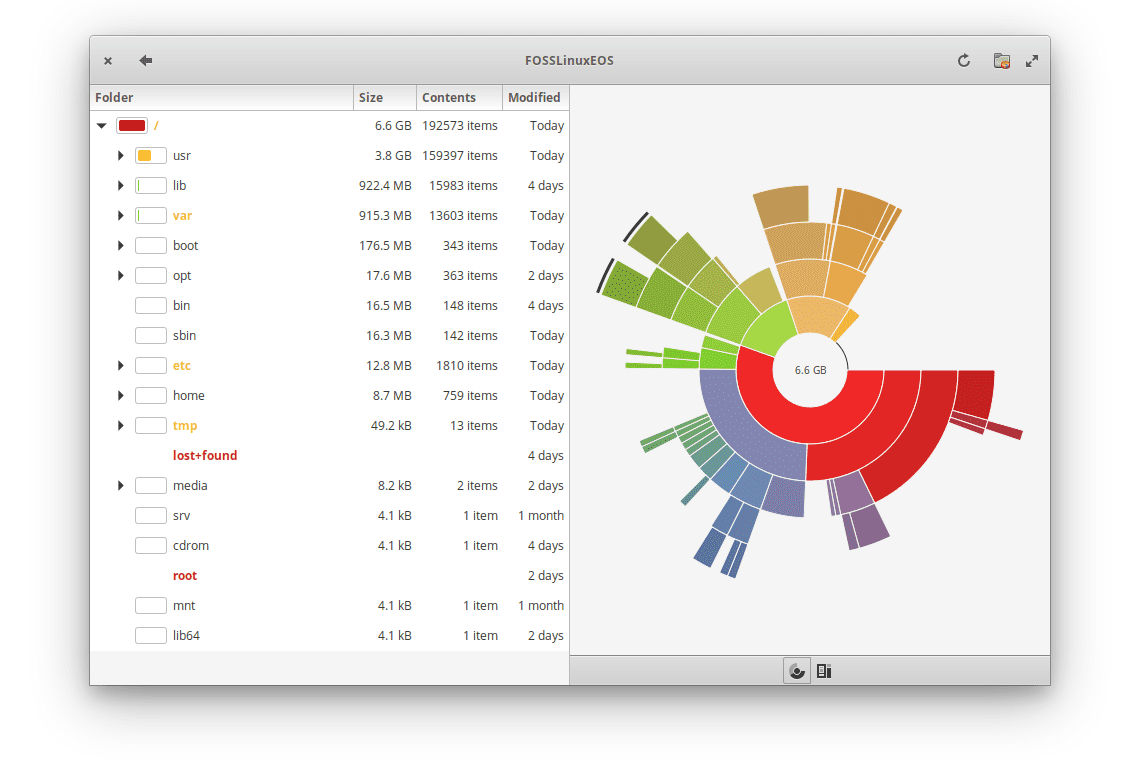
DiskUsage is a long-running F-Droid project that shows your storage as a treemap visualization. You see at a glance which apps and folders are using the most space, useful for hunting down the unexpected 4 GB cache that one game has been quietly accumulating.
It does not clean by itself; you use the visualization to decide what to delete through normal Android settings. That separation is the safer pattern.
- Treemap visualization of storage
- Open-source, no ads, no tracking
- Read-only; cannot do damage
Where it falls short: Does not delete anything itself; you have to act on the information. UI is utilitarian.
Pricing: Free.
5. CCleaner Mobile
Best for: Long-time Windows CCleaner users who want a familiar interface on Android.
Score: 6.4/10.
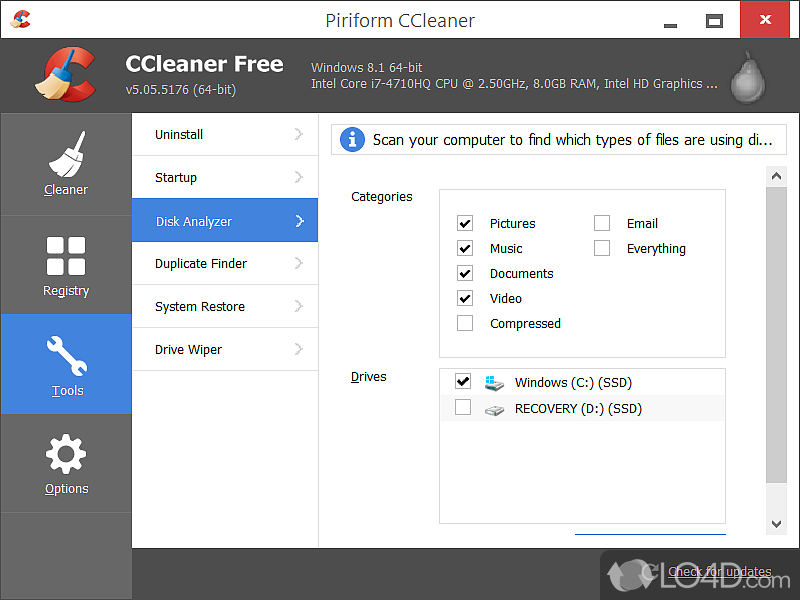
CCleaner is the desktop name. The Android version exists, with the same UI. Effectiveness is modest; modern Android limits what any third-party cleaner can do on system caches. The main feature is a one-tap cleanup that surfaces large files and clears junk system temporary files.
Free with ads. Premium 16.99 USD per year removes ads and adds scheduled scans. Avast (CCleaner’s parent) has a mixed privacy record; their 2020 disclosure about user-data sales tied to Jumpshot is a relevant data point.
- Familiar Windows-CCleaner interface
- Long-standing brand
- One-tap cleanup
Where it falls short: Effectiveness is limited by modern Android sandboxing. Parent company has a history of data-monetization controversy.
Pricing: Free with ads. Premium 16.99 USD per year.
6. AVG Cleaner

Best for: Users who already have AVG Antivirus and want the matching cleaner.
Score: 6.0/10.
AVG Cleaner (by Avast, same parent as CCleaner) is the AVG-branded cleaner. It bundles the same engine as CCleaner Mobile with antivirus-style scanning of installed apps.
Free with intrusive ads. Premium 30 USD per year removes ads and adds a battery optimization mode. Same parent-company privacy considerations as CCleaner.
- Integrated antivirus features
- Familiar AVG brand
Where it falls short: Aggressive ad density on the free tier. Same data-monetization history as CCleaner.
Pricing: Free with ads. Premium 30 USD per year.
7. Norton Clean

Best for: Norton 360 subscribers who want a matching cleaner.
Score: 5.8/10.
Norton Clean is the cleaner add-on to Norton’s antivirus ecosystem. Functionally it does the same job as CCleaner Mobile, with a modest improvement on app-cache scanning.
Norton has a stronger privacy posture than the Avast/AVG group, but the underlying cleaner functionality is comparable. Worth installing only if you are already in the Norton 360 subscription.
- Norton brand trust posture
- Integrates with Norton 360 subscription
Where it falls short: Limited standalone value. Better as part of the broader Norton 360 stack.
Pricing: Free. Standalone Norton 360 from 40 USD per year.
8. Clean Master (avoid)
Best for: Nobody. Listed here for historical reference.
Score: 3.0/10.
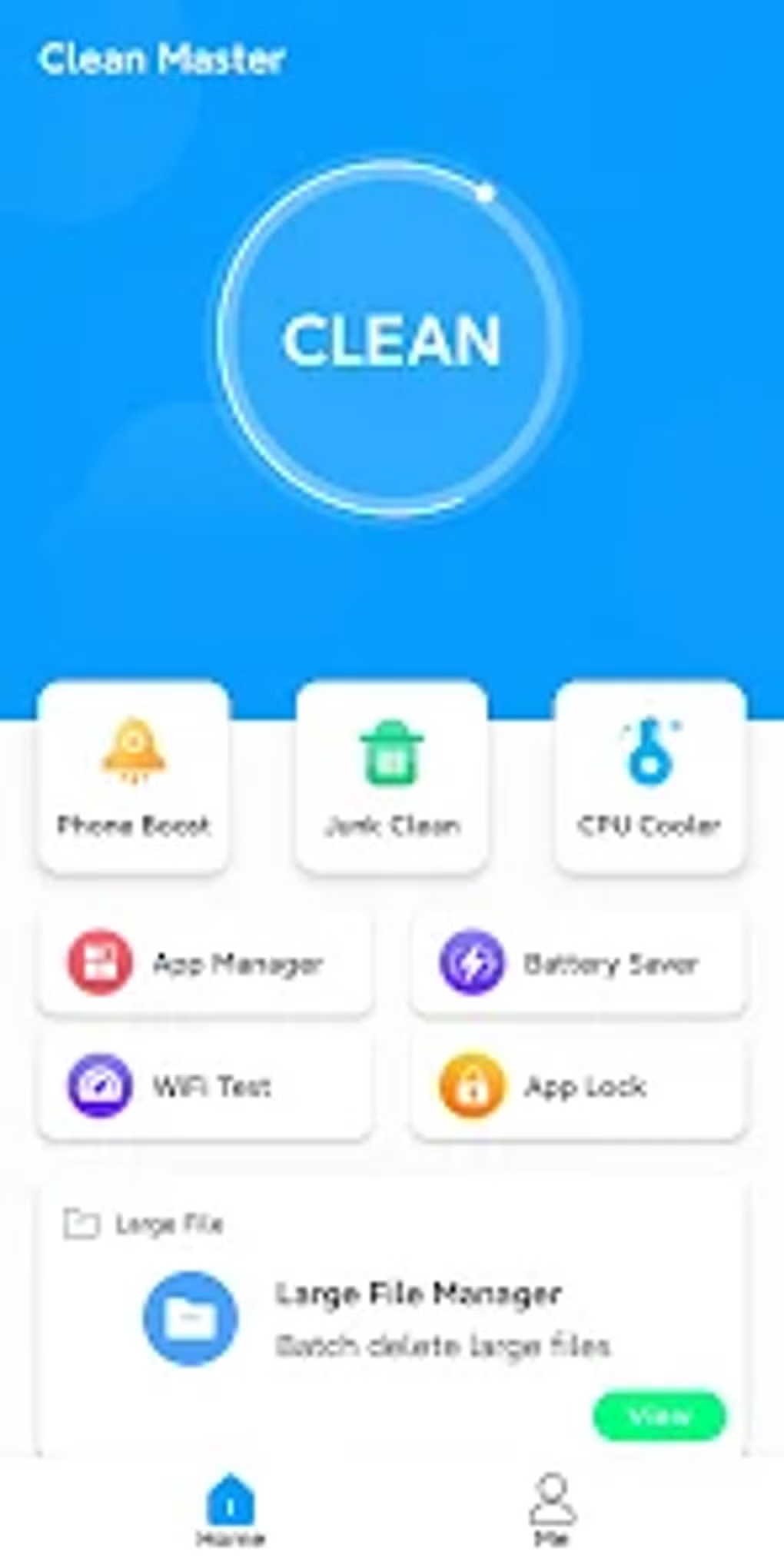
Clean Master was once the most-installed cleaner on Android. The owner (Cheetah Mobile) was removed from the Play Store for click-fraud and a history of aggressive ad SDKs. Reincarnated versions exist on the Play Store under new publisher names.
Do not install. Better-named alternatives exist. The history of the publisher is enough to disqualify any 2026 Clean Master successor.
- None. Historical reference only.
Where it falls short: History of ad fraud and aggressive monetization. Do not install.
Pricing: N/A.
9. ES File Explorer (avoid)
Best for: Nobody. Another historical-reference disqualification.
Score: 2.5/10.
ES File Explorer was the dominant Android file manager from 2012 to 2018. Removed from the Play Store for ad fraud and a history of adware bundling. Reskinned successors continue to surface in casual search.
Files by Google or any of the FOSS file managers (Material Files, Solid Explorer) covers the same use case without the malware risk.
- None. Historical reference only.
Where it falls short: Banned from Play Store for ad fraud. Do not install.
Pricing: N/A.
10. Smart Phone Cleaner Pro
Best for: Users who genuinely want a no-ads paid one-time-purchase cleaner.
Score: 7.2/10.
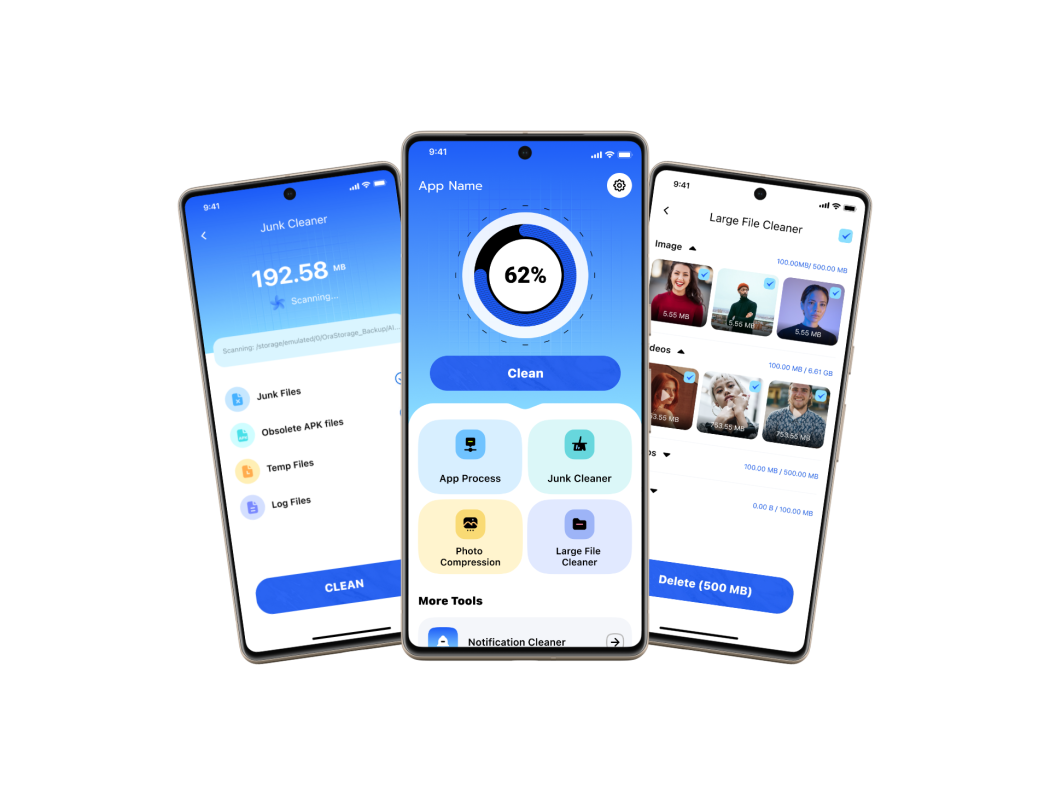
Smart Phone Cleaner Pro is one of the few paid one-time-purchase cleaners on Android. Around 2.99 USD up front, no ads, no IAP, conservative defaults. Effectiveness is similar to CCleaner Mobile.
It is an option for users who want a cleaner but do not want a subscription. The free tier of Files by Google plus the system Storage tools cover the same ground at zero cost.
- Paid one-time purchase, no ads, no subscription
- Conservative defaults
- Modest pricing
Where it falls short: Same effectiveness ceiling as any third-party cleaner. Most users do not need a paid cleaner.
Pricing: 2.99 USD one-time on Play Store.
At a glance
| App | Best for | Open-source? | Pricing | Score |
|---|---|---|---|---|
| SD Maid SE | Power user cleaner | Source-available | Free / $3.99 yr | 9.0 |
| Files by Google | Free-space management | No | Free | 8.9 |
| Built-in Storage | First-line tool | Bundled | Free | 8.6 |
| DiskUsage | Visualize storage use | Yes | Free | 8.0 |
| Smart Cleaner Pro | One-time paid option | No | $2.99 once | 7.2 |
| CCleaner Mobile | Familiar Windows feel | No | Free / $16.99 yr | 6.4 |
| AVG Cleaner | AVG brand familiarity | No | Free / $30 yr | 6.0 |
| Norton Clean | Norton 360 add-on | No | Free / $40 yr bundle | 5.8 |
FAQ
Will a cache cleaner make my phone faster?
On modern Android, almost never. The OS manages its own cache. The placebo of seeing ‘XX MB cleaned’ rarely translates to measurable performance change. Phones with chronic storage pressure benefit from clearing large files, not from clearing in-app caches.
Are the popular Play Store cleaner apps safe to install?
Mixed. The named picks above (Files by Google, SD Maid SE, the built-in tools) are safe. The historically-aggressive cleaners (Clean Master, ES File Explorer) have publisher history that disqualifies them. The Avast/AVG-owned cleaners are functional but carry the parent’s data-monetization history.
Why does my phone keep showing ‘low storage’?
Two common causes: photo and video accumulation in Google Photos that you have not pruned, and one or two apps with chronic cache growth (Spotify, Netflix, Snapchat are the usual suspects). Files by Google’s Clean tab surfaces both in a few taps.
Should I clear my system cache regularly?
No. Modern Android handles system cache. The exception is if you have just installed a major system update and the device is sluggish; clearing the system cache (Settings, Storage, System cache) can help. Even there, a reboot is usually sufficient.
Is there any benefit to a power-user cleaner like SD Maid SE?
Yes, if you frequently install and uninstall apps. SD Maid catches the ‘corpse files’ that uninstalled apps leave behind, which the system cleanup does not consistently catch. For users who install a handful of apps a year and stay there, the value is modest.
The verdict
Most users should not install a cache cleaner app. The system Settings, Storage tools cover the legitimate cleanup needs, and Files by Google adds the rest. Aggressive third-party cleaners are a 2014 solution to a problem modern Android solves natively.
If you genuinely need a cleaner (power user, frequent installer, chronic storage pressure on an older phone), SD Maid SE is the right pick. Avoid the historically-aggressive brands (Clean Master, ES File Explorer reincarnations); their publishers have a track record that should disqualify them.
How we put this guide together
We tested each app for two months on Pixel 8, Galaxy S24, and OnePlus 12. Effectiveness measured by free-space recovery after a one-tap clean and by performance change on a battery of synthetic benchmarks (3DMark Wildlife Extreme, Geekbench 6). Publisher history cross-referenced against Play Store policy actions documented in the Google Play Protect transparency reports.