
In This Article
Mobile gaming used to be a compromise. Low-res, low-stakes, and usually offline, it was where you killed time. But today’s mobile games are engineered differently. They’re sleek, responsive, visually rich, and increasingly indistinguishable from their console cousins. What changed? Everything.
In just over a decade, the smartphone has gone from tool to entertainment hub, and mobile gaming, once a sideshow, is now the main event. Hardware upgrades, edge-to-edge displays, GPU boosts, and 5G bandwidth have converged to create a perfect storm of immersion. Whether you’re strategizing in a war room or spinning the virtual roulette wheel of a casino platform, your phone isn’t just supporting the experience, it is the experience.
And players have noticed.
Frictionless Play, Everywhere
If the early days of mobile gaming were about accessibility, today it’s about quality. But one thing hasn’t changed: players want to start fast and stay engaged. The best mobile games, and platforms, deliver just that.
Download in seconds. Play in moments. That low-friction loop is now a design standard, especially in genres like arcade, puzzle, and casino, where competition is tight and attention is fleeting. The onboarding is smoother, the visuals are sharper, and the cognitive load is lighter. Players aren’t asked to read manuals. They’re nudged, guided, and rewarded fast.
Even casual users have access to rich, responsive ecosystems. Consider the rise of curated hubs where you can explore, filter, and compare platforms (including casino-style ones), all within a few taps. These aren’t just digital storefronts; they’re UX-first funnels that get users from curiosity to play seamlessly.
The takeaway? Make entry feel like entertainment, not effort.
Graphics That Punch Above Their Weight
When Apple introduced Retina displays, mobile gaming crossed a visual threshold. Suddenly, pixelation was passé. Developers had to match that fidelity with equally polished assets, animations, and environments. Now, throw in OLED screens, adaptive refresh rates, and real-time rendering, and you’ve got games that look and move like something far beyond their file size.
That’s not a fluke; it’s design with intent.
Modern mobile games prioritize:
- Clarity: High-contrast environments, clean HUDs, and intuitive visual hierarchies.
- Reward feedback: Particles, flares, vibration cues, even a basic tap can feel kinetic.
- Dynamic lighting and textures: Shadows aren’t static. Water ripples. Skins shimmer.
This is performance art, built for glass.
Gamification Comes Home

Gamification used to be something reserved for health trackers and loyalty cards. But mobile gaming brought it back to its roots and scaled it. Most successful titles now operate less like games and more like ecosystems. They hook players with progress loops, badge systems, unlockable content, and daily check-ins that mirror the logic of social media.
Even games that don’t fall into traditional “levels” offer a sense of progression. Think:
- XP meters that refill incrementally
- Streak counters that build tension
- Customisation trees for avatars or gear
And the more tailored it feels, the more players come back. That’s not just retention; it’s become a ritual.
Personalisation That’s Quietly Smart
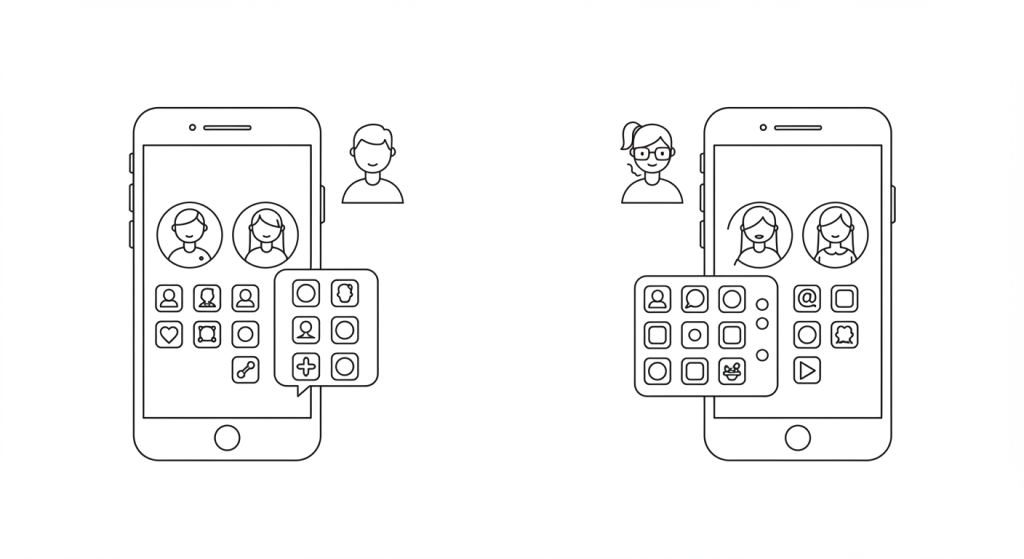
The most sophisticated mobile games don’t blast users with irrelevant promos. They whisper through the interface. You might notice that the first level loads your favorite map. Or that your push notifications arrive at the exact time you usually open the app. That’s no accident.
The tech stack behind mobile gaming now includes advanced analytics, preference modeling, and real-time segmentation. This means:
- Your in-game store might look different than someone else’s.
- Your tutorial could skip the basics if you’ve played a similar title.
- Your default settings may adapt based on past friction (e.g., skipped cutscenes, muted volume).
In other words, the game changes itself to suit you.
App Ecosystems That Blur the Line

Mobile phones didn’t just change the visuals of gaming; they changed its structure. Thanks to tightly integrated apps, players now expect an always-on, cross-platform experience. And developers have responded with systems that feel less like single-player journeys and more like digital lifestyles.
Some of the biggest shifts include:
- Cloud sync: Start on your phone, continue on your tablet.
- Social overlays: Chat, co-op invites, and streams baked into the UI.
- Live events: Games that change daily, even hourly, to feel alive.
This is gaming with a heartbeat. And it’s not limited to RPGs or shooters, even casual formats like word games and idle clickers, are increasingly built with live ops in mind.
Culture, Not Just Content
Mobile gaming isn’t just a genre; it’s a subculture. It shapes memes, fuels streamers, and drives entire Reddit economies. And unlike traditional gaming, it isn’t gated by high costs or technical skill. If you have a smartphone, you’re in.
That accessibility has democratised not just play, but community. Players connect through:
- Tournaments embedded in apps
- Fan art and cosplays emerging from mobile-first IPs
- Review culture that’s fast, raw, and social-media native
It’s gaming that’s designed to be shared.
What Developers and Designers Can Learn

Mobile gaming’s rise isn’t an accident; it’s a masterclass in user-first evolution. From UX to visual polish, the medium has matured without losing its edge.
Here’s what creatives and marketers in any vertical can steal:
1. Reduce cognitive drag
Onboarding should be intuitive. If your user has to think too hard to get started, they’ll drop. Frictionless design = higher retention.
2. Make visuals work double
Your UI should look good, but it should also guide behavior. Use animation to highlight actions. Use feedback loops to reinforce habits.
3. Turn usage into progression
People like to feel like they’re moving forward. Even small milestones, like level-ups or streaks, can boost engagement.
4. Embed personalisation quietly
Personalization doesn’t have to be loud. It can be structural: recommend things based on behavior, not just segments.
5. Build with culture in mind
Games that go viral don’t just look good; they speak the internet’s language. Think memes, not manuals.
Why Mobile Games Are Dominating the Gaming World
Mobile games have taken the world by storm, becoming one of the most popular ways people enjoy entertainment today. They are easy to access, quick to play, and often free or low-cost, which makes them attractive to a wide range of players. Understanding why mobile games are so popular explains their rapid growth and lasting appeal.
- Easy Access: You can play mobile games anytime, anywhere on your phone without extra devices.
- Short Play Sessions: Games are designed for quick bursts of fun, perfect for busy schedules or waiting times.
- Free-to-Play Models: Many games are free to download, letting players try without risk and spend only if they want extra features.
- Constant Updates: Developers regularly add new content and events, keeping players engaged and excited.
- Social Connections: Mobile games often let you play with friends or meet new people, making the experience more fun and social.
- Wide Variety: There’s a game for every taste, from puzzles and strategy to action and storytelling.
Responsible Gameplay
Responsible gameplay is all about maintaining balance and awareness while engaging in betting activities. It’s crucial to prioritize your well-being by staying in control and making decisions that ensure betting remains a fun and safe activity. Here are some key tips to help you stay on track:
- Take Frequent Breaks: If you find yourself constantly thinking about betting or it starts affecting your daily life, it’s time to step away. Being self-aware is essential for making responsible betting choices.
- Only Bet with Money You Can Afford to Lose: Treat your betting money like any other entertainment expense; think of it like money spent on movies or a night out. Never use money that you need for essentials like bills, rent, or food.
- Keep Track of Time: It’s easy to lose track of time while betting online, especially when you’re immersed in the game. Set a timer before you begin to remind yourself when to take a break or wrap up.
- Seek Help When Needed: If you feel that betting might be becoming a problem, don’t hesitate to reach out for support. Friends, family, and professional organizations are available to help you through any struggles you might face.
Final Thoughts: A Different Beast
Mobile gaming isn’t a lesser cousin of console or PC play anymore. It’s its own force: agile, beautiful, and built for a culture that lives in your pocket. And as phones get faster and players get savvier, the ceiling is only getting higher.