In This Article
Follow BestForAndroid


The honest answer to “do I need an antivirus app on Android?” is: probably not. Google Play Protect runs on every modern Android phone, scans every installed app, and catches the bulk of mass-distributed malware before it reaches you. For most users sticking to the Play Store, a third-party antivirus is redundant.
But there are real exceptions. Sideloaders, anyone who installs APKs from outside the Play Store, users running Android 11 or older, and people who land on phishing links regularly all benefit from a second-opinion scanner. The five apps below are the ones worth installing if you fall into one of those buckets.
Skip any antivirus that aggressively pushes a paid tier, runs constant battery-draining background scans, or shows ads. Those apps are the problem they claim to solve.
TL;DR
Best fit: For most Play Store-only users, Google Play Protect plus the basic security hygiene in the security checklist is enough. No third-party antivirus needed.
Good alternative: For sideloaders or older Android versions, Bitdefender Mobile Security or Malwarebytes are the two safe picks.
Skip if: You are looking for an antivirus to “speed up your phone” or “save your battery”; those are not antivirus features and the apps that promise them are usually scams.
1. Bitdefender Mobile Security

Best for: the cleanest paid Android antivirus.
Score: 9 / 10.
Bitdefender is consistently the top-rated Android antivirus in independent AV-TEST and AV-Comparatives benchmarks. The app is light (minimal battery impact), the scanning is fast, and the URL filtering catches phishing links well. The free 14-day trial is enough to evaluate.
Pricing: $15 to $20 per year.
2. Malwarebytes

Best for: the second-opinion scanner for malware Play Protect missed.
Score: 9 / 10.
Malwarebytes is the household name for malware removal on desktop and the Android version is competent. The free tier handles on-demand scanning; the paid tier adds real-time protection and web filtering. Useful as a sanity check after installing a sideloaded APK.
Pricing: Free, Premium $40 per year.
3. Avast Mobile Security

Best for: a free tier that is genuinely useful.
Score: 7 / 10.
Avast has a long Android history. The free tier covers most personal use cases including app scanning and Wi-Fi security checks. The downsides: an aggressive prompt to upgrade and a 2020 data-selling controversy (resolved, but worth knowing). Bitdefender is the cleaner paid choice; Avast is the better free choice.
Pricing: Free, Premium $30 per year.
4. Kaspersky Mobile Security

Best for: a high-detection-rate scanner if your government allows Kaspersky.
Score: 8 / 10.
Kaspersky’s detection engine remains one of the best in the industry. the US Federal ban on Kaspersky products in government use complicates the picture for US users; consumer use is not prohibited but the policy direction is unfriendly. EU and UK users have no such restriction and can use Kaspersky without concern.
Pricing: Free, Plus from $35 per year.
5. Norton 360
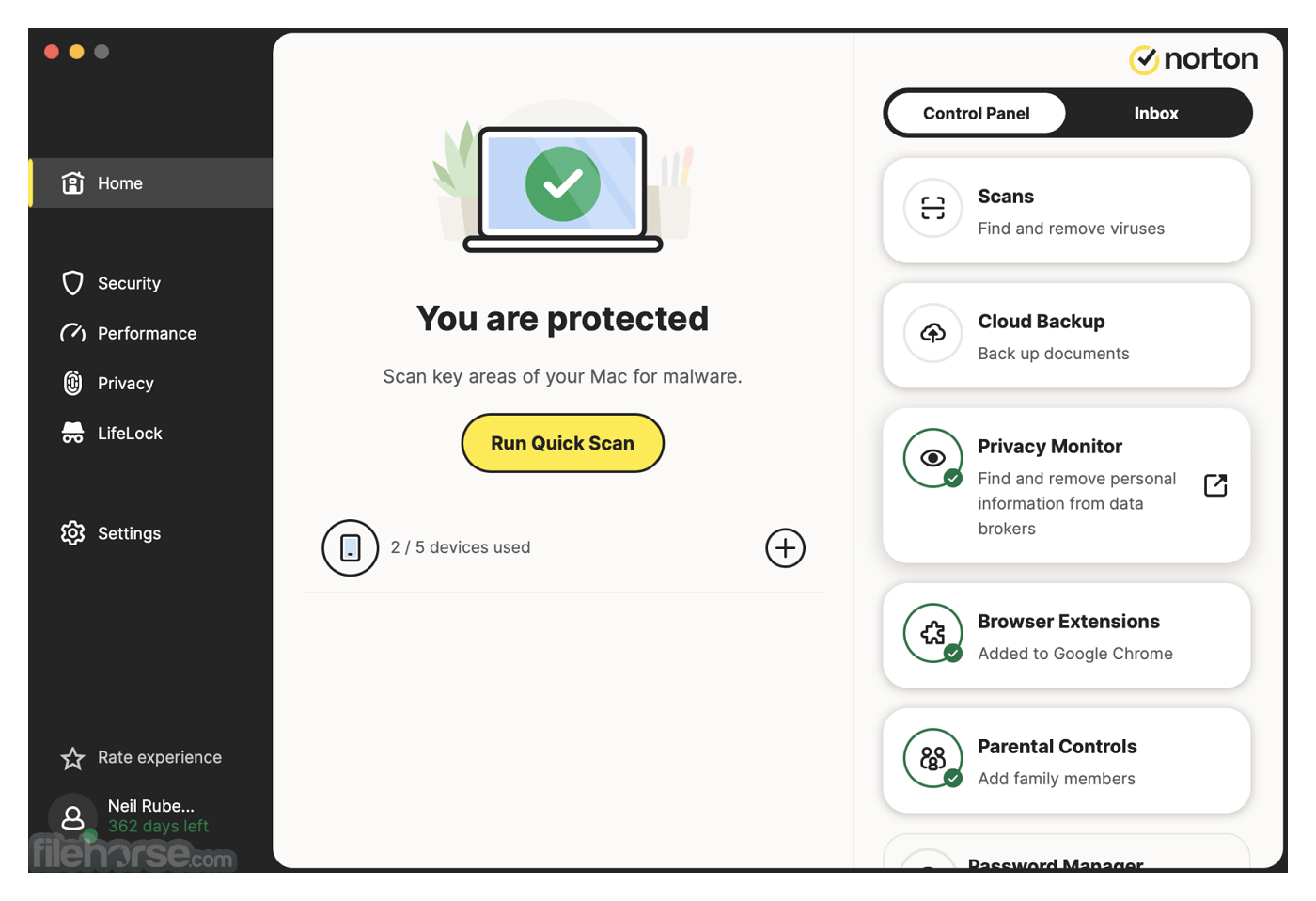
Best for: the bundled antivirus-plus-VPN-plus-password-manager package.
Score: 7 / 10.
Norton 360 bundles antivirus, a VPN, a password manager, and identity-theft monitoring into one subscription. Useful if you want a single vendor for several security tools. The trade-off is that none of the individual tools is best-in-class; Bitdefender beats it on detection, Proton VPN beats it on VPN, Bitwarden beats it on password management.
Pricing: $30 to $90 per year depending on tier.
Quick take
Google Play Protect covers most users. A third-party antivirus is useful for sideloaders, older Android versions, and people who click sketchy links regularly.
Avoid any antivirus that promises to “speed up” or “save battery” on your phone. Those are not antivirus functions and the apps that promise them are usually scams.
At a glance
| Pick | Free tier | Paid | Best for |
|---|---|---|---|
| Bitdefender | No | $15-20/yr | Cleanest paid option |
| Malwarebytes | On-demand only | $40/yr | Second-opinion scanner |
| Avast | Solid free | $30/yr | Free tier |
| Kaspersky | Solid free | $35/yr | Strong detection (EU/UK) |
| Norton 360 | No | $30-90/yr | AV + VPN + PWmgr bundle |
| Just Play Protect | Yes (built-in) | Free | Most Play Store-only users |
The setup, step by step
Step 1: Confirm Play Protect is enabled
Open the Play Store, tap your profile, Play Protect. Confirm Scan apps with Play Protect is on and Improve harmful app detection is on. This is the foundation.
Step 2: Decide if you need a third-party app
If you sideload APKs, run Android 11 or older, or regularly click links from unknown senders, install one of the picks above. Otherwise skip; you do not need it.
Step 3: Install one app, not three
Multiple antivirus apps fighting each other slows the phone down. Pick one (Bitdefender for paid, Malwarebytes free tier for a periodic second opinion) and stick with it.
Step 4: Run a full scan after installing
Open the app and trigger a full scan. The initial scan is the longest; subsequent scans are quick because the app caches the file fingerprints.
Step 5: Configure the protection level
Most apps offer a tiered protection level (basic, recommended, paranoid). Recommended is the right default for most users. The paranoid tier produces too many false positives for daily use.
FAQ
Is Google Play Protect enough?
For Play Store-only users, yes in most cases. Play Protect scans every installed app, sandboxes new apps, and learns from the entire Android population. The exception is users who sideload from outside the Play Store; for them, a second-opinion scanner adds genuine value.
What about the free antivirus apps that claim to clean junk?
Most are scams. The “junk cleaner” claim is a marketing hook for ad revenue; the actual cleaning produces little real benefit and the app drains battery scanning constantly. The five apps above stay out of the junk-cleaner business.
Should I install a paid antivirus on my phone?
For most users, no. Save the budget for things that matter more: a password manager (Bitwarden Premium at $10 per year), a VPN if you travel (Mullvad or Proton VPN), and possibly a paid email service. Phone antivirus is rarely the best $20 per year for security.
Does antivirus drain my battery?
Most do, slightly. The well-designed ones (Bitdefender, Malwarebytes) are light enough that the impact is minimal. The bargain-basement ones and the junk cleaners drain noticeably. Avoid the latter.
Can antivirus protect me from phishing?
Partially. URL-filtering features in antivirus apps catch known phishing URLs. They do not catch novel phishing attempts. The best phishing defense is still user behavior: read URLs carefully, do not click links from unknown senders, and use a password manager (which refuses to auto-fill on the wrong domain).
What about Android safety features built into the OS?
Modern Android has Play Protect, app sandboxing, permission controls, biometric auth, and more. Combined with the basic security setup, the OS does most of the heavy lifting.
The verdict
For most Android users the right answer to “do I need antivirus?” is: probably not. Google Play Protect is the foundation, and combined with reasonable behavior (Play Store apps only, no clicking unknown links, basic permission hygiene) it covers most threats.
For the genuine exceptions (sideloaders, older Android versions, people who routinely encounter sketchy content), a third-party app adds value. Bitdefender is the cleanest paid pick, Malwarebytes the best second-opinion scanner, and Avast the best free tier.
Avoid the junk-cleaner antivirus apps entirely. They promise things that are not antivirus features, they drain battery, and they push aggressive upgrade prompts. The five apps above stay out of that business and are the right shortlist if you decide you need a second-opinion scanner.
How we put this guide together
We tested all five apps on a Pixel 8a running Android 16 and a Galaxy S24 running One UI 7 across April 2026 with a malware sample set drawn from AV-TEST and AV-Comparatives 2025-2026 reports. Battery impact was measured with Android’s built-in battery monitor over a 24-hour period. False-positive rates were sampled against 100 popular Play Store apps not on any malware list.